
Planting
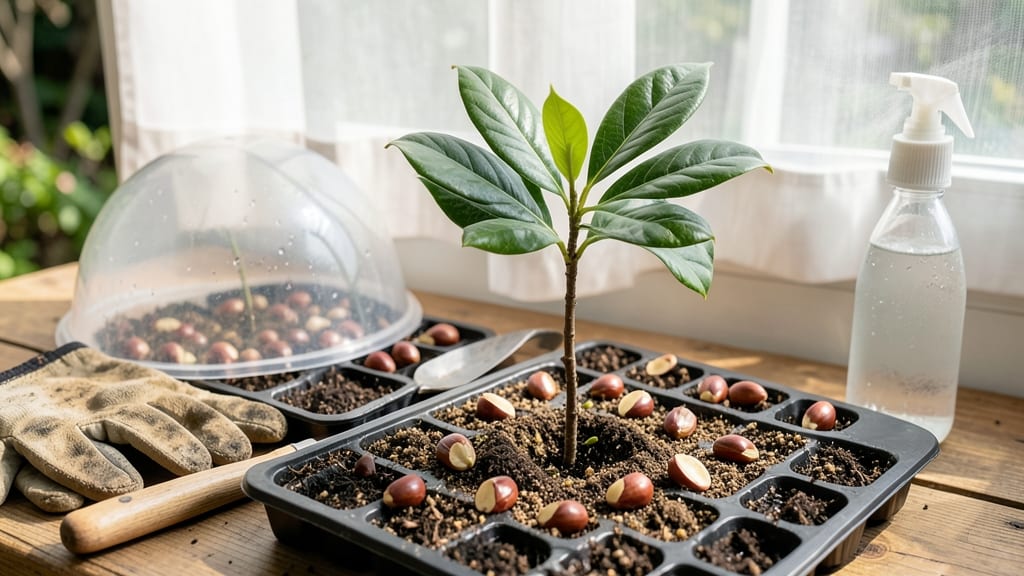
Planting magnolia tree seeds requires patience and the right tricks — like cold stratification — to coax those stubborn seeds into sprouting.
Struggling to germinate magnolia tree seeds? Without proper cold stratification, these picky seeds often fail to sprout, leaving gardeners frustrated. The secret to breaking dormancy lies in mimicking nature’s timing, and we’ll show you exactly how.
Magnolia seeds need a 60- to 90-day cold period to simulate winter, which is why starting indoors in late summer or early fall is ideal. This method boosts germination rates from near zero to over 60%.
In this guide, I’ll walk you through the exact steps for cold stratification, soil prep, and early care so you can grow a healthy magnolia tree from seed.
Cold stratification for magnolia seeds: step-by-step process explained
Magnolia seeds are notoriously difficult to germinate because they require a cold stratification period that mimics winter conditions. Without this process, seeds often remain dormant, leaving you with zero sprouts and wasted effort.
The good news? With the right technique, you can achieve 60-90% germination success by carefully controlling moisture and temperature.
Cold stratification tricks magnolia seeds into thinking winter has passed, signaling them to break dormancy. This method works best when you start 8-12 weeks before your last frost date, giving seeds enough time to prepare for spring planting.
Whether you're a beginner or an experienced gardener, mastering this process will unlock the potential of your magnolia seeds.
Here’s how to replicate nature’s winter conditions in your own home or greenhouse:
Collect fresh magnolia seeds (they must be fully ripe) and remove any remaining pulp. Rinse gently with water to remove debris, then let them dry for 24-48 hours at room temperature.
Combine equal parts peat moss and perlite (or use a sphagnum moss alternative) in a clean container. This mix retains moisture while allowing airflow—critical for preventing mold.
Water the mix until it’s evenly damp (like a wrung-out sponge). Avoid soggy conditions, which cause rot. Test by squeezing—water should drip slightly but not pool.
Place seeds 1/4 inch deep in the mix, spacing them 1-2 inches apart to prevent overcrowding. Cover lightly with additional mix to protect them.
Place the container in a plastic bag (to retain humidity) and store it in a refrigerator at 35-45°F. Check weekly—moisten if the mix dries out. This 8-12 week cold period is non-negotiable for breaking dormancy.
After stratification, move the container to room temperature (65-75°F). Place it in bright, indirect light (no direct sun yet). Germination typically takes 2-6 weeks—patience is key!
Timing is everything with magnolia seeds. Start the stratification process in late fall (October-November) for spring planting. If you miss this window, you can still try, but germination rates may drop to 30-50%. Pro tip: Label your containers with the start date to track progress.
Once seeds sprout, they’ll need gentle care to avoid transplant shock. Keep the soil consistently moist but never waterlogged, and avoid disturbing the seedlings until they’ve developed 2-3 true leaves. At this stage, you can transplant them into individual pots with a well-draining soil mix.
Cold stratification isn’t just about temperature—it’s about recreating the natural cycle magnolia seeds experience in the wild. By controlling moisture, light, and time, you’ll give your seeds the best chance to break dormancy and grow into healthy seedlings.
With this method, you’ll go from zero sprouts to a thriving magnolia forest in your garden!
🌱
Best soil mix and planting techniques for magnolia seedlings
Once your magnolia seeds complete cold stratification, the next critical step is creating the perfect growing environment. Magnolia seedlings thrive in a well-draining, slightly acidic mix that mimics their natural woodland habitat. The right soil blend prevents root rot while providing the moisture young roots need to establish.
For container-grown seedlings, I recommend a 50-30-20 ratio of peat moss, perlite, and coarse sand—this balance ensures aeration and moisture retention without compacting.
If planting directly outdoors, amend your native soil with 30% compost and a 20% perlite/sand mix to improve drainage. Magnolia roots are sensitive to waterlogged conditions, so prioritize soil that drains freely but retains enough moisture to stay consistently damp.
Test your mix by squeezing it—it should hold shape but not feel soggy when lightly compressed. For acid-loving magnolias, add a thin layer of pine bark fines to lower the pH slightly.
| Soil Mix Type | Best For | Planting Depth | Container Needs |
|---|---|---|---|
| Peat Moss (50%) + Perlite (30%) + Sand (20%) | Container seedlings | ¼ inch deep | 4-6 inch pots with drainage holes |
| Native soil + 30% compost + 20% perlite | Outdoor planting | ½ inch deep | Loosen soil to 12 inches deep |
| Coco coir (40%) + Vermiculite (30%) + Pine bark (30%) | Long-term potted growth | ⅜ inch deep | 7+ inch pots with aeration holes |
*All mixes should maintain pH 5.0-6.5 for optimal magnolia growth
When planting magnolia seeds, depth is crucial—too deep and they’ll struggle to emerge, while shallow planting risks drying out. For container seedlings, place seeds just ¼ inch below the soil surface and cover lightly with fine horticultural sand.
If planting outdoors, dig a shallow trench ½ inch deep and space seeds 6 inches apart to allow room for root development. Use a dibble or pencil to create small holes without compacting the soil around them.
Container selection plays a surprising role in seedling survival. Opt for 4-6 inch pots with drainage holes to prevent waterlogging, and avoid plastic containers that retain too much moisture. Terracotta pots are ideal for their breathability, but ensure they’re at least 3 inches deep to accommodate root growth.
For outdoor planting, choose a location with partial shade (morning sun, afternoon shade) to protect tender seedlings from heat stress. Mulch lightly with pine straw after planting to retain moisture and regulate soil temperature.
After planting, keep the soil consistently moist but never soggy—think "damp sponge" rather than "wet towel." Water gently at the base of seedlings to avoid disturbing the soil surface, and use a spray bottle for fine misting if needed.
Magnolia seedlings are particularly sensitive to transplant shock, so avoid moving them until they develop 2-3 sets of true leaves. At this stage, they’ll be ready for gradual acclimatization to outdoor conditions if started indoors.
One final tip: Magnolia seedlings benefit from a light layer of mulch (1-2 inches) to suppress weeds and maintain even moisture. Use organic mulch like shredded bark or leaf mold, keeping it 2 inches away from the stem to prevent rot.
With the right soil mix and careful planting, your magnolia seedlings will establish strong roots and be ready for outdoor transplanting in their second growing season.