
Container Gardens
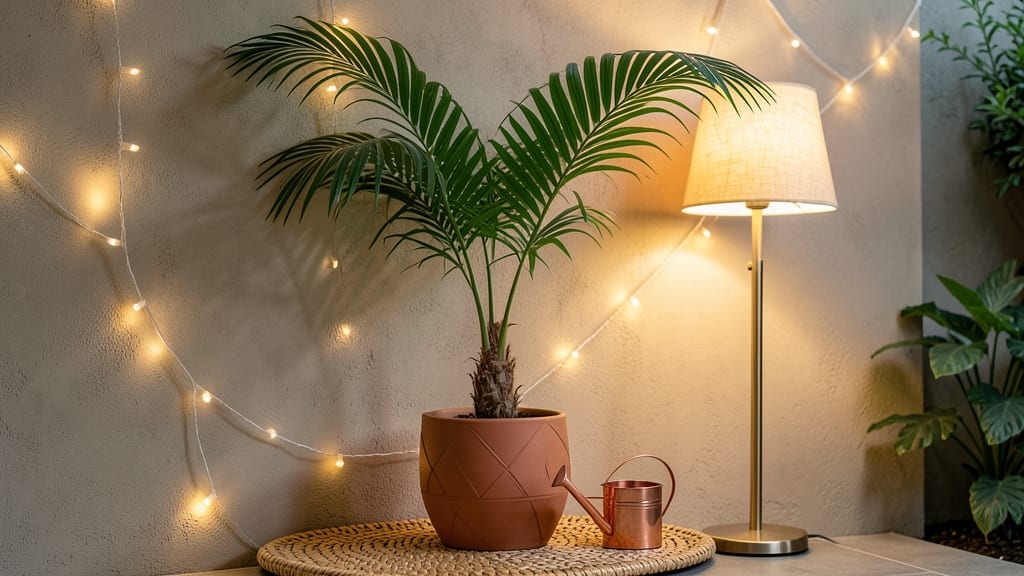
Transform your living space into a sunlit oasis with indoor palm tree lights—where lush foliage meets soft, twinkling glow. 🌿 I’ve spent years perfecting the balance between plant health and ambiance, and this setup turns any room into a tropical retreat without sacrificing your palm’s well-being.
The key? Choosing lights that mimic natural light while adding warmth, so your plant thrives and your space sparkles.
You’ll need a low-wattage LED grow light (or fairy lights) that won’t scorch leaves, a dimmable fixture for flexibility, and a palm that tolerates indirect light—like a bamboo or parlor palm.
Position lights 12–18 inches away to avoid heat stress, and use warm white or soft yellow tones to enhance the tropical vibe without overwhelming the space. Think of it as layering light: bright enough for growth, cozy enough for evening ambiance.
The result? A vibrant, low-maintenance centerpiece that feels alive after dark. Your palm’s fronds will stay vibrant, and the gentle glow creates a serene atmosphere—perfect for living rooms, bedrooms, or even office spaces.
The best part? You can adjust the setup as your plant grows, ensuring both beauty and health stay in harmony.
Works for renters, small spaces, or anyone craving a touch of the tropics without the upkeep of a full garden. Here’s how to make it work seamlessly in your home—no green thumb required.
📚 In This Guide
- What you need
- Instructions
- Tips and common mistakes
- Wrapping up and next steps
What you need
- ● Indoor palm tree (dwarf varieties like Areca palm or Parlor palm work best—ensure it’s healthy and fits your container).
- ● Light string (LED, battery-operated, or plug-in; 16-20 feet of 18-24 gauge for even distribution).
- ○ Small LED tea lights or fairy lights (optional but highly recommended for extra sparkle—choose waterproof if using near foliage).
- ● Wire cutters (for trimming light strings to size).
- ● Scissors or pruning shears (to gently separate palm fronds for light placement).
- ● Non-toxic, clear fishing line or floral wire (1-2 yards; 18-20 gauge for secure ties).
- ● Hot glue gun + glue sticks (for securing lights without damaging leaves).
- ● Spray bottle with water (to mist leaves and prevent browning from heat).
- ● Power source (battery pack, outlet, or solar charger—depending on your light type).
- ● Glitter or bioluminescent paint (for a galaxy-effect on leaves—use sparingly!).
- ● Mini clip-on lights (battery-operated, waterproof clips for extra ambiance).
- ● Decorative container (a glowing planter or hanging basket for a showstopper display).
- ● Timer plug (to automate lighting for a sunset-to-midnight glow).
Step-by-Step guide to creating an indoor palm tree light display
Transform your space into a lush tropical retreat with this easy, twinkling palm tree light setup.
🪴 Step 1: Gather Your Lighting and Palm Materials
Start with a medium to large indoor palm tree—the taller the better for dramatic lighting effects. Choose fairy lights (warm white or soft yellow) for a cozy glow, or LED string lights for brighter illumination. You'll also need lightweight wire or fishing line to suspend the lights without damaging the foliage, plus battery-operated clips or small hooks to secure them.
I like to use 100-150 small fairy lights for a full palm, wrapping them loosely around the trunk and draping strands through the fronds. Test the lights first to ensure all bulbs work—nothing ruins the vibe like a dead bulb mid-display. If your palm is in a pot, place a small LED tea light at its base for extra ambiance.
☀️ Step 2: Position Lights for Even, Natural-Looking Coverage
Begin by wrapping one strand of lights around the palm's trunk, spacing bulbs 4-6 inches apart for a balanced glow. Gently weave additional strands through the fronds, avoiding dense clusters that can overpower the plant's natural beauty. Use wire or fishing line to suspend lights from higher branches—this creates a cascading effect that mimics dappled sunlight.
For a multi-level look, drape some lights horizontally across the top fronds while leaving others to dangle vertically. The goal is to mimic how sunlight filters through palm leaves in a jungle canopy. Avoid tangling the lights too tightly—palm fronds are delicate, and you don’t want to snap them while arranging. If a frond resists, gently bend it back into place after securing the lights.
💧 Step 3: Secure Lights Without Damaging the Plant
Use battery-operated clips or small hooks to attach lights to the palm’s trunk and larger fronds. For delicate leaves, wrap the wire around the midrib (the central vein) of a frond and tuck the light bulb into the crevice where the frond meets the stem. This keeps the lights hidden but still illuminates the foliage beautifully.
If your palm is in a hanging basket, loop the lights around the edges of the pot first, then weave them through the fronds. For a floor-standing palm, anchor the lights at the base with a small suction cup or heavy-duty tape (avoid adhesive that could damage the pot). Always double-check that no lights are touching the leaves—heat from bulbs can scorch the foliage over time.
⏰ Step 4: Test and Adjust for the Perfect Glow
Turn on the lights and step back to assess the effect. If the display looks too bright, space the bulbs farther apart or use dimmer string lights. For a softer look, layer two strands—one closer to the trunk and one near the outer fronds—to create depth. Adjust the wire or fishing line so lights hang at varying lengths, mimicking natural light play.
Run the lights for 30 minutes to check for any hot spots or bulbs that overheat. If you notice a frond wilting or browning near a light, reposition it immediately. The ideal setup should look like sunlight filtering through the leaves—not like a holiday light overload. For extra safety, plug in battery-operated lights so you’re not dealing with cords.
🌿 Step 5: Maintain and Refresh the Display Seasonally
Check the lights weekly for any bulbs that flicker or burn out—replace them promptly to keep the display consistent. Every 3-4 months, gently remove the lights, wipe down the palm’s leaves with a damp microfiber cloth, and re-position the strands for even coverage. Palms grow, so what looked perfect in summer may need adjustments by winter.
For a year-round tropical vibe, swap out warm white lights for cool white in summer and amber in winter to match seasonal lighting trends. If your palm outgrows its pot, upgrade to a larger container and redo the light arrangement to accommodate its new shape. The key is to keep the display low-maintenance but visually striking—so you enjoy the glow without the hassle.
Tips & tricks for perfect indoor palm tree lighting
Here's what nobody tells you about creating that dreamy, tropical glow—without sacrificing your palm's health or your sanity.
Light Placement Strategy: In Step 2, when you're spacing those bulbs 4-6 inches apart, think about the palm's natural light patterns. Place slightly more lights on the outer fronds where sunlight would naturally hit first, then taper off toward the center. This creates that magical dappled light effect you see in tropical photos. For extra drama, leave a few bulbs uncovered—this mimics sunlight filtering through leaves and makes the display look more organic.
Heat Safety First: That 30-minute test run in Step 4 isn't just about checking for dead bulbs—it's your chance to catch heat issues before they damage your plant. I've seen fronds brown from lights that were too close, and it's devastating. If you notice any wilting during this test, immediately reposition those lights at least 2 inches farther away from the fronds. Remember, palm leaves are delicate—they can't handle the same heat as artificial materials.
Seasonal Color Swap: The instructions mention swapping light colors seasonally, but here's the pro move: keep a small inventory of different colored lights (think soft blues for summer evenings, warm golds for winter). Store them with your holiday decorations so you can easily swap them out whenever you want to refresh the look. This little detail makes your display feel more intentional and seasonal without requiring major rearrangements.
Maintenance Hack: When you're doing that 3-4 month refresh in Step 5, turn it into a spa day for your palm. While you're wiping down the leaves, give them a gentle misting with room-temperature water. This helps remove dust from the lights too—just be careful not to get water on the bulbs themselves. I also keep a small container of rubbing alcohol nearby to quickly clean any sticky residue from the leaves where lights have been rubbing.
Pro Tips for Indoor Palm Tree With Lights
- Here's what nobody tells you about creating that dreamy, tropical glow—without sacrificing your palm's health or your sanity.
- Light Placement Strategy: In Step 2, when you're spacing those bulbs 4-6 inches apart, think about the palm's natural light patterns.
- Heat Safety First: That 30-minute test run in Step 4 isn't just about checking for dead bulbs—it's your chance to catch heat issues before they damage your plant.
Frequently asked questions
How do I keep my indoor palm tree alive with lights?
Balance is key! Use low-voltage LED lights (not incandescent) to avoid overheating roots. Place lights at least 6–12 inches away from the foliage and limit exposure to 4–6 hours daily. Monitor for browning leaves—if they appear crispy, reduce light time or distance. Pro tip: Rotate the pot occasionally for even growth!
Can I leave the lights on overnight?
Not ideal! Most indoor palms thrive on a 12-hour light cycle (like natural daylight). Leaving lights on 24/7 can stress the plant, causing yellowing or stunted growth. Use a timer plug (under $10) to automate on/off cycles, or stick to daytime lighting for best results.
What’s the best type of light for an indoor palm tree?
Opt for soft, warm-white LED string lights (2700–3000K) to mimic sunset glow without harming leaves. Avoid cool blue or harsh white LEDs, which can bleach foliage. For extra safety, choose waterproof or shatterproof bulbs if draping near moisture (like a humid bathroom). Battery-operated fairy lights are also a great portable option!
What if my palm tree looks sad after adding lights?
Don’t panic! Overlighting or poor placement can cause stress. Troubleshoot with these fixes:
- Check leaf temperature: If they feel warm to the touch, move lights farther away.
- Increase humidity: Mist leaves or use a pebble tray to combat dry air.
- Trim damaged fronds: Snip brown tips with clean scissors to encourage new growth.
Are there alternatives to string lights for a glowing palm?
Try these creative (and safe) glow-ups:
- LED tea lights: Place under the pot for a subtle uplight effect.
- Glow-in-the-dark paint: Lightly coat the pot or frame with non-toxic paint for a magical nighttime shimmer.
- Fiber optic stars: Weave them through the fronds for a starry, ethereal look (secure gently with twine!).
Wrapping up and next steps
Transforming your space with an indoor palm tree with lights is easier than you think—and the results are pure magic! 🌿✨ Whether you’re a seasoned plant parent or a beginner, these twinkling tropical vibes will elevate any room into a cozy, dreamy retreat.
The key? Patience, creativity, and a little bit of sparkle.
Now that you’re armed with the perfect materials and answers to common questions, it’s time to take action. Gather your supplies, follow your creative vision, and let your indoor oasis glow! Ready to make your space shine? Start crafting your illuminated palm paradise today!