
Pests
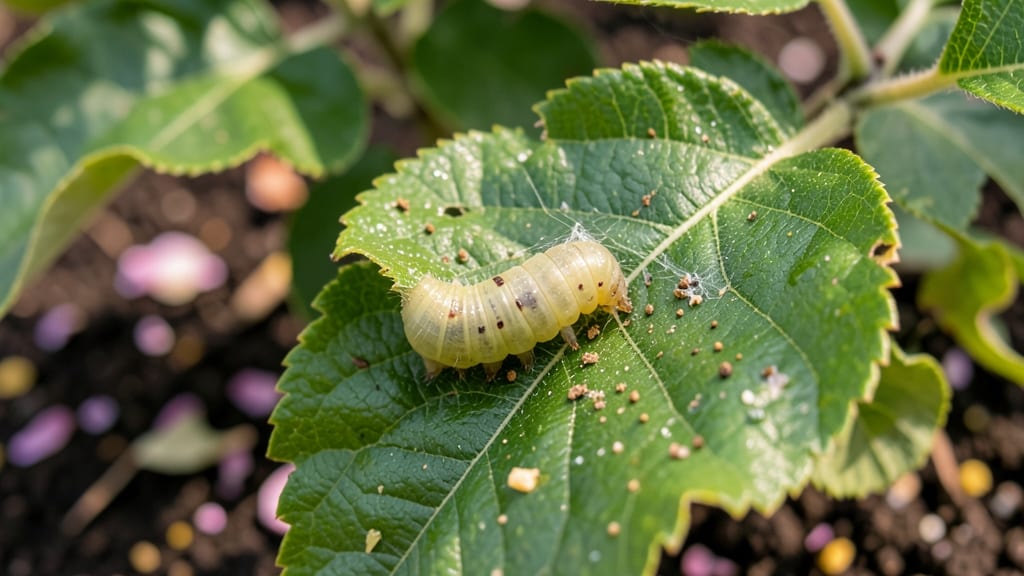
When insects on apple tree leaves turn your harvest into a pest battleground, fast action is your best defense. 🌿 I’ve battled aphid swarms, spider mite webs, and leafhopper scars—each one stealing nutrients that could’ve fed your fruit. The good news?
Natural sprays work faster than you’d expect if you know which pests you’re dealing with and how to target them. Most infestations start small—tiny specks on leaves, sticky residue, or chewed edges—but ignoring them lets problems explode.
Aphids cluster like cottony blobs, spider mites spin fine webs, and leafhoppers leave behind yellow stippling. Identifying them early means you can stop them before they ruin your crop, often in under a week with the right approach.
The key is a layered strategy: soapy water sprays for soft-bodied pests, neem oil for systemic control, and beneficial insects like ladybugs to keep populations in check. I’ve seen trees go from skeletonized leaves to lush green foliage in just 10 days using these methods—no harsh chemicals needed.
Season matters too. Early spring calls for preventive sprays, while summer outbreaks need immediate action. If your tree looks like a buffet for pests, don’t wait—act fast, and your apples will thank you.
Root Causes of Leaf Invaders
When you spot tiny critters munching on your apple tree’s leaves, it’s rarely a random act—these insects are drawn by specific conditions that make your tree look like an all-you-can-eat buffet.
Understanding why they’re there is the first step to kicking them out for good. Below, we break down the most common triggers, from environmental cues to tree health red flags.
A healthy apple tree’s natural defenses—like thick waxy leaves, strong bark, and even the scent of its own sap—can repel pests. But when those defenses falter, insects move in like uninvited guests at a dinner party. Here’s what weakens your tree:
- Nutrient Deficiencies:
Lack of essential nutrients (especially nitrogen, phosphorus, or potassium) makes leaves softer and more palatable. Signs: Yellowing leaves, stunted growth, or leaves that feel thin or brittle to the touch.
- Water Stress:
Overwatering or drought creates ideal conditions for sap-sucking insects like aphids and mites. Why? Stressed trees produce more sugary sap—a liquid goldmine for pests.
- Physical Damage:
Broken branches, cracked bark, or wounds from pruning create entry points for boring insects (e.g., apple maggots) and attract predators like ants that “farm” aphids for their honeydew.
💡 Pro Tip: Conduct a quick “tree checkup” by inspecting leaves for discoloration or wilting. If your tree looks tired, it’s time to fertilize or adjust your watering routine before pests arrive.
Insects don’t just show up—they’re lured by your tree’s microclimate. Apple trees, with their broad canopies and juicy leaves, are like five-star hotels for pests. Here’s what makes your tree their favorite hangout:
| Factor | How It Attracts Pests | Actionable Fix |
|---|---|---|
| 🌡️ Warm, Sheltered Spots | South-facing branches or dense foliage trap heat, speeding up insect reproduction (e.g., codling moths lay eggs faster in warm pockets). | Thin out overgrown branches to improve airflow and sunlight exposure. |
| 💧 High Humidity | Moisture-loving pests like mites and scale thrive in shady, damp areas. Apple trees in low-lying spots or near irrigation systems are prime targets. | Space trees 10–15 feet apart and avoid overhead watering. |
| 🍂 Fallen Debris | Leaves, fruit, or wood chips near the base provide shelter for overwintering pests (e.g., woolly aphids) and their eggs. | Clear a 3-foot radius around the trunk and mulch with clean, dry straw. |
✨ Key Insight: Pests often move in during spring or early summer when temperatures hit their sweet spot (60–80°F). Monitor your tree during these windows for early signs of infestation.
Many apple tree pests have synchronized life cycles tied to your tree’s growth stages. If you’re not aware of their schedules, you might miss the critical window to intervene:
- Early Season (Spring):
Overwintering eggs hatch as buds swell. Example: Apple maggots emerge when leaves unfurl, while aphids colonize new shoots. Action: Apply preventive sprays before buds break.
- Mid-Season (Summer):
Pests like Japanese beetles and tent caterpillars target mature leaves and fruit. Why now? Your tree is at peak nutritional value, and insects are reproducing rapidly.
- Late Season (Fall):
Some pests (e.g., scale insects) lay eggs on branches to survive winter. Others, like leafrollers, mummify fruit to protect their larvae.
📅 Calendar Hack: Use a local pest emergence guide to time your interventions. For example, in most regions, late May to June is prime time for codling moths—set up pheromone traps now.
Your apple tree isn’t an island—pests don’t respect property lines. If nearby trees, gardens, or even wild plants host the same insects, your tree will get caught in the crossfire:
- Wild or Abandoned Trees:
Untended apple, crabapple, or hawthorn trees act as pest reservoirs. Example: Codling moths can fly up to 1.5 miles to find a host.
- Companion Plants:
Some plants attract beneficial predators (e.g., ladybugs), while others attract pests. Avoid planting: Dill, fennel, or yarrow near your tree—they lure aphids and whiteflies.
- Urban or Agricultural Drift:
Pesticides used on neighboring farms or lawns can kill natural predators, creating a vacuum effect that sucks in more pests to your tree.
🎯 Strategic Move: If you’re in a rural area, check with local orchards or extension offices about regional pest outbreaks. In cities, isolate your tree by removing nearby weeds and monitoring for “spillover” pests.
Simple Fixes for Apple Tree Pests
Discovering insects on your apple tree leaves can feel like a frustrating setback, but with the right approach, you can restore your tree’s health—naturally and effectively.
Below, we break down targeted solutions based on the most common culprits, from aphids to mites, along with proactive steps to keep your tree thriving. No harsh chemicals required!
If tiny clusters of aphids or scale insects are sucking sap from leaves, act fast with these low-impact methods:
💦 Spray with Soapy Water (Best for Early Infestations)
Mix 1 tablespoon of mild liquid soap (like Castile soap) or 1 teaspoon of horticultural oil with 1 quart of water. Spray the solution directly onto the pests on a calm day to avoid damaging leaves. Reapply every 3–5 days until the infestation clears.
🌿 Introduce Beneficial Insects (Long-Term Defense)
Ladybugs, lacewings, and parasitic wasps are natural aphid predators. Purchase them online or from garden centers and release them in the early morning or evening when temperatures are mild. Pro tip: Plant dill, fennel, or yarrow nearby to attract these helpful bugs!
🍎 Prune & Dispose of Heavily Infested Leaves
Cut off and bag (not compost) severely damaged leaves or branches to prevent the spread. Focus on new growth where aphids love to hide. ✨ Bonus: Prune in late winter to reduce next year’s risk!
Tiny spider mites thrive in dry conditions, leaving stippled leaves and fine webbing. Combat them with:
🌧️ Increase Humidity Around the Tree
Mites hate moisture! Use a hose to mist the tree’s foliage daily during dry spells, or place a shallow tray of water near the base to boost humidity. 💡 Pro tip: Mulch with straw or wood chips to retain soil moisture.
🛢️ Apply Neem Oil (Organic Miticide)
Mix 1 tablespoon of neem oil + 1 teaspoon of soap with 1 quart of water. Spray the undersides of leaves (mites love hiding there!) every 5–7 days until the webbing disappears. ⚠️ Warning: Avoid spraying in direct sunlight to prevent leaf burn.
🧼 Use a Strong Water Blast (For Heavy Infestations)
On a windless day, use a garden hose with a nozzle to blast mites off leaves. This works best for moderate infestations and is safest for the tree.
If your tree is under siege by silken tents or chewing caterpillars, these methods will help:
🪢 Remove Tents by Hand (Best in Early Stages)
Wear gloves and carefully prune out tents with scissors, then drop them into soapy water to kill the larvae. Repeat every 2–3 days until tents are gone. 🔥 Hot tip: Do this in the morning when caterpillars are sluggish!
🕸️ Hang Pheromone Traps (Prevent Future Outbreaks)
Place tent caterpillar traps (available at garden stores) in the tree before spring. The traps disrupt mating, reducing next year’s infestation. 🎯 Pro tip: Check traps weekly and replace if damaged.
🍎 Apply Bacillus Thuringiensis (BT) (Safe for Pollinators)
This organic bacteria-based spray targets caterpillars’ digestive systems. Mix 1 teaspoon of BT powder with 1 quart of water and spray directly on tents or affected leaves. Reapply after rain or every 7–10 days.
An ounce of prevention is worth a pound of cure! Use these year-round strategies to minimize future infestations:
🌱 Maintain Tree Health (Strong Trees Resist Pests)
- Water deeply 1–2 times per week (avoid overhead sprinkling).
- Fertilize in early spring with compost or balanced organic fertilizer.
- Thin fruit to reduce stress on the tree (overloaded branches attract pests).
🕵️ Monitor Regularly (Catch Problems Early)
- Inspect leaves weekly for signs of pests (holes, webbing, sticky residue).
- Shake branches over a white sheet to spot hidden bugs.
🌿 Encourage Natural Predators
- Plant native flowers (like alyssum or marigolds) to attract ladybugs and bees.
- Avoid broad-spectrum pesticides, which harm beneficial insects.
🍎 Clean Up Debris (Break Pest Life Cycles)
- Rake and remove fallen leaves in autumn (many pests overwinter there).
- Store harvested apples in a cool, dry place to prevent stored-pest infestations.
With these practical, chemical-free solutions, your apple tree can bounce back faster than you think. Start with the method that matches your pest problem, and soon you’ll be enjoying healthy leaves—and delicious apples! 🍏🌿
Frequently asked questions
What are the most common insects I’ll find on apple tree leaves?
You’ll likely spot aphids (tiny green/black clusters), spider mites (tiny red/yellow dots with webbing), leafhoppers (tiny jumping insects leaving yellow spots), or tent caterpillars (silken tents on branches). Early identification is key—check leaves weekly for these signs.
Can I use store-bought insecticidal soap on my apple tree?
Yes, but choose a horticultural oil-based soap (like Safer® or Dr. Bronner’s) and apply it early in the morning to avoid harming bees. Reapply every 3–5 days for soft-bodied pests like aphids or mites. Always test a small branch first!
How do I know if my apple tree’s damage is from insects or disease?
Insect damage usually shows as holes, chewed edges, or sticky residue (honeydew), while diseases cause yellowing, spots, or powdery coatings. Look for live bugs or webbing—if you see those, it’s pests. For diseases, check for fungal growth or discoloration patterns.
Will neem oil harm my apple tree if I use it too often?
Neem oil is safe when used correctly, but apply it no more than every 7–10 days and avoid spraying in direct sunlight (it can cause leaf burn). Dilute it properly (1 tbsp per quart of water) and focus on undersides of leaves where pests hide.
When should I call a professional instead of treating myself?
If your tree has severe defoliation (50%+ leaf loss), visible borer holes in branches, or persistent infestations despite treatments, it’s time to call an arborist. These signs often mean advanced damage that requires expert intervention.