
Trees
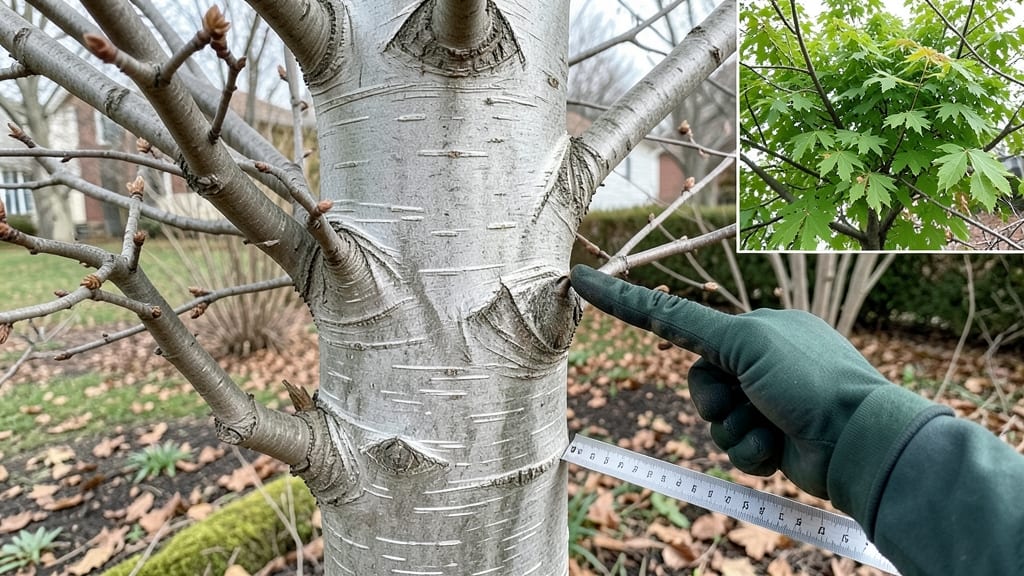
A leafless tree in winter isn’t necessarily dead—is a tree dead if it has no leaves? It’s just waiting for spring. 🌲 I’ve seen gardeners panic over bare branches only to find vibrant leaves returning come April.
The real question isn’t whether it’s dead, but why it’s bare—and how to tell if it’s dormant or in trouble.
Seasonal dormancy is normal, but stress from drought, disease, or pests can also strip leaves. The key difference? A healthy dormant tree has firm, greenish-brown bark underneath, while a dying one often shows cracked, peeling, or blackened bark. Test branches too—if they snap dry, the tree’s struggling.
By early spring, you’ll know for sure: new buds mean life, while persistent bare branches signal decline. Even if it’s dead, you can still learn from it—like how to protect your other trees from the same fate next winter.
Whether you’re dealing with a beloved oak or a young sapling, these signs help you act fast. Let’s figure out what your tree really needs.
Natural Triggers Behind Leaf Loss
When a tree sheds its leaves, it’s rarely a sign of immediate doom—unless you know the why behind it. Understanding the root causes (literally!) helps distinguish between a tree taking a seasonal break and one in distress. Here’s what’s really going on when foliage disappears:
Many trees, especially deciduous species like oaks, maples, and birches, drop leaves annually as part of a survival strategy. This isn’t laziness—it’s biology.
- Photosynthesis slowdown: As temperatures drop, chlorophyll production (the green pigment that fuels photosynthesis) declines. The tree recycles nutrients from leaves back into its roots and trunk, storing them for spring. This process is triggered by shorter daylight hours and cooler temps, not just cold alone.
- The abscission layer forms: A specialized layer of cells (the abscission zone) develops at the leaf stem. Enzymes weaken this zone, causing leaves to detach cleanly—like a natural pruning. No leaves = no frost damage to vulnerable foliage.
- Evergreens vs. deciduous: While pines and spruces keep their needles year-round (thanks to waxy coatings that resist freezing), deciduous trees sacrifice leaves to conserve water and energy during winter’s dormancy.
💡 Pro Tip: If the tree’s buds are still plump and brown (not shriveled) and the bark is intact, it’s likely just dormant. Wait until spring to confirm—new leaves should sprout within 4–6 weeks of warm weather.
Extreme weather, poor soil, or urban pressures can force a tree into premature defoliation. Unlike dormancy, this is often a warning sign—not a healthy cycle.
- Drought or waterlogging:
- Drought: Trees like willows or poplars may drop leaves to reduce water loss via transpiration. Wilting leaves or brown, crispy edges are red flags.
- Overwatering: Soggy soil cuts off oxygen to roots, causing leaf scorch (yellowing/browning) or sudden defoliation in species like magnolias.
- Temperature extremes:
- Heatwaves: Leaves may curl or fall to minimize water evaporation (a survival tactic called heat stress). Affected trees often have bleached or sunburned patches.
- Late frosts: New leaves emerging too early can freeze and drop after a sudden cold snap (common in cherry or apple trees).
- Pollution or salt damage:
- Urban trees near roads often suffer from ozone or sulfur dioxide, causing yellowing (chlorosis) or premature leaf drop. Look for stippled or speckled leaves.
- Salt from de-icing roads or over-fertilized lawns can burn root tips, starving the tree of nutrients. Symptoms include brown, brittle leaves and stunted growth.
🌡️ Actionable Fix: If stress is the culprit, mulch properly (2–4 inches of organic mulch, kept 6 inches from the trunk) to regulate soil temperature and moisture. For salt damage, flush soil with water in early spring to dilute salts.
When insects or pathogens attack, they often hijack the tree’s resources, forcing it to shed leaves as a last-ditch effort to survive. Here’s how to spot the culprits:
| Cause | Visual Clues | What’s Happening |
|---|---|---|
| Japanese beetles or gypsy moths | Skeletons of leaves (chewed edges), yellowing foliage, or webbed nests (gypsy moths). | Caterpillars/beetles devour chlorophyll, starving the tree. Heavy infestations can kill branches in one season. |
| Spider mites | Fine webbing on undersides of leaves, bronzing or stippling. | These microscopic pests pierce cells to suck sap, causing leaf drop if populations explode (common in drought conditions). |
| Fungal infections (e.g., anthracnose, powdery mildew) | Dark spots with yellow halos, white powdery residue, or premature leaf drop. | Fungi clog stomata (leaf pores), blocking gas exchange. Wet springs or poor air circulation worsen outbreaks. |
| Root rot (from Phytophthora or overwatering) | Mushrooms at the base, slimy bark, or leaves wilting midday. | Fungal pathogens decay roots, cutting off water/nutrients. The tree sheds leaves to conserve energy. |
🔥 Emergency Response:
- For pests: Apply neem oil (natural) or insecticidal soap early in the season. Prune and destroy heavily infested branches.
- For fungal diseases: Remove fallen leaves (burn or compost them) and space trees for airflow. Fungicides with copper or sulfur can help.
- For root rot: Improve drainage by amending soil with compost or sand. Avoid overwatering—water deeply but infrequently.
🚨 Warning: If 50%+ of the tree’s leaves drop suddenly (outside dormancy) with no new buds, the tree may be dying. Act fast—consult an arborist to diagnose the issue before it’s too late.
Reviving Your Tree Step by Step
If your tree has shed its leaves and you’re wondering whether it’s truly dead or just resting, don’t panic yet! Many trees lose leaves seasonally, but others may need a little help to bounce back.
Below, we’ll break down practical solutions based on the most common causes of leaf loss—whether it’s natural dormancy, disease, pests, or environmental stress. Each fix includes prevention tips to keep your tree thriving long-term.
If your tree is simply dormant (like oak, maple, or birch trees in winter), it’s not dead—it’s just conserving energy. However, you can still support its health during this time.
What to Do:
- 🌡️ Monitor Temperature Swings – Sudden cold snaps can shock trees. If frost is forecasted, cover young or sensitive trees with burlap or frost cloth to protect buds.
- 💧 Reduce Watering (But Don’t Skip It) – Overwatering in winter can lead to root rot.
Water only if the soil is bone-dry (stick your finger 2 inches deep to check). - ❄️ Protect from Ice & Salt – Salt from roads or sidewalks can damage roots. Use de-icing alternatives (like sand or calcium chloride) near your tree’s drip line.
Prevention Tips:
✨ Mulch Properly – Apply 2-4 inches of mulch (wood chips or shredded bark) in late fall to insulate roots. 🌿 Avoid Pruning in Late Fall – Prune only in late winter/early spring to prevent disease entry points.
If leaves are discolored, spotted, or falling prematurely, your tree may be battling a fungal infection (like anthracnose or powdery mildew).
What to Do:
- 🧼 Clean Up Debris – Remove fallen leaves, branches, and diseased wood within a 10-foot radius of the tree to prevent spores from spreading.
- 💊 Apply Fungicide – Use a copper-based or neem oil fungicide (follow label instructions) in early spring before new growth appears.
- 🌧️ Improve Airflow – Thin out dense branches to reduce humidity around the tree, which fungi love.
Prevention Tips:
💡 Water at the Base – Avoid wetting leaves (use drip irrigation or soaker hoses). 🌡️ Space Trees Properly – Plant trees at least 10-15 feet apart to prevent overcrowding.
Insects like spider mites, aphids, or borers can strip leaves and weaken trees. Look for tiny holes, webbing, or sawdust-like frass (insect droppings).
What to Do: - 🔍 Inspect for Signs – Check the undersides of leaves for pests.
Borers may reveal exit holes in bark. - 💦 Blast Off Pests – Spray trees with a strong stream of water to knock off aphids or mites. - 🛡️ Use Natural Repellents – Mix 1 tsp dish soap + 1 quart water and spray (test on a small area first).
For borers, apply borax-based treatments (follow safety guidelines).
Prevention Tips:
🔥 Encourage Beneficial Insects – Plant marigolds or lavender nearby to attract ladybugs and lacewings, which eat pests. ✨ Keep Trees Healthy – Stressed trees attract pests—ensure proper watering, mulching, and fertilization.
If your tree lost leaves due to drought, extreme heat, or compacted soil, it may need extra care to recover.
What to Do:
- 💧 Deep Water Slowly – Water deeply 1-2 times per week (not daily shallow watering) to encourage deep root growth.
- 🏗️ Loosen Compacted Soil – Use a garden fork to aerate soil around the drip line (the tree’s canopy edge).
- 🌿 Add Organic Matter – Mix compost or aged manure into the top 6 inches of soil to improve drainage and nutrients.
Prevention Tips:
🌡️ Mulch Heavily in Summer – Use 3-4 inches of mulch to retain moisture. 🌳 Choose the Right Tree for Your Climate – Some trees (like crepe myrtle or crape myrtle) thrive in heat; others (like dogwood) prefer shade.
If your tree has: ❌ No bud swell in spring ❌ Bark peeling easily (like sunburnt paper) ❌ Hollow, crumbling wood when tapped
…it’s likely beyond saving. Remove it promptly to prevent:
- Safety hazards (falling branches)
- Pest/disease spread to other plants
How to Remove It Safely:
🔪 Cut in Sections – Use a pruning saw to make horizontal cuts (not vertical) to avoid bark tears. 🌳 Grind the Stump – Rent a stump grinder or hire a pro to remove it completely.
Final Thought: Most leaf loss isn’t a death sentence—it’s a sign your tree needs a little TLC. Start with water, mulch, and inspections, and watch it rebound in spring! 🌿💚
Frequently asked questions
Can a tree survive without leaves for years?
Deciduous trees naturally lose leaves seasonally, but they can't stay bare indefinitely. A healthy tree will regrow leaves each spring if it's just dormant. However, if a tree remains leafless for two growing seasons in a row (spring/summer), it's likely dead or severely declining. Evergreens, like pines, keep their needles year-round, so bare branches signal major problems.
How can I tell if a bare tree is dead or just dormant?
Test the bark and branches! Scratch a small area of bark—if it's green underneath, the tree's alive. Tap branches: healthy wood sounds hollow, while dead wood makes a dry, papery sound. Also check for buds—if you see plump, brown buds in winter, it's dormant. No buds by spring? The tree is likely dead.
Will my tree come back if I water it while it's bare?
Watering helps if the tree is dormant but struggling from drought. For deciduous trees, water deeply but only when soil is dry (stick your finger 2 inches down to check). Overwatering in winter can cause root rot. If the tree is truly dead, watering won't revive it—focus on preventing future issues for nearby plants.
Can frost or cold weather kill a tree that loses its leaves?
Cold alone won't kill a healthy tree, but extreme temperature swings or late frosts can damage buds. Young trees or sensitive species (like fruit trees) need protection during sudden freezes. Wrap the trunk with burlap or use frost cloths to shield buds. Mulch heavily in fall to insulate roots—this helps trees survive winter even without leaves.
What should I do if my tree lost leaves suddenly in summer?
Summer leaf loss is never normal—act fast! Check for pests (like spider mites or borers) or fungal spots. Water deeply and inspect branches for signs of stress. If you see yellowing leaves, holes, or webbing, treat immediately with neem oil or insecticidal soap. Sudden defoliation often means the tree is fighting an unseen problem.