
Pruning
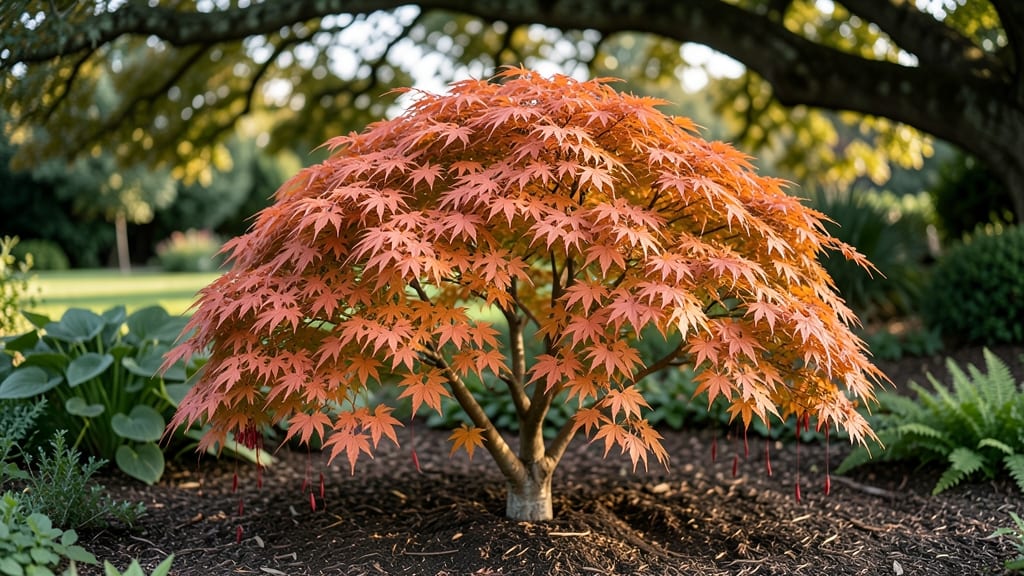
The Japanese Maple Tree Orangeola transforms your yard into a fiery autumn masterpiece with its brilliant orange leaves that glow like embers. 🌿 I planted mine last spring, and its compact form and vibrant foliage have become the centerpiece of my front garden—even in summer, its leaves hold that warm, sun-kissed hue.
This variety thrives in full sun to partial shade, making it perfect for small spaces or urban gardens where other maples might struggle. Unlike its more delicate cousins, Orangeola handles heat and drought better, though it still appreciates consistent moisture during its first few years.
The secret to those showstopping fall colors? Well-draining soil rich in organic matter and regular pruning to maintain its natural shape. By late September, you’ll be rewarded with leaves that look like they’re on fire, turning your yard into a seasonal highlight.
The tree stays relatively small (15-20 feet tall), so it’s ideal for landscaping without overwhelming your space. With the right care, it’ll outshine any store-bought fall decorations.
Start with a sunny spot and slightly acidic soil—this tree isn’t picky, but it rewards good conditions with bold, vibrant growth. Plant it in early spring or fall, and water deeply once a week for the first year to help roots establish.
Mulch around the base to retain moisture and protect against temperature swings, especially in winter when its leaves finally put on their dazzling show.
Pruning is simple: remove dead or crossing branches in late winter or early spring, and shape lightly after new growth appears. Avoid heavy pruning, as Orangeola’s natural form is part of its charm.
Watch for signs of stress like yellowing leaves—usually a sign of overwatering or poor drainage—and adjust care accordingly.
Once established, this tree is low-maintenance but high-impact. Its compact size, heat tolerance, and year-round interest make it a standout for any garden. With proper care, your Orangeola will be the talk of the neighborhood—no green thumb required, just a little patience and sunlight.
📚 In This Guide
- What you need
- Instructions
- Tips and common mistakes
- Wrapping up and next steps
What you need
- ● Japanese Maple Tree (Orangeola variety) – Purchase a healthy, 1-3 gallon container-grown specimen from a reputable nursery (avoid bare-root unless experienced). Price range: $50–$150+ depending on size.
- ● High-quality potting soil or well-draining garden soil mix – 3 parts loam, 1 part sand, 1 part compost for optimal drainage. Quantity: 5–10 gallons (depending on pot size).
- ● Container or planting hole – For containers: A 15–25 gallon pot with drainage holes (terracotta or fabric grow bags work best).
- ● For in-ground planting: A hole twice as wide as the root ball and slightly shallower.
- ● Organic mulch (e.g., wood chips or pine straw) – 2–3 inches to retain moisture and regulate soil temperature.
- ● Pruning shears or bypass pruners – Sharp, sterilized tools with a 1/4"–3/8" blade for clean cuts.
- ● Gloves (gardening or pruning) – Heavy-duty, cut-resistant to protect against thorns.
- ● Trowel or spade – For digging and transplanting.
- ● Watering can or hose with a gentle spray nozzle – 1–2 gallons capacity for deep watering.
- ○ pH testing kit – Optional but helpful to ensure soil pH is 5.0–6.5 (acidic range preferred).
- ● Sunlight access – Minimum 4–6 hours of direct sunlight daily (morning sun is ideal to prevent leaf scorch).
- ● Climate suitability – USDA Hardiness Zones 5–8 (check local frost dates for timing).
- ● Patience for color development – Orangeola foliage reaches peak vibrancy in 3–5 years (young trees may have greenish hues).
- ● Pest/disease prevention – Neem oil or horticultural soap on hand for aphids or spider mites (common in Japanese maples).
Step-by-step guide to planting and caring for Japanese Maple tree 'Orangeola'
This stunning sun-loving variety thrives with the right balance of light, soil, and patience.
🌱 Step 1: Choose the Perfect Planting Location
Select a site with full sun to partial shade—at least 4-6 hours of direct sunlight daily. 'Orangeola' tolerates more sun than many Japanese maples, but afternoon shade in hot climates prevents leaf scorch. Test your spot by observing how much sun it gets throughout the day.
Ensure the area has well-draining soil to prevent root rot. If your soil is heavy clay, amend it with 2-3 inches of organic matter like compost or leaf mold before planting. Dig a hole twice as wide as the root ball but only as deep—planting too deep suffocates the trunk and invites disease.
☀️ Step 2: Plant at the Right Time and Depth
Plant your 'Orangeola' in early spring or early fall when temperatures are mild (50-70°F). Avoid extreme heat or frost, which stresses young trees. Gently remove the tree from its container and loosen any circling roots with your fingers—this encourages outward growth.
Position the tree so the top of the root ball sits 1-2 inches above ground level. Backfill with native soil, tamping lightly to remove air pockets. Water deeply immediately after planting to settle the soil and eliminate gaps. A newly planted tree needs 1-2 gallons of water per week during its first growing season.
💧 Step 3: Water Deeply and Mulch Properly
Water your 'Orangeola' 2-3 times per week for the first month, then taper to once weekly once established. Check moisture by sticking your finger 2 inches into the soil—if it feels dry, water thoroughly until it drains from the bottom of the root zone.
Apply a 3-inch layer of organic mulch (like shredded bark or wood chips) around the base, keeping it 6 inches away from the trunk. Mulch conserves moisture and regulates soil temperature, but too much mulch suffocates the trunk. Refresh the mulch layer annually as it breaks down.
✂️ Step 4: Prune for Structure and Health
Prune your 'Orangeola' in late winter or early spring before new growth begins. Remove any dead, diseased, or crossing branches with clean, sharp pruners. Cut just outside the branch collar—the swollen area where the branch meets the trunk—to promote healing.
Avoid heavy pruning—this variety thrives on its natural shape. Focus on opening the canopy to improve air circulation and sunlight penetration. Thin out crowded branches to reduce disease risk. Never prune more than 25% of the tree's foliage in one season.
🌿 Step 5: Fertilize and Monitor for Pests
Fertilize lightly in early spring with a balanced, slow-release fertilizer (10-10-10 ratio). Apply according to package instructions—over-fertilizing causes weak growth and burns roots. Avoid fertilizing in fall or winter, as new growth is vulnerable to cold damage.
Watch for common pests like spider mites or scale insects, which thrive in dry conditions. Treat infestations early with horticultural oil or insecticidal soap. Japanese maples are generally pest-resistant, but stress from poor care attracts problems. Keep the tree healthy, and pests rarely become an issue.
Tips & tricks for perfect Japanese Maple tree 'Orangeola' growth
Real talk: Nailing the care for this sun-loving beauty comes down to a few key details that make all the difference between a struggling sapling and a showstopping centerpiece.
Sunlight Strategy: While 'Orangeola' handles more sun than typical Japanese maples, those 4-6 hours of direct sunlight should ideally be morning sun with afternoon shade in hotter climates. I've seen trees with leaf scorch after full afternoon sun—watch for crisp edges on leaves as your warning sign. If your location gets intense afternoon heat, consider planting near a building or larger tree that provides natural shade during peak hours.
Soil Science: The 2-3 inches of organic matter recommendation isn't just about drainage—it's about creating that perfect loose, airy soil structure. I learned this the hard way after planting mine in unamended clay soil where roots struggled to establish. For heavy soils, mix in equal parts compost and perlite to improve aeration. Test your soil's drainage by digging a hole, filling it with water, and checking if it drains within an hour—if not, amend further.
Planting Precision: That 1-2 inches above ground level positioning might seem minor, but it's critical for preventing trunk disease. I've seen many gardeners bury the root flare (where roots meet trunk), which creates a perfect environment for fungal issues. After planting, use a small stake to mark the original soil level—this helps you monitor proper positioning over time as soil settles.
Watering Wisdom: The 2-3 times per week guideline for the first month assumes average temperatures and well-draining soil. In extreme heat (above 85°F), you may need daily watering until established. I check moisture by pushing my finger 2 inches deep—if it feels like a dry sponge, it's time to water. Morning watering is best to prevent fungal issues from evening moisture lingering on leaves.
Pro Tips for Japanese Maple Tree Orangeola
- Real talk: Nailing the care for this sun-loving beauty comes down to a few key details that make all the difference between a struggling sapling and a showstopping centerpiece.
- Sunlight Strategy: While 'Orangeola' handles more sun than typical Japanese maples, those 4-6 hours of direct sunlight should ideally be morning sun with afternoon shade in hotter climates.
- Soil Science: The 2-3 inches of organic matter recommendation isn't just about drainage—it's about creating that perfect loose, airy soil structure.
Frequently asked questions
Got questions about growing the stunning Japanese Maple Tree Orangeola? You’re not alone!
Here are answers to the most common queries—from care tips to troubleshooting—to help your tree thrive and dazzle with those fiery orange leaves.
How much sunlight does the Orangeola Japanese Maple need?
The Orangeola is a sun-loving variety—unlike many Japanese maples! Aim for full sun (6+ hours/day), especially in cooler climates. In hotter regions, provide morning sun + afternoon shade to prevent leaf scorch. Mulch around the base to retain moisture and protect roots.
How fast does the Orangeola Japanese Maple grow?
This tree grows at a moderate pace, typically adding 12–24 inches per year under ideal conditions. Growth slows in extreme heat or drought, so consistent watering and well-draining soil keep it on track. Patience pays off—full vibrancy often takes 3–5 years!
Can the Orangeola handle cold winters?
Yes! The Orangeola is hardy to USDA Zones 5–8, meaning it tolerates winters down to -20°F (-29°C). For extra protection in Zone 5 or colder, wrap the trunk with burlap or use tree guards to shield from harsh winds. Prune in late winter to encourage healthy spring growth.
Why aren’t my Orangeola’s leaves turning orange?
If the leaves stay green or yellow, check these fixes:
- Insufficient sunlight: Move to a sunnier spot (but avoid harsh afternoon sun).
- Overwatering: Orangeolas hate soggy roots—ensure well-draining soil.
- Nutrient deficiency: Apply a balanced fertilizer in early spring.
- Stress from transplant shock: Give it 1–2 years to acclimate.
Pro tip: The best color pops happen in cool fall weather—don’t fertilize late in the season!
What’s a good alternative if I can’t grow an Orangeola?
If your climate or space is tricky, try these sun-tolerant maple alternatives:
- Bloodgood Japanese Maple: Deep red foliage, equally hardy.
- Emperor I Japanese Maple: Compact, vibrant orange-red leaves.
- Autumn Blaze Maple: Fast-growing with bright red/orange fall color.
For container growing, Orangeola is ideal, but Emperor I is a close second!
Wrapping up and next steps
The Japanese Maple Tree Orangeola is a stunning addition to any garden, offering vibrant orange-red foliage that transforms your outdoor space into a fall masterpiece. With its sunlight-loving nature and manageable care requirements, this variety is perfect for both novice and experienced gardeners alike. 🍂
Ready to bring this beauty to your yard? Start by selecting the right location, gathering your tools, and following the pruning tips shared above. Watch your Orangeola thrive and enjoy the breathtaking colors it brings year after year!
What’s your next step? Plant one today and share your progress with fellow gardening enthusiasts!