
Pruning
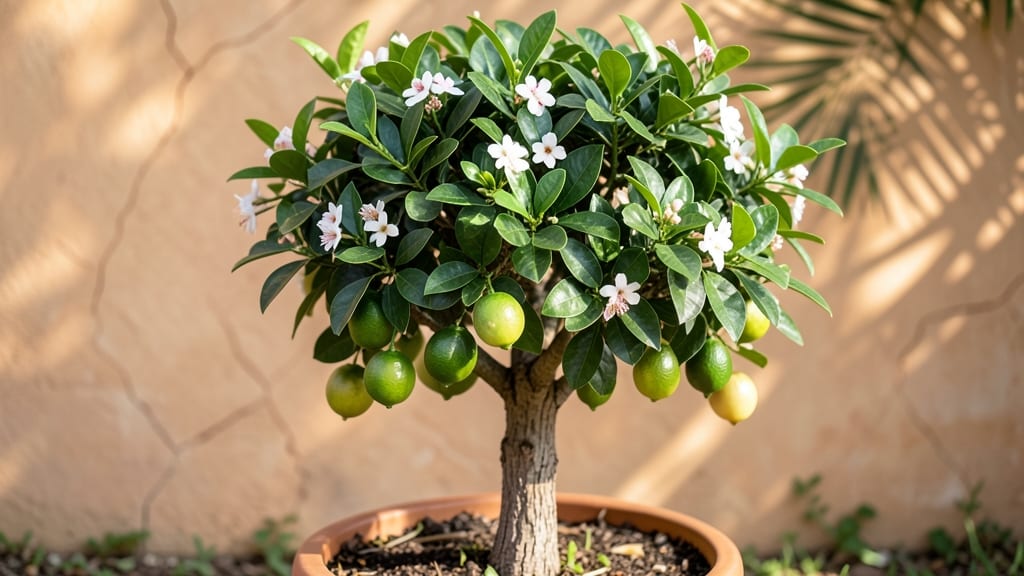
Growing a key lime tree in a pot lets you enjoy tropical fruit on your balcony without a yard. 🌿 My first dwarf key lime tree produced its first limes just 3 years after planting—proof this citrus beauty thrives in containers when you nail the basics.
The secret isn't complicated: it's matching the right pot, soil, and sunlight to what this tropical tree naturally craves.
You'll need a 15-20 gallon container with drainage holes (larger pots prevent root bound stress), well-draining citrus soil mix, and a location with 6+ hours of morning sun—afternoon shade helps in hot climates.
Watering's the tricky part: keep soil consistently moist but never soggy, and use filtered water when possible (citrus hates chlorine). Pruning in late winter keeps the shape compact and encourages fruit production.
By summer, you'll be harvesting small, tart limes perfect for margaritas or desserts. The tree stays 3-5 feet tall in pots, making it ideal for patios and balconies. With proper care, it can live for decades—my neighbor's 15-year-old tree still produces limes every year.
The first harvest feels like a reward for all that patience and attention.
Watch for citrus leaf miners and scale insects—both love potted citrus. Yellowing leaves usually mean overwatering or nutrient deficiency, while brown edges signal too much sun or dry air.
Adjust your care as seasons change: move indoors when temperatures drop below 40°F, and resume outdoor placement when nights stay above 50°F. The payoff makes every adjustment worth it.
📚 In This Guide
- What you need
- Instructions
- Tips and common mistakes
- Wrapping up and next steps
What you need
- ● Dwarf Key Lime Tree (Citrus aurantifolia ‘Mexican’) – Choose a 1–3 gallon potted sapling (ensure it’s labeled as cold-hardy if needed).
- ● Pot (15–20 gallons) – Use a durable, well-draining container with drainage holes (terracotta or fabric pots work best).
- ● High-quality citrus potting mix – Look for blends with 50–60% inorganic matter (perlite, pumice, or sand) for aeration.
- ● Slow-release citrus fertilizer – A 14-14-14 or 8-3-9 NPK ratio (organic options like fish emulsion work too!).
- ○ Mulch (optional but helpful) – Use pine bark or coconut coir to retain moisture and regulate soil temp.
- ● Pruning shears – Bypass pruners (sharp, sterilized) for clean cuts.
- ● Gloves – Garden or nitrile gloves to protect from thorns and sap.
- ● Spray bottle – For light misting (key limes love humidity!).
- ○ Support stake (optional) – If your tree grows tall, a bamboo or metal stake helps stabilize it.
- ● pH test kit – Ensure soil stays in the 6.0–7.0 range (citrus thrives slightly acidic!).
Step-by-step instructions for growing a key lime tree in a pot
Here's how I've successfully grown thriving dwarf key lime trees on my balcony—no greenhouse required.
🪴 Step 1: Choose the Right Container and Drainage System
Select a 5-gallon or larger pot with drainage holes—key lime trees hate soggy roots. I use terra cotta containers because they breathe better than plastic and help prevent root rot. Add 2-3 inches of gravel or expanded clay pebbles at the bottom to create a reservoir for excess water.
For a 4-foot tree, a 16-inch diameter pot works perfectly. The wider the base, the more stable the tree becomes as it grows. If your balcony has wind exposure, choose a heavier pot to prevent tipping. I always place mine on a saucer or tray to catch any drainage that might drip onto furniture.
🌱 Step 2: Prepare the Soil and Plant Your Dwarf Tree
Use a well-draining citrus potting mix—never garden soil. I blend 50% premium potting mix with 30% perlite and 20% compost to create a loose, airy medium. Key lime trees need slightly acidic soil (pH 6.0-7.0), so add a handful of sulfur-based amendment if your mix runs neutral.
Remove the tree from its nursery pot and loosen the roots gently if they're circling. Place it in the center of your container and backfill with soil, pressing lightly to eliminate air pockets. Water deeply until it drains from the bottom holes—this helps settle the soil and removes any air gaps around the roots.
☀️ Step 3: Position for Maximum Sunlight and Protection
Key lime trees need full sun (6-8 hours daily)—place your pot where it gets morning sun and afternoon shade if temperatures exceed 90°F. I rotate my pot quarter-turn weekly so the tree grows evenly toward the light. Avoid cold drafts, especially in winter, as key limes are sensitive to temperatures below 40°F. A frost cloth can save your tree if a late frost threatens.
Watch for yellowing leaves—this usually means too much direct sun. Move the tree to a spot with dappled shade if leaves appear scorched. In winter, supplement with a grow light if natural light drops below 4 hours daily, keeping it 6-12 inches above the tree for 12 hours per day.
💧 Step 4: Water and Fertilize for Optimal Growth
Water when the top 1-2 inches of soil feel dry—stick your finger in to check. Overwatering is the #1 killer of potted citrus, so never let the pot sit in standing water. I use a self-watering pot in summer to maintain consistent moisture without drowning the roots. In winter, reduce watering to every 10-14 days as growth slows.
Feed your tree every 4-6 weeks with a citrus-specific fertilizer (high in nitrogen but balanced with potassium and phosphorus). I mix ½ teaspoon of Epsom salt into the soil monthly to prevent magnesium deficiency, which causes yellowing between leaf veins. Flush the soil with water every 3 months to prevent salt buildup from fertilizers.
✂️ Step 5: Prune and Harvest for a Productive Tree
Prune in late winter or early spring before new growth begins. Remove dead, diseased, or crossing branches first, then thin out 10-15% of the canopy to improve airflow. I always prune just above a leaf node or outward-facing bud to encourage bushier growth. Avoid heavy pruning—key lime trees fruit on new wood, so aggressive cuts reduce next year's harvest.
Harvest key limes when they turn bright yellow and feel slightly soft when gently squeezed. Pick them before the first frost if growing in colder zones. You'll get 10-20 limes per tree in its second year, with yields doubling by year three. Store unripe limes in a cool, dark place for up to 2 weeks or freeze them for later use.
Tips & tricks for perfect key lime tree growth in pots
Balcony citrus growing has its quirks—here's what I've learned after keeping my key lime tree thriving for three seasons.
Container Stability and Wind Protection: When selecting your 5-gallon or larger pot, consider adding weights to the base if your balcony experiences strong winds. I've seen 16-inch diameter pots toppled by unexpected gusts—place yours against a wall or secure it with a non-invasive anchor system. For extra stability, choose terra cotta which adds natural weight while preventing root rot through its porous nature. This is especially important for the 4-foot height you'll achieve with proper care.
Soil pH Testing and Maintenance: The slightly acidic soil (pH 6.0-7.0) requirement is non-negotiable for key limes. I invest in a simple pH meter to test my mix before planting and again every 6 months. If your soil tests neutral, add the sulfur-based amendment gradually—too much can make the soil too acidic. Remember that citrus trees are sensitive to pH swings, so aim for consistency. The 50% premium potting mix/30% perlite/20% compost blend I use naturally stays in this range when properly maintained.
Light Rotation Strategy: That quarter-turn weekly rotation I mention isn't just about aesthetics—it's crucial for preventing lopsided growth toward the light source. I mark the pot's position with a small piece of tape on the balcony railing to track rotation progress. In winter, when natural light drops below 4 hours daily, supplement with a grow light placed 6-12 inches above the tree for 12 hours. The light should be positioned to cover the entire canopy evenly, not just one side.
Frost Protection Beyond the Cloth: While frost cloth is essential, I've found that moving the pot to a sheltered location (like against a south-facing wall) adds an extra layer of protection. For severe cold snaps below 40°F, I also wrap the pot in bubble wrap before applying the frost cloth. This creates an insulating air pocket that can make the difference between a saved tree and a frozen one. Always remove these protections gradually as temperatures rise to avoid shocking the plant.
Pro Tips for Key Lime Tree In Pot
- Balcony citrus growing has its quirks—here's what I've learned after keeping my key lime tree thriving for three seasons.
- Container Stability and Wind Protection: When selecting your 5-gallon or larger pot, consider adding weights to the base if your balcony experiences strong winds.
- Soil pH Testing and Maintenance: The slightly acidic soil (pH 6.0-7.0) requirement is non-negotiable for key limes.
Frequently asked questions
Got questions about growing a key lime tree in a pot? You’re not alone! Here are answers to the most common queries from balcony gardeners just like you—so you can enjoy fresh key limes without the fuss.
Can a key lime tree thrive in a pot long-term?
A dwarf key lime tree (Citrus aurantifolia ‘Mexican Lime’) can live happily in a pot for years if given the right care. Choose a container at least 12–18 inches wide with drainage holes, and repot every 2–3 years to refresh the soil. Just watch for root-bound signs (roots circling the pot)—this means it’s time to upgrade!
How long does it take for a potted key lime tree to bear fruit?
Patience is key! Dwarf varieties may take 3–5 years to produce fruit, especially if grown from seed. Grafted trees (like those from nurseries) can fruit in 1–2 years with proper care. Boost chances by ensuring full sun (6+ hours/day), consistent watering, and balanced citrus fertilizer during spring/summer.
Why are my key lime tree’s leaves turning yellow?
Yellow leaves usually signal overwatering, underwatering, or nutrient issues. Check the soil—it should stay slightly moist but not soggy. Yellowing on older leaves often means overwatering, while crispy edges suggest underwatering or low humidity. Feed with citrus-specific fertilizer every 4–6 weeks in growing season to prevent deficiencies.
Can I grow a key lime tree indoors year-round?
Yes! Place your potted key lime tree near a south-facing window (or use grow lights for 12+ hours/day). Keep temps between 60–85°F—avoid drafts or cold windows. In winter, reduce watering and watch for spider mites (common indoors). A humidifier or pebble tray can help mimic tropical conditions.
What’s the best temperature range for a potted key lime tree?
Key lime trees love warmth but hate extremes. Ideal temps: 60–85°F. Protect from frost (below 32°F) by moving indoors or covering with frost cloth. Heatwaves over 90°F can stress the tree—provide afternoon shade and extra water during summer peaks. A thermometer helps monitor conditions!
Are there alternatives to dwarf key lime trees for small spaces?
If key limes aren’t your vibe, try these compact citrus options:
- Calamondin orange: Tiny tree, fragrant flowers, and tart fruit—perfect for pots!
- Meyer lemon: Cold-hardier than key limes, sweet-tart fruit, and thrives indoors.
- Kumquat: Dwarf varieties like ‘Meiwa’ produce edible peel and fruit.
Wrapping up and next steps
Growing a key lime tree in a pot is a rewarding way to enjoy fresh, tangy fruit right on your balcony—no backyard required! 🌿 With the right dwarf variety, pruning techniques, and care, you’ll turn your tiny space into a citrus paradise.
Remember, consistency is key: prune regularly, watch for pests, and keep those roots happy in well-draining soil.
Ready to take the next step? Start small—pick your favorite dwarf variety, grab your pruning shears, and give it a try! Whether you’re a beginner or a seasoned green thumb, your key lime tree will thank you with vibrant blooms and sweet, juicy rewards. Happy growing! 🍋✨