
Blooming
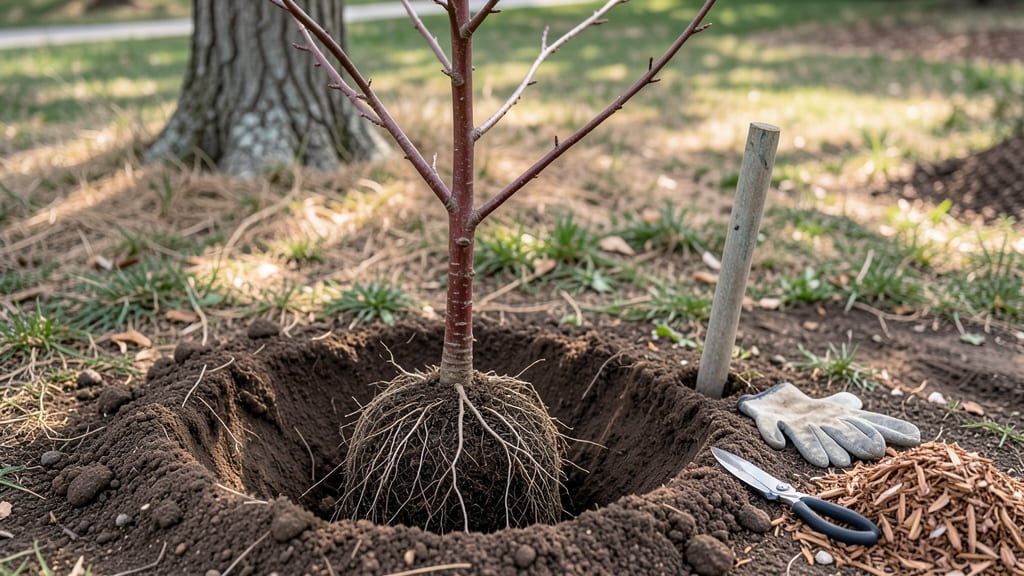
Planting a kwanzan cherry blossom tree bare root means welcoming a tree that brings pink clouds of blooms in spring and keeps interest all year. 🌸 I’ve planted mine in late winter when the ground is workable but before buds swell—this timing lets roots establish before the heat arrives.
The secret to success starts with soil: mix in compost for drainage and nutrients, then mound soil where roots will spread. Water deeply after planting to settle the roots, and mulch to keep moisture in. My first Kwanzan nearly died from overwatering—now I check soil moisture before watering again.
By summer, you’ll see fresh green leaves and maybe even a few late-season blooms. These trees thrive with minimal care once established: prune in late winter to shape, and watch for pests like borers (I’ve never had an issue, but keep an eye out).
Long-term, they reward you with vibrant fall color and even winter interest. With proper planting, your Kwanzan will outlive you—and become the centerpiece of your landscape.
📚 In This Guide
- What you need
- Instructions
- Tips and common mistakes
- Wrapping up and next steps
What you need
- ● Bare-root Kwanzan cherry blossom tree (Prunus serrulata 'Kwanzan') – Choose a 1- to 2-year-old specimen with healthy roots and buds.
- ● Shovel or spade – A round-point shovel (16–18 inches wide) works best for digging.
- ● Garden fork or trowel – For loosening soil and breaking up compacted areas.
- ● Compost or well-aged manure – 5–10 gallons to enrich the planting hole.
- ● Mulch (wood chips or straw) – 2–3 inches to retain moisture and protect roots.
- ● Pruning shears – For trimming any damaged roots or branches.
- ● Watering can or hose with a gentle spray nozzle – 5+ gallons for initial watering.
- ● Planting hole dimensions – Dig a hole twice as wide and just as deep as the root ball.
- ● Root stimulator or mycorrhizal fungi – Boosts root growth and disease resistance.
- ● Slow-release fertilizer (10-10-10 or similar) – 1–2 cups mixed into the soil.
- ● Soil test kit – Ensures your soil pH (ideal: 6.0–7.0) is perfect for cherries.
- ○ Tree support stake (optional) – Only needed if planting in windy areas.
- ● Drip irrigation system – For consistent moisture during establishment.
Step-by-step guide to planting a Kwanzan cherry blossom tree bare root
This cold-hardy stunner thrives with proper planting—here's how to set it up for decades of blooms.
🪴 Step 1: Choose and Prepare the Planting Site
Select a location with full sun (6-8 hours daily) and well-draining soil. Kwanzan cherries tolerate a range of soil types but perform best in loamy soil with a pH between 6.0 and 7.0. Avoid low spots where water pools—they hate soggy roots.
Test your soil by digging a 12-inch deep hole. If the soil feels compacted or clay-heavy, mix in 2-3 inches of compost to improve drainage. The hole should be twice as wide as the root ball but only as deep as the roots themselves—planting too deep suffocates the tree.
🌱 Step 2: Prepare the Bare Root Tree for Planting
Soak the bare root tree in a bucket of water for 1-2 hours before planting. This rehydrates the roots and helps them establish faster. While soaking, gently spread the roots outward—never force them, or you'll tear delicate tissues. If roots are circling, make a straight cut with clean pruners to encourage outward growth.
Check the root flare—the swollen area where roots meet the trunk. This should sit 2-3 inches above the finished soil line. Mark the flare with a pencil if needed; planting too deep causes rot, while too shallow exposes roots to freeze damage in winter.
💧 Step 3: Plant with Proper Spacing and Support
Position the tree in the center of the hole with roots spread evenly. Fill the hole with native soil, tamping gently every 2 inches to eliminate air pockets. Water deeply as you go to settle the soil—this prevents gaps that dry out roots. The finished soil level should leave the root flare 2-3 inches above grade.
Stake the tree only if needed—Kwanzan cherries grow 20-30 feet tall and benefit from temporary support in windy areas. Use 2 stakes placed 12 inches from the trunk and tie with soft fabric strips, not wire. Water thoroughly after planting to encourage root contact with moist soil.
☀️ Step 4: Mulch and Water for Establishment
Apply 2-3 inches of organic mulch (like wood chips) over the root zone, keeping it 6 inches away from the trunk to prevent rot. Mulch retains moisture and regulates soil temperature—critical for young trees. Water deeply 2-3 times per week for the first year, ensuring the soil stays moist but not waterlogged.
Watch for new growth in 4-6 weeks—this signals successful root establishment. If leaves yellow or wilt, you're either overwatering or the soil drains poorly. Adjust your watering schedule based on rainfall; mature trees need 1 inch of water weekly during dry spells, but less in winter.
⏰ Step 5: Prune and Care for Long-Term Health
Prune in late winter (before buds swell) to remove dead or crossing branches. Kwanzan cherries bloom on old wood, so avoid heavy pruning—focus on shaping and thinning to improve airflow. Sterilize pruners between cuts with rubbing alcohol to prevent disease spread.
Fertilize lightly in early spring with 10-10-10 granular fertilizer spread over the root zone. Over-fertilizing encourages weak growth prone to pests. Monitor for common issues: powdery mildew (spray with neem oil) or borers (remove infested branches immediately). With proper care, your Kwanzan will reward you with pink blooms in spring and vibrant fall color for decades.
Tips & tricks for planting a Kwanzan cherry blossom tree
These straightforward tips will help you avoid common mistakes and give your Kwanzan cherry blossom the best start possible.
Sunlight Secret: While your tree needs 6-8 hours of daily sun, morning sun is especially important. East-facing locations provide gentle warmth without the intense afternoon heat that can stress young trees. If planting in late spring, consider providing afternoon shade with a temporary fabric screen until roots establish.
Root Care: The 1-2 hour soak before planting is non-negotiable—it makes all the difference for root health. For extra insurance, add a handful of mycorrhizal fungi to the planting hole. These beneficial soil organisms help roots absorb water and nutrients more efficiently, giving your tree a head start. Just sprinkle it around the roots before backfilling.
Mulching Matters: That 2-3 inches of organic mulch isn't just decoration—it's a protective blanket for your tree's roots. Use wood chips or shredded bark, but avoid fresh sawdust which can rob nitrogen from the soil. Refresh the mulch annually, keeping it 6 inches away from the trunk to prevent rot and pest issues.
Watering Wisdom: The 2-3 times per week watering schedule assumes average rainfall. In hot summers, you may need to water daily, especially if you notice the mulch drying out. A simple soil probe test works best—insert a screwdriver 6 inches deep. If it comes out dry, it's time to water. The goal is consistently moist soil, not soggy conditions.
Pro Tips for Kwanzan Cherry Blossom Tree Bare Root
- These straightforward tips will help you avoid common mistakes and give your Kwanzan cherry blossom the best start possible.
- Sunlight Secret: While your tree needs 6-8 hours of daily sun, morning sun is especially important.
- Root Care: The 1-2 hour soak before planting is non-negotiable—it makes all the difference for root health.
Frequently asked questions
about planting and caring for Kwanzan cherry blossom trees (bare root)—get answers to the most common queries!When is the best time to plant a bare-root Kwanzan cherry tree?
Plant your bare-root Kwanzan cherry tree in late fall or early spring while the tree is dormant. Avoid extreme heat or frost. Early spring (just before buds swell) is ideal—it gives roots time to establish before summer. Pro tip: If planting in fall, water thoroughly before the first hard freeze!
How cold-hardy is the Kwanzan cherry tree, and can it survive winter?
The Kwanzan cherry tree is USDA Zones 5-8 hardy, making it one of the toughest cherry blossoms for colder climates. With proper mulching (3-4 inches of organic mulch) and winter watering, it thrives in snow and sub-zero temps. Watch for: Late spring frosts that can damage blooms—cover young trees if frost is forecasted.
What’s the difference between bare-root and container-grown Kwanzan cherry trees?
Bare-root trees are cheaper and often hardier since they’re dug from the ground with no soil around roots, encouraging faster establishment. Container-grown trees (potted) are easier to plant anytime but may cost more. Choose bare-root for: Budget-friendly, larger size options; container-grown for convenience or urban planting.
Why aren’t my Kwanzan cherry blossoms blooming this year?
Common reasons include young age (takes 3-5 years to bloom), poor pruning (cutting back too aggressively), or nutrient deficiencies. Check for over-fertilizing with nitrogen (promotes leaves, not flowers) and ensure full sun (6+ hours/day). Fix it: Prune in late winter, add bloom-boosting fertilizer (low N, high P/K), and wait patiently!
Can I grow a Kwanzan cherry tree in a large pot or small yard?
Yes! Use a minimum 20-gallon container with drainage holes and well-draining soil. Dwarf varieties (like ‘Royal Raindrops’) work well in tight spaces. Key tips: Water frequently (potted trees dry faster), fertilize monthly in spring/summer, and move containers to a sunny spot. Note: Potted trees may bloom less than ground-planted ones.
Wrapping up and next steps
Planting a Kwanzan cherry blossom tree bare root is a rewarding way to bring stunning seasonal color and year-round charm to your landscape. With its cold-hardy nature and vibrant blooms, this tree is perfect for gardeners eager to create a lasting focal point.
Whether you're a beginner or a seasoned gardener, the key is patience and care—soon, you’ll be enjoying its breathtaking pink double blossoms and graceful silhouette.
Ready to get started? Mark your calendar for early spring or fall—these are the ideal times to plant. Grab your gloves, gather your tools, and take the first step toward a showstopping garden centerpiece! 🌸