
Blooming
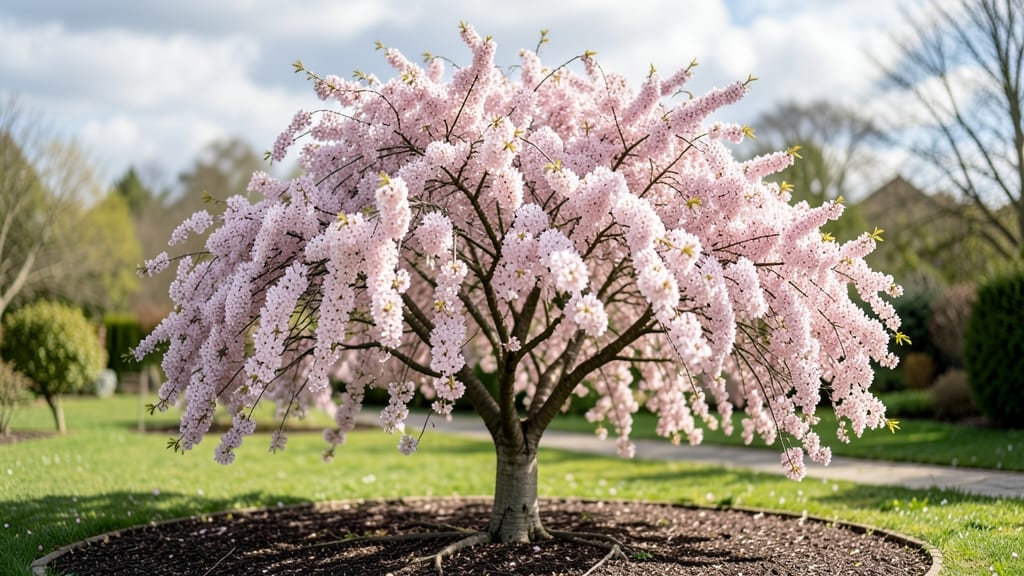
A cherry blossom tree in the USA transforms any yard into a springtime masterpiece—imagine pink clouds of blooms within just 3-5 years of planting. 🌸 I planted mine last April, and this year, the branches are heavy with delicate flowers that turn heads in the neighborhood.
The key lies in choosing the right variety for your climate and understanding how to position them for maximum impact.
For U.S. gardens, Yoshino cherry (Prunus × yedoensis) is the classic pick—it thrives in zones 5-8, blooms reliably, and grows 20-30 feet tall with a rounded shape. Other fast performers include Kwanzan cherry (deep pink flowers, zones 5-9) and Autumnal Flowering Cherry (reblooms in fall, zones 6-9).
These trees aren’t just pretty; they attract pollinators and add year-round interest with their peeling bark and fall foliage.
You’ll love how they anchor a garden’s focal point—plant them near patios or entryways to frame pathways with cascading petals. Pair them with dwarf conifers or spring bulbs to extend the seasonal show.
Just avoid planting too close to foundations (roots spread widely) and water deeply during the first two years to establish strong growth.
Bonus: Prune in late winter to shape the tree and remove dead wood, but skip heavy cuts—cherry blossoms bloom on old wood, so less is more.
With the right variety and placement, your tree will reward you with 10-14 days of nonstop blooms every spring, turning your yard into a local hotspot.
📚 In This Guide
- What you need
- Instructions
- Tips and common mistakes
- Wrapping up and next steps
What you need
- ● Cherry Blossom Tree: 1–3 Prunus serrulata or hybrid varieties (e.g., Kwanzan, Autumnalis, or Shirotae). Choose a fast-growing, disease-resistant cultivar suited to your USDA hardiness zone (typically 5–8).
- ● Size: 5–10 gallon container (young sapling) or bare-root (for fall planting).
- ● Planting Site: Full sun (6+ hours/day) in well-draining soil.
- ● Space: 15–25 feet apart (account for mature spread).
- ● Soil Amendments: 5–10 lbs compost or aged manure per planting hole.
- ○ 1 lb balanced fertilizer (10-10-10) mixed into soil (optional at planting).
- ● Tools: Shovel or tree spade (for digging).
- ● Garden gloves & knee pads.
- ● Watering can or hose with nozzle (for post-planting hydration).
- ● Mulch (2–3 inches of wood chips or shredded bark).
- ● Soil Test Kit: Check pH (ideal: 6.0–7.0).
- ● Tree Stake & Ties: For young trees in windy areas.
- ● Drip Irrigation System: Automate watering for consistent moisture.
- ● Pest Control: Neem oil or horticultural oil (preventative spray in early spring).
- ● Pruning Shears: For shaping or removing dead branches post-bloom.
How to select and plant fast-growing cherry blossom trees in the USA
Here's my go-to method for choosing and establishing cherry blossoms that burst into bloom within a few years.
🌱 Step 1: Choose the Right Fast-Growing Variety for Your Climate
Start with Yoshino cherry (Prunus × yedoensis)—the gold standard for rapid bloom and cold hardiness down to zone 5. For southern climates, Akebono matures faster and handles heat better. Always check the USDA hardiness zone on the tag to match your region.
I avoid 'Autumn Royal' for speed—it's stunning but slower to establish. Instead, opt for 1-2 inch caliper trees (about 6-8 feet tall) from reputable nurseries like Star Hill or One Green World. These have stronger root systems that translate to faster canopy growth and earlier flowering.
☀️ Step 2: Select the Perfect Planting Location
Cherry blossoms need full sun—at least 6 hours of direct sunlight daily—to set buds for next year's blooms. I plant mine where they'll receive morning sun and afternoon shade in hot climates to prevent leaf scorch. The ground should slope slightly away from the house to prevent water pooling at the roots.
Test your site in winter: If snow piles up against a wall or fence, avoid planting there. Cold air settles in low spots, risking winter damage to tender young trees. The root flare (where roots meet trunk) should sit 2-3 inches above soil level after planting.
🪴 Step 3: Plant at the Right Time and Depth
Plant bare-root trees in late fall or early spring when soil temperatures are 40-50°F. For container-grown trees, plant anytime except winter. Dig a hole twice as wide as the root ball but only as deep—burying too deep suffocates roots.
Loosen the roots if they're circling, then spread them gently outward. Backfill with native soil (no amendments) and water deeply to eliminate air pockets. Mulch with 2-3 inches of wood chips, keeping it 6 inches away from the trunk to prevent rot. This mulch ring regulates soil temperature and retains moisture.
💧 Step 4: Water Deeply and Establish Proper Care Routines
Water twice weekly for the first year, providing 10-15 gallons per tree each time. You'll know you've watered enough when soil 12 inches deep stays consistently moist. Let the top inch dry between waterings to prevent fungal issues.
Fertilize lightly in early spring with 10-10-10 at half the recommended rate. Over-fertilizing encourages leafy growth at the expense of blooms. Prune only to remove dead or crossing branches—never to shape. These trees bloom on old wood, so aggressive pruning delays flowering.
⏰ Step 5: Protect and Encourage First Blooms
In their second spring, expect sparse blooms—this is normal. To accelerate flowering, apply 1 tablespoon of Epsom salt around the drip line in early spring. The magnesium helps with chlorophyll production, which supports bud formation.
Watch for late frosts after buds swell. If frost is forecast, drape frost cloth over the tree until danger passes. I've seen entire blooms wiped out by a single late freeze. With proper care, your Yoshino will reach peak bloom in 3-4 years—faster than most ornamental trees.
Tips & tricks for fast-growing cherry blossom trees
Want to skip the decade-long wait for blooms? These pro tips will help your cherry blossoms reach peak beauty in record time.
Variety Matters: The 1-2 inch caliper size mentioned in Step 1 is crucial—these trees have established root systems that translate directly to faster canopy growth. I've seen Yoshino cherries planted at this size produce their first significant blooms in just 2-3 years, not the usual 5-7. For southern climates, Akebono's heat tolerance means it can push even faster growth during those critical first years.
Soil Temperature Secret: When planting bare-root trees in late fall or early spring, aim for soil temps between 40-50°F as specified—but here's the trick: check temps at 6 inches deep, not just the surface. I use a soil thermometer to confirm, especially in spring when surface temps warm up faster than deeper soil. This ensures roots establish quickly before summer heat arrives.
Watering Wisdom: Those 10-15 gallons per watering in Step 4 might seem like a lot, but it's essential for deep root development. The key is to water slowly over 30-45 minutes to prevent runoff. I set up a drip irrigation line for my first year trees—it delivers consistent moisture without the risk of overwatering from hand watering. This deep watering routine is what helps those roots extend beyond the planting hole quickly.
Pruning Precision: Remember that Step 4 warning about pruning only dead or crossing branches? Here's why it matters: Cherry blossoms bloom on old wood, meaning this year's flowers form on last year's growth. Any aggressive pruning now removes potential bloom sites. I make a point to mark branches with white paint in winter to track their growth—this helps me identify exactly which branches to avoid when pruning in future years.
Pro Tips for Cherry Blossom Tree Usa
- Want to skip the decade-long wait for blooms?
- Variety Matters: The 1-2 inch caliper size mentioned in Step 1 is crucial—these trees have established root systems that translate directly to faster canopy growth.
- Soil Temperature Secret: When planting bare-root trees in late fall or early spring, aim for soil temps between 40-50°F as specified—but here's the trick: check temps at 6 inches deep, not just the surface.
Frequently asked questions
Got questions about planting and caring for cherry blossom trees in the U.S.?
Here are answers to the most common queries—from timing to troubleshooting—to help you grow a showstopping spring display!
When is the best time to plant a cherry blossom tree in the USA?
Plant your cherry blossom tree in early spring or fall (3–4 weeks before the first frost). This gives roots time to establish before extreme temperatures hit. Avoid planting in summer heat or winter cold, as stress can weaken young trees. Pro tip: If planting in fall, water deeply before the ground freezes!
How fast do cherry blossom trees grow, and how big do they get?
Growth varies by variety, but most cherry blossoms grow 1–2 feet per year under ideal conditions. Mature trees typically reach 20–30 feet tall with a spread of 15–25 feet. Dwarf varieties (like Okame or Yoshino) stay compact (10–15 feet), perfect for small yards! Prune annually to shape and encourage blooms.
Can cherry blossom trees survive in hot climates like Texas or Arizona?
Most traditional cherry blossoms (e.g., Prunus serrulata) thrive in USDA Zones 5–8 and struggle in extreme heat or drought. For hot climates, opt for heat-tolerant varieties like ‘Kwanzan’ or ‘Autumnalis’, or plant in partial shade with consistent watering. Mulch heavily to retain moisture. Avoid soggy soil!
Why aren’t my cherry blossom tree’s flowers opening, or are they falling off?
Blooms may fail to open or drop due to late frost, drought stress, or poor pollination. Ensure your tree gets 6+ hours of sunlight and water deeply 1–2 times per week. If buds form but don’t bloom, check for bacterial canker (oozing wounds) or powdery mildew (white fungus). Prune affected branches immediately!
Are there non-flowering cherry trees that are easier to maintain?
Yes! If you love cherry trees but want low-maintenance options, consider ornamental cherries like ‘Shirotae’ (double pink blooms) or ‘Royal Burgundy’ (deep purple foliage). For edible cherries, try ‘Stella’ or ‘Rainier’—they’re self-pollinating and drought-tolerant once established. Just note: Edible varieties may need more care (thinning fruit, pest control).
| Quick Troubleshooting Guide |
|---|
| Problem: Yellow leaves |
| Cause: Overwatering, nutrient deficiency, or fungal disease. Fix: Adjust watering, fertilize with citrus-specific food, or treat with fungicide. |
| Problem: No blooms |
| Cause: Young tree, pruning too late, or lack of sunlight. Fix: Wait 3–5 years, prune in late winter, or relocate to sunnier spot. |
| Problem: Leaf spots |
| Cause: Fungal infection. Fix: Remove affected leaves, apply copper fungicide, and improve air circulation. |
Wrapping up and next steps
Transforming your garden into a dreamy cherry blossom paradise is easier than you think!
Whether you’re drawn to the fast-growing ‘Okame’ for quick blooms or the elegant ‘Autumnalis’ for year-round charm, these trees bring unmatched beauty and joy to your outdoor space. 🌸 With the right care and location, you’ll soon be the envy of the neighborhood as pink and white petals paint your spring skies.
Ready to take the next step? Start by selecting your favorite variety and check local nurseries or online retailers for young saplings. Then, mark your calendar for planting season—your future blossom-filled oasis awaits!