
Blooming
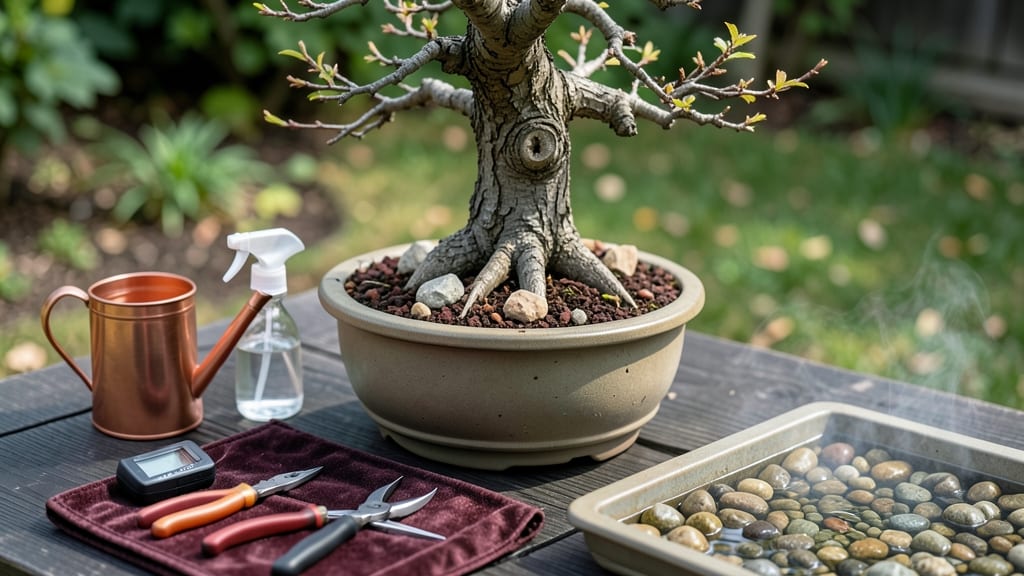
Your cherry blossom bonsai tree care can transform bare branches into a springtime explosion of pink blooms—if you master its delicate balance of light, water, and patience. 🌸 I’ve watched mine go from bare branches to a cascade of pink flowers by following these exact steps, and the secret isn’t complicated: it’s about understanding what cherry blossoms naturally need in their tiny world.
The biggest mistake beginners make? Treating a bonsai like a regular houseplant. Cherry blossoms need bright, indirect light (south-facing windows or grow lights), well-draining soil (never soggy), and seasonal adjustments—like letting it rest in winter. Skip these, and you’ll end up with yellow leaves or no blooms.
By spring, you’ll see buds form along last year’s growth, and with proper pruning (just after flowering), you’ll encourage even more delicate blossoms. The payoff? A miniature tree that feels like a living piece of art, not just another houseplant.
Works for all skill levels—even if your thumb is more "brown" than "green." Let’s get those branches blooming!
📚 In This Guide
- What you need
- Instructions
- Tips and common mistakes
- Wrapping up and next steps
What you need
- ● Cherry Blossom Bonsai Tree: Start with a Prunus serrulata (Japanese cherry) or a pre-bonsai specimen (ensure it’s disease-free). Pro tip: 💡 Choose a tree with a sturdy trunk and healthy branches for better shaping!
- ● Bonsai Pot: 1 shallow, well-draining pot (3–5 inches wide) with drainage holes. Material: Unglazed clay or ceramic.
- ○ Bonsai Soil Mix: 1 bag (5–10 lbs) of akadama, pumice, and lava rock (ratio: 50% akadama, 30% pumice, 20% lava rock). Optional: Add a handful of organic compost for nutrients.
- ● Drainage Layer: Small gravel or horticultural charcoal (1–2 inches) to prevent root rot.
- ● Pruning Tools: 1 pair of concave bonsai shears (for branch trimming).
- ● 1 wire cutter (for removing training wire).
- ● 1 root hook (for repotting and root pruning).
- ● Training Wire: 1–2 rolls of aluminum or copper wire (1–3mm gauge, depending on branch thickness).
- ● Watering Can: 1 with a rose attachment for gentle, targeted watering.
- ● Fertilizer: 1 bottle of balanced liquid fertilizer (e.g., 10-10-10 or 20-20-20, diluted to half-strength).
- ● 1 packet of slow-release bonsai fertilizer (for soil enrichment).
- ● Misting Bottle: 1 (to maintain humidity, especially in dry climates).
- ● Bonsai Humidity Tray: Keeps the air moist around your tree (great for indoor bonsai).
- ● Grafting Tools: If you plan to graft new branches (e.g., knob cutters or grafting tape).
- ● Bonsai Stakes: For supporting weak branches during growth.
- ● Soil pH Test Kit: Ensures your soil stays in the ideal range (5.0–6.5 for cherry blossoms).
- ● Decorative Elements: Miniature rocks, moss, or figurines to enhance your bonsai’s aesthetic.
- ● Grow Lights: LED or fluorescent lights for indoor bonsai (12–14 hours of light daily).
Step-by-Step guide to cherry blossom bonsai tree care
Transform your bonsai from a delicate experiment into a thriving, blooming masterpiece with these precise seasonal steps.
🌱 Step 1: Establish Proper Light and Temperature Conditions
Cherry blossom bonsai thrive in bright, indirect light—think east-facing windows or 12-14 hours of artificial grow light daily. Place your tree within 3-5 feet of a south-facing window during winter when light is weaker. Avoid harsh midday sun, which scorches delicate leaves and buds.
Maintain temperatures between 60-75°F year-round, with cooler nights (50-60°F) in spring and fall to stimulate blooming. I keep mine near an insulated window in winter, where the glass acts as a thermal buffer. Watch for leaves curling or yellowing—these are signs of temperature stress.
💧 Step 2: Master the Watering Balance for Delicate Roots
Water when the top 1-2 inches of soil feel dry to touch, but never let the root ball dry completely. Cherry blossom bonsai roots are shallow and sensitive—overwatering causes root rot, while underwatering drops buds prematurely. Use lukewarm water to avoid shocking the roots, and water until it drains freely from the bottom.
I mist the foliage daily in dry climates to maintain humidity, especially during bloom season. The key is consistency: water at the same time daily (morning works best) to establish a routine. If the soil feels damp but the leaves still look wilted, your tree needs more humidity—not more water.
☀️ Step 3: Feed and Prune for Continuous Blooms
Apply a balanced 10-10-10 fertilizer every 2 weeks during spring and summer, cutting back to monthly in fall and winter. I dilute it to half-strength to prevent salt buildup, which burns delicate roots. After blooming, switch to a low-nitrogen, high-phosphorus formula to encourage next year's buds.
Prune spent blossoms immediately to redirect energy to new growth, but never cut into old wood—this removes next year's potential buds. Shape the tree in late winter using concave cuts just above leaf nodes to maintain natural branching. Watch for new growth at the base; if it's leggy, your light levels are too low.
⏰ Step 4: Seasonal Adjustments for Year-Round Health
In spring, increase watering frequency as growth accelerates, and introduce outdoor acclimation by placing the tree outside for 2-3 hours daily after frost risk passes. Harden it off gradually over 2 weeks to prevent shock. During summer, provide afternoon shade if temperatures exceed 85°F to prevent leaf scorch.
Fall is critical for bud formation: reduce watering slightly and stop fertilizing after mid-September. Move the tree indoors before first frost, and place it in a cool, bright location (like a garage with windows) to simulate winter dormancy. In winter, maintain 50-60°F temperatures and reduce watering to every 7-10 days, checking soil moisture carefully.
Tips & tricks for perfect cherry blossom bonsai care
Here's what nobody tells you about keeping your cherry blossom bonsai thriving all year—these are the details that separate a struggling plant from a stunning, blooming masterpiece.
Lighting Strategy: The 12-14 hours of artificial grow light mentioned in Step 1 is non-negotiable for indoor bonsai. I use LED grow lights on a timer—place them 6-12 inches above the tree to mimic natural sunlight intensity. Rotate your bonsai quarter-turn daily to prevent uneven growth toward the light source, which can create lopsided branches. A simple trick: use a small mirror angled toward the tree to bounce extra light onto shaded areas during winter when natural light is weakest.
Temperature Fine-Tuning: While the ideal range is 60-75°F, I've found that cherry blossom bonsai actually thrive with slightly cooler nights (50-60°F) during bud formation. Place your tree near a window with good airflow but avoid drafts from AC vents or heaters. In summer, if your home exceeds 85°F, move the tree to a cooler room or use a small fan on low setting to create gentle airflow—this mimics natural breezes that strengthen stems without stressing delicate blossoms.
Watering Precision: The top 1-2 inches dry test in Step 2 works, but here's the secret: use a chopstick or bamboo skewer to check moisture at different soil levels. If the skewer comes out clean at 2 inches but the surface stays damp, your tree needs better drainage—not more water. I water until it drains freely from the bottom, then wait 10 minutes before returning it to its tray to prevent waterlogging. For humidity in dry climates, place the bonsai pot on a tray filled with pebbles and water (not touching the pot) to create natural humidity without overwatering.
Seasonal Transition Hack: When hardening off your bonsai for outdoor placement in spring (Step 4), I start with just 30 minutes the first day, then gradually increase by 30 minutes daily. This 2-week process prevents shock that can cause bud drop. In fall, I reduce watering to every 7-10 days starting in mid-September and stop fertilizing completely—this mimics natural dormancy and ensures robust blooming next spring. The key is consistency: don't rush these seasonal adjustments, even if your bonsai looks healthy.
Pro Tips for Cherry Blossom Bonsai Tree Care
- Here's what nobody tells you about keeping your cherry blossom bonsai thriving all year—these are the details that se...
- Lighting Strategy: The 12-14 hours of artificial grow light mentioned in Step 1 is non-negotiable for indoor bonsai. ...
- Temperature Fine-Tuning: While the ideal range is 60-75°F, I've found that cherry blossom bonsai actually thrive with...
Frequently asked questions
Got questions about keeping your cherry blossom bonsai in full, tiny bloom? You’re not alone! Here are answers to the most common queries—from pruning puzzles to seasonal surprises.
How often should I prune my cherry blossom bonsai to keep it blooming?
Prune after flowering (late spring) to shape the tree and encourage next year’s blooms. Light trimming (removing 1/3 of new growth) in summer keeps it compact. Avoid heavy pruning in fall/winter—this is when the tree rests! Use sharp, sterilized tools to prevent disease.
Why isn’t my cherry blossom bonsai blooming? What am I doing wrong?
Blooms need cold dormancy (40–50°F for 6–8 weeks) and full sun (6+ hours daily). If it skips blooms, check for:
- Over-fertilizing (burns roots)
- Poor drainage (root rot risk)
- Insufficient light (weak growth)
- Young age (bonsai may take 3–5 years to flower)
Try winter chilling indoors near a cold window if your climate lacks frost.
Can I grow a cherry blossom bonsai indoors year-round?
Outdoors is ideal, but some varieties (like Prunus serrulata ‘Kanzan’) can adapt to bright indoor light near south-facing windows. Use a grow light 12–14 hours/day in winter. Expect fewer blooms indoors—outdoor bonsai thrive with seasonal changes!
What’s the best watering schedule for a cherry blossom bonsai?
Water when the top 1 inch of soil feels dry (test with your finger!). In summer, this may be daily; in winter, every 5–7 days. Never let it sit in water—empty the tray after 10 minutes. Misting leaves helps humidity, but avoid soggy soil. Pro tip: Use lukewarm, filtered water to prevent shock.
How do I treat pests like spider mites or aphids on my bonsai?
Start with a gentle spray of neem oil (mix 1 tsp per quart of water) or insecticidal soap. For severe infestations, isolate the tree and repeat every 5–7 days. Check undersides of leaves and crevices—mites love dry conditions! Increase humidity (pebble trays help) to deter pests naturally.
Are there low-maintenance cherry blossom bonsai alternatives?
If you want blooms with less fuss, try:
- Japanese maple bonsai (Acer palmatum) – Vibrant fall colors, forgiving.
- Dwarf cherry (Prunus ‘Shirotae’) – Smaller, faster-growing, but still needs cold.
- Azalea bonsai – Thrives in shade, blooms spring/fall.
All need good drainage and light, but azaleas are the most adaptable!
Wrapping up and next steps
Caring for a cherry blossom bonsai is a rewarding journey that combines patience, creativity, and a touch of nature’s magic. 🌸 With the right techniques—like pruning, proper watering, and seasonal adjustments—you’ll unlock the secret to year-round blooms in your tiny masterpiece.
Whether you’re a beginner or a seasoned bonsai enthusiast, every step brings you closer to that dream of delicate pink blossoms gracing your home.
Ready to take the next step? Start by observing your tree’s growth and adjusting care routines as needed. Share your progress with fellow bonsai lovers, and soon, your cherry blossom bonsai will be the star of your space! 🌱✨