
Trees
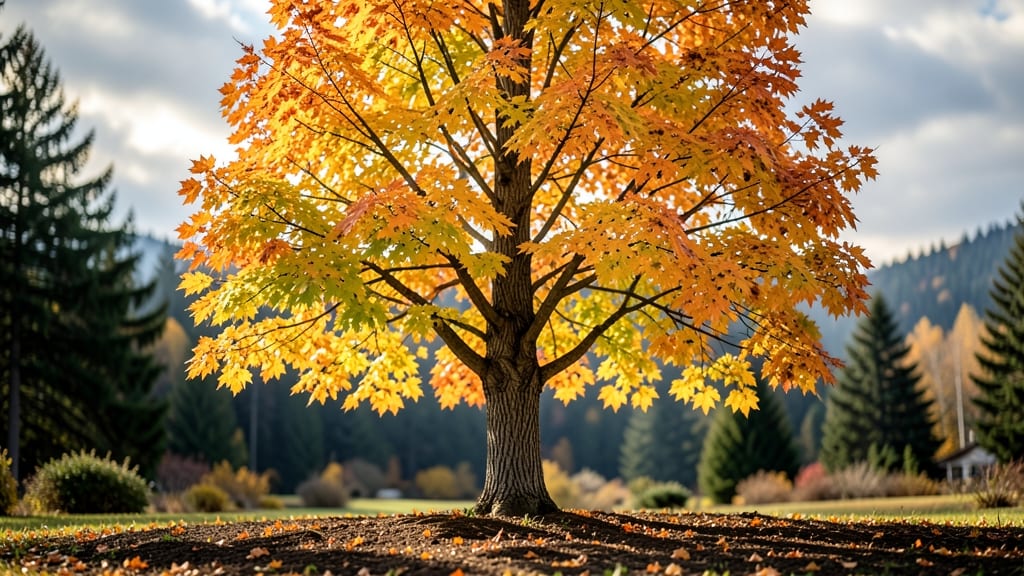
What tree has yellow leaves in the fall? The answer isn’t just pretty—it’s a spectacular sign your tree is thriving. 🌿 The Ginkgo biloba stands out with its golden-yellow foliage that lasts weeks, while sweetgum trees and tulip poplars turn entire neighborhoods into fireworks displays. These trees don’t just survive autumn—they shine in it.
Most of these trees need full sun to partial shade and well-draining soil, but the real secret is pruning in late winter. Cut back dead branches and thin crowded areas to let light reach the inner leaves—this boosts color intensity.
A little extra water during dry spells keeps foliage vibrant longer too.
Imagine walking past your home in October and seeing bright yellow cascades where neighbors have brown. Ginkgos stay disease-resistant, sweetgums handle humidity, and tulip poplars grow fast—perfect for quick impact. The best part? These trees work in urban yards, large estates, or even containers for small spaces.
For maximum drama, plant a mix of species—Ginkgos for structure, sweetgums for height, and tulip poplars for fast growth. Just avoid over-fertilizing in fall, or you’ll dull those golden hues. Now go find your perfect autumn star!
The Science Behind Fall Foliage
Autumn’s golden canopy isn’t just a picturesque backdrop—it’s a biological masterpiece driven by nature’s chemistry. When trees like maples, aspens, and birches transform into fiery shades of yellow, orange, and red, they’re following a carefully choreographed process. Let’s break down the real reasons behind this seasonal spectacle.
The vibrant green of summer leaves comes from chlorophyll, a pigment that captures sunlight for photosynthesis. But as daylight shortens and temperatures drop, trees sense the shift toward winter. They stop producing chlorophyll, allowing other pigments—already present but hidden—to shine through.
- Xanthophylls (yellow pigments): These compounds are always in leaves but get masked by chlorophyll. When green fades, they dominate, creating sunny yellows (think quaking aspen or honey locust).
- Carotenoids (orange hues): Found in fruits and veggies, these pigments also contribute to autumn colors, especially in trees like sweetgums or sumacs.
Pro Tip: 🌡️ Cooler nights and warm days (like 50–70°F) trigger the best color changes—too early frost or heat can dull the show.
Not all fall leaves turn yellow—some blaze red or purple thanks to anthocyanins, antioxidants produced in response to stress. These pigments form when:
- Sugar gets trapped in leaves (from photosynthesis slowing down).
- Sunlight and cool temps spark chemical reactions.
Trees like red maples, black gum, and Japanese maples owe their fiery hues to anthocyanins. Fun Fact: The brighter the red, the healthier the tree—it’s nature’s way of signaling vitality!
Before shedding leaves, trees reclaim nutrients like nitrogen and phosphorus to survive winter. This process, called senescence, creates a "traffic jam" in the leaf veins:
- A cork layer forms at the leaf stem, sealing off nutrients.
- Leaves turn brown or yellow as they dry out.
- The tree drops them to conserve energy.
Ever notice yellow leaves on evergreens? They’re often a sign of stress (like drought or disease), not normal senescence—evergreens keep their needles year-round!
Next time you see a golden grove, remember: it’s not just pretty—it’s science in action. The right tree, soil, and weather can turn your yard into a fall foliage hotspot. Ready to spot the stars of the season? Check out our top picks for yellow-leafed trees!
Revitalize Your Tree’s Fall Colors
If your tree’s leaves are turning yellow prematurely—or not at all—don’t panic! With the right care, you can restore vibrant autumn hues and keep your tree healthy for years to come.
Below, we’ve broken down the most common causes of dull or early yellowing and provided practical, step-by-step solutions to bring back that stunning fall foliage. Plus, we’ll share prevention tips to avoid future disappointments.
Yellowing leaves often signal a lack of essential nutrients. Here’s how to diagnose and treat the issue:
#### 🔥 Identify the Problem - Even yellowing (no brown edges): Likely a nitrogen deficiency. - Yellow with brown edges: Could be potassium or magnesium. - Pale yellow, new growth weak: Possible iron or zinc deficiency. #### 🍳 Apply the Right Fertilizer - For nitrogen: Use a balanced fertilizer (10-10-10) or compost in early fall. Spread a 2-3 inch layer around the tree’s drip line (the area where branches extend) and water thoroughly. - For potassium/magnesium: Apply a potassium-rich fertilizer (like 0-0-50) or use Epsom salt (magnesium sulfate) by dissolving 1 tablespoon per gallon of water and spraying the soil. - For micronutrients (iron/zinc): Use a chelated iron or zinc supplement (available at garden centers) and follow package instructions for application. #### 👨🍳 Boost Soil Health - Mulch properly: Add 2-4 inches of organic mulch (like wood chips or shredded leaves) around the base of the tree, keeping it 6 inches away from the trunk. This retains moisture and slowly releases nutrients. - Aerate compacted soil: If the soil feels hard, use a garden fork to loosen it in the root zone. This helps roots absorb nutrients better. #### 💡 Pro Tip:Test your soil first! Many garden centers offer DIY soil test kits ($10–$20) to identify exact deficiencies. This saves time and money by targeting the right amendments.
Overwatering or underwatering can stress trees, leading to yellow leaves. Here’s how to get it right:
#### ⏰ Check Your Watering Schedule - Too much water: Yellow leaves with mushy stems or fungal growth at the base? Your tree may be drowning. Let the top 2-3 inches of soil dry out between waterings. - Too little water: Dry, crispy yellow edges? Water deeply 1–2 times per week (more in extreme heat) until the soil is moist 6 inches down. #### 🌡️ Improve Drainage - If your tree sits in a low spot where water pools, create a slight slope (1–2 inches over 3 feet) away from the trunk using soil or mulch. - For container-grown trees, ensure pots have drainage holes and use a well-draining potting mix. #### 🎯 Deep Watering Technique - Use a soaker hose or drip irrigation to water slowly at the base for 30–45 minutes, 2–3 times per week. This encourages deep root growth, which improves nutrient uptake.Pests like spider mites, aphids, or fungal infections (e.g., anthracnose) can cause yellowing and premature leaf drop. Act fast with these solutions:
#### 🔪 Inspect for Pests - Check leaves for tiny webs (mites), sticky residue (aphids), or holes (caterpillars). Shake a branch over a white sheet to spot pests. - Scrape bark gently to look for sawdust-like frass (insect droppings) or oozing sap (sign of borers). #### 🍎 Natural Remedies - Neem oil spray: Mix 1 tablespoon neem oil + 1 teaspoon mild soap in 1 quart of water. Spray leaves thoroughly every 7–10 days until pests are gone. - Horticultural oil: Apply in early spring or late fall to smother overwintering eggs (follow label rates). - Beneficial insects: Introduce ladybugs or lacewings to your garden—they eat aphids and mites! #### 🌡️ Treat Fungal Issues - Prune infected branches (cut 6 inches below the damage) and sterilize pruners with rubbing alcohol between cuts. - Apply fungicide: Use a copper-based fungicide or baking soda spray (1 tablespoon baking soda + 1 quart water + a few drops of soap) for mild cases. #### ✨ Prevention Tip:Keep your tree stress-free—healthy trees resist pests better! Water consistently, avoid compacting soil around the roots, and prune in late winter/early spring (not fall) to minimize disease risk.
Want your tree to put on a showstopping autumn display every year? Follow these preventative habits:
- 📊 Prune strategically: Remove dead, crossing, or crowded branches in late winter to improve airflow and sunlight penetration. - 💪 Feed the roots: Apply a slow-release fertilizer in early spring and again in early summer to build nutrient reserves for fall. - 🍂 Rake wisely: Leave fallen leaves near the tree’s base (they decompose into natural mulch) but remove thick mats that can suffocate roots. - 🌡️ Monitor weather: Protect young trees from late-season frost with burlap wraps or row covers if your area has unpredictable fall temperatures.With these solutions, your tree should bounce back with richer green leaves in summer and brighter fall colors. Start with one fix (like testing soil or adjusting watering), then tackle others gradually.
Before you know it, your yard will be the talk of the neighborhood—thanks to that perfect autumn palette! 🍂✨
Frequently asked questions
Which trees have the brightest yellow fall leaves?
The Ginkgo biloba (maidenhair tree) is famous for its golden-yellow foliage that stays vibrant for weeks. Other top performers include quaking aspen (with its fluttering golden leaves), honey locust (disease-resistant and fast-growing), and tulip poplar (which turns golden-yellow before dropping). For small spaces, consider the dwarf goldenrain tree—it delivers bright yellow cascades in compact form.
Why do some trees turn yellow while others turn red in fall?
Yellow comes from xanthophylls (pigments always present but hidden by green chlorophyll). Red hues appear when anthocyanins form—these antioxidants develop in response to sunlight and cool weather. Trees like maples or black gum produce red leaves when sugar gets trapped in leaves during autumn's temperature swings. The brighter the red, the healthier the tree!
Can I plant yellow-leafed trees in shady areas?
Most vibrant yellow-leafed trees need full sun to partial shade (at least 4-6 hours of sunlight daily)**. Exceptions include the Japanese maple (which tolerates light shade) and dwarf fothergilla (great for understory planting). For shady spots, focus on trees like serviceberry or witch hazel, which handle lower light better while still offering golden fall colors.
How do I make my tree's fall colors more intense?
Start by pruning in late winter to improve airflow and sunlight penetration. Water consistently (but not excessively) during dry spells, and apply a balanced fertilizer in early spring to build nutrient reserves. Avoid over-fertilizing in fall—too much nitrogen dulls colors. For maximum impact, plant trees with complementary fall hues (like yellow ginkgo paired with red maples).
Are there any yellow-leafed trees that work well in containers?
Yes! The dwarf goldenrain tree (Celtis 'Pendula') thrives in pots and turns brilliant yellow in fall. Other container-friendly options include dwarf ginkgo (like 'Mariken') and Japanese maple varieties (such as 'Bloodgood'). Use well-draining potting mix and ensure containers have drainage holes. Remember to water container trees more frequently—they dry out faster than in-ground plants.