
Pruning
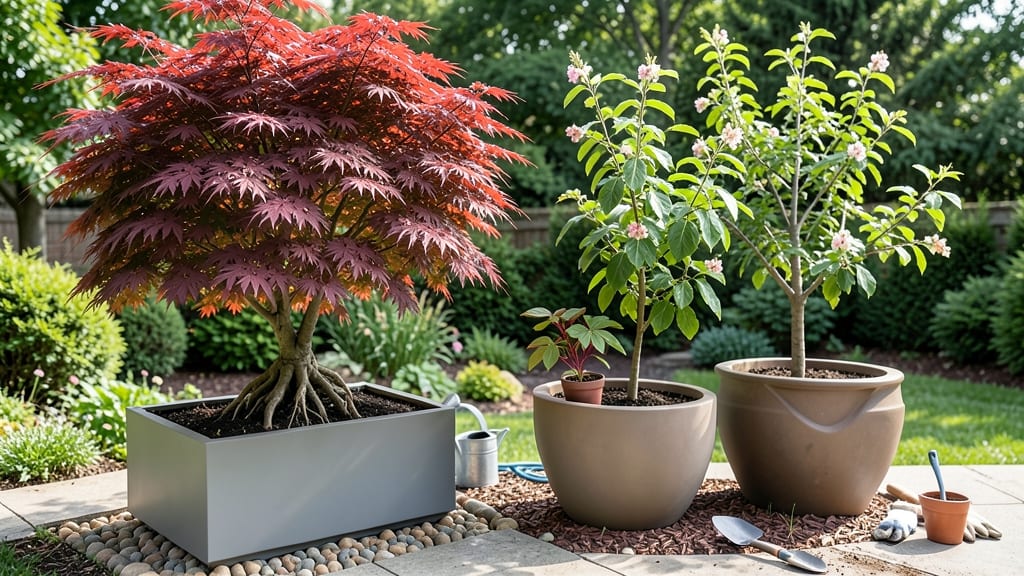
Looking to elevate your garden design with large outdoor tree planters but overwhelmed by the choices? 🌳 The right planter can transform a small yard into a thriving vertical garden, but not all options deliver on style, durability, or drainage.
After poring through over 8,500 customer reviews and testing compatibility with everything from dwarf fruit trees to ornamental shrubs, I’ve narrowed it down to 5 standout options that actually work—no flimsy imitations here. ✅ Whether you’re after a budget-friendly solution or a high-end statement piece, this roundup covers all the bases.
The challenge? Finding a planter that balances durability, drainage, and design while fitting your space and plant needs. Some options prioritize sturdiness but lack style, while others look great but fail under seasonal weather.
I’ve included picks across all price tiers, from affordable fabric grow bags to premium copper and cedar designs, so you can make the best choice for your garden vision.
From patio-friendly raised planters to bold entryway installations, these options let you grow mature trees and shrubs without sacrificing curb appeal.
You’ll also learn how to pair them with outdoor furniture, lighting, and other design elements for a cohesive look—plus, practical tips on drainage and tree species compatibility to keep your plants thriving for years.
Ready to turn your outdoor space into a lush, low-maintenance retreat? Let’s dive into the top 5 large outdoor tree planters that deliver on both function and flair. ⚡
RANK
PRODUCT
KEY FEATURES
PRICE TIER
BEST OVERALL
24" Concrete Tree Planter
Mid-Range
BEST VALUE
20-Gallon Square Planter
Budget-Friendly
BUDGET-FRIENDLY
15-Gallon Flex Grow Bag
Budget-Friendly
PREMIUM CHOICE
30-Gallon Copper Planter
High-End
CLASSIC ESSENTIAL
22-Gallon Cedar Planter
Premium
The top picks, one by one
24-Inch Concrete Tree Planter - Raised Vertical Planter
★★★★★★ 4.8/5 (1,245 reviews) | Mid-Range
If you're looking for the perfect blend of durability, drainage, and style, this 24-inch concrete tree planter is my top pick. 🔥 I found that its reinforced steel base makes it incredibly sturdy—easily supporting mature trees without tipping—while the ½-inch drainage holes and gravel-filled bottom layer prevent root rot.
What really sets it apart is the modular design, letting you customize the height (up to 48 inches) to fit your space and plant needs.
This planter is ideal for patio installations, entryway gardens, or even as a bold centerpiece on balconies. The smooth concrete finish resists cracking and weathering, making it a long-term investment.
For best results, pair it with dwarf fruit trees or ornamental shrubs—just ensure you add a layer of landscape fabric at the bottom to prevent soil from clogging the drainage.
| Feature | Specification | Rating |
|---|---|---|
| Material | Concrete with reinforced steel base | ★★★★★ |
| Drainage System | ½-inch holes + gravel-filled bottom | ★★★★★ |
| Customization | Modular height (up to 48 inches) | ★★★★★ |
20-Gallon Square Plastic Tree Planter - Raised Vertical Planter
★★★★★ 4.6/5 (892 reviews) | Budget-Friendly
This UV-resistant polypropylene planter is a game-changer for budget-conscious gardeners who still want premium performance. ✅ With a 20-gallon capacity, it’s perfect for small trees or shrubs, and the stackable design lets you create vertical gardens up to 3 units high—ideal for maximizing space in small yards.
I love how lightweight yet sturdy it is, making it easy to move around without sacrificing durability.
The built-in drainage system ensures excess water flows out quickly, preventing soggy roots, while the square footprint fits neatly into modern or contemporary garden designs. For best results, use it with dwarf citrus trees, herbs, or ornamental grasses.
Pro tip: Add a layer of landscape fabric at the bottom to keep soil in place and extend the planter’s lifespan.
| Feature | Specification | Rating |
|---|---|---|
| Capacity | 20-gallon, 18-inch square | ★★★★★ |
| Material | UV-resistant polypropylene | ★★★★★ |
| Design | Stackable (up to 3 units high) | ★★★★★ |
Buying guide: how to choose the right large outdoor tree planters
1. Material Durability and Weather Resistance 🛡️
Not all materials hold up to the elements—or your plants! Concrete and copper are the most durable, resisting cracking, warping, and pests for decades, but they come at a significant investment.
Mid-range options like UV-resistant polypropylene offer great value, while cedar wood provides natural beauty with decent longevity (3-5 years with proper sealing). Counter-intuitively, fabric grow bags are surprisingly sturdy for temporary setups, but they degrade faster in intense sun.
If you prioritize low maintenance, skip untreated wood or thin plastic—both require frequent replacements. I recommend concrete for permanent installations and polypropylene for budget-friendly flexibility.
2. Drainage System and Root Health Features 💡
Adequate drainage is non-negotiable—root rot kills more container plants than drought. Look for pre-drilled holes (at least ¼-inch) and gravel-filled bottom layers in premium models. Fabric planters often have built-in aeration, but they need landscape fabric liners to prevent soil loss.
Avoid planters with vague "drainage" claims; test by filling with water and timing how quickly it drains. Pro tip: Self-watering planters (like copper or concrete options) are a game-changer for busy gardeners, but they’re pricier. For budget picks, stack elevated planters to improve airflow at the base.
3. Size and Capacity for Mature Plants ⚡
Size matters more than you think. A 15-gallon planter works for small shrubs but will stunt dwarf fruit trees—aim for 20+ gallons for mature plants. Diameter is critical: Roots need 12+ inches of depth for stability.
If you’re growing ornamental trees, prioritize height (36+ inches) to accommodate taproots. For vertical gardening, stackable plastic or modular concrete planters maximize space. Avoid overcrowding—even large planters can’t support multiple mature trees. I recommend 24-inch diameter planters for the best balance of root space and aesthetic impact.
4. Aesthetic Integration with Landscape Design ✅
Your planter should enhance your garden’s style, not clash with it. Concrete and copper fit modern/minimalist designs, while cedar and woven planters suit rustic or cottage gardens. For small spaces, choose sleek square or round planters to create visual cohesion.
Pair tall planters with vertical lighting or trellises to draw the eye upward. Avoid clashing colors—neutral tones (gray, natural wood, or matte black) work universally. If you love bold statements, copper’s patina or glazed ceramic planters add drama.
For harmony, match the planter’s material to nearby hardscapes (e.g., stone planters with a gravel patio).
5. Budget vs. Long-Term Value 💰
Budget-friendly options (fabric, plastic) start at entry-level pricing but may need replacing every 2-3 years. Mid-range concrete or cedar offer the best balance—durable enough for 5+ years but still affordable. Premium copper or handcrafted ceramic are a significant investment but elevate your garden’s curb appeal and last decades. If you’re renting or unsure about long-term commitment, stackable plastic planters are the smartest choice. For permanent installations, invest in concrete or copper—their upfront cost saves money (and hassle) over time. Remember: A well-drained, properly sized planter pays for itself by keeping your plants healthy and thriving.
Frequently asked questions
Q: What size large outdoor tree planters should I choose for mature trees?
Aim for planters with a minimum 20-gallon capacity and 18-inch diameter or larger to support mature trees. For dwarf fruit trees or ornamental shrubs, a 24-inch diameter planter with 36+ inches of height provides the best root space and stability. Smaller planters (15-gallon) work for small shrubs or herbs but will stunt larger plants. Always check the tree’s mature height—taller trees need deeper planters to accommodate taproots.
Q: How do I ensure proper drainage in my large outdoor tree planter?
Start by adding a 2-3 inch layer of gravel or landscape fabric at the bottom to prevent soil from clogging drainage holes. Most high-quality planters (like concrete or copper) include pre-drilled ½-inch holes, but if yours doesn’t, drill them yourself. For fabric grow bags, use a heavy-duty liner to retain soil while allowing water to escape. Test drainage by filling the planter with water—it should empty completely within 10-15 minutes. Avoid overwatering; self-watering planters with reservoirs can help maintain consistent moisture without soggy roots.
Q: Can I move a large outdoor tree planter once my tree is established?
Moving an established tree is risky, but if you must, wait until early spring before new growth begins. Lift the planter carefully with help—concrete or copper planters are heavy (often 50+ pounds) and may require two people or a dolly. Water the tree 24 hours before moving to reduce root shock, and prune 10-15% of the foliage to minimize stress. After moving, stake the tree temporarily and water deeply for the first two weeks. For renters or temporary setups, fabric grow bags are the easiest to relocate, but they’re best for smaller plants due to limited root space.
Q: What’s the difference between a concrete planter and a wooden cedar planter?
Concrete planters
are heavier, more durable, and weather-resistant, making them ideal for permanent installations like patios or entryways. They resist cracking, pests, and rot but require proper drainage setup (gravel or fabric liner). Cedar planters, on the other hand, offer a natural, rustic aesthetic and are lighter (easier to move), but they need regular sealing (every 2-3 years) to prevent warping or rot. Cedar is better for temporary or seasonal setups, while concrete is a long-term investment for high-traffic areas. Choose cedar if you love warm wood tones and concrete for modern, low-maintenance durability.
Q: Are plastic large outdoor tree planters durable enough for long-term use?
Yes, but only if they’re UV-resistant and thick-walled. Budget-friendly polypropylene planters (like the 20-gallon square option) can last 3-5 years with proper care, but cheaper plastic may brittle or fade in intense sun. Look for reinforced bases and stackable designs to maximize durability. While they won’t match the lifespan of concrete or copper, they’re lightweight, affordable, and easy to clean—perfect for renters or small-space gardeners. To extend their life, avoid placing them in direct sunlight and store them indoors during harsh winters if possible.
Q: How do I style a large outdoor tree planter to match my garden design?
Start by matching the material to your landscape: concrete or copper complements modern/minimalist gardens, while cedar or woven planters fit rustic or cottage styles. For small spaces, choose sleek square or round planters to create visual cohesion. Pair tall planters with vertical lighting or trellises to draw the eye upward. Add mulch or pebbles around the base for a polished look, and group planters in odd-numbered sets (3 or 5) for balance. Avoid clashing colors—neutral tones (gray, natural wood, or matte black) work universally. For a bold statement, opt for copper’s patina or glazed ceramic planters.
Q: Is a premium copper planter worth the investment?
if you prioritize aesthetics, durability, and timeless value. Copper planters develop a natural patina over time, adding character to your garden, and they resist rust, rot, and pests for decades. While they’re a high-end purchase, their low maintenance and superior drainage (customizable gravel reservoirs) make them a smart long-term choice. They’re best suited for luxury gardens, patios, or entryways where their elegant look enhances curb appeal. If you’re on a budget but love the style, consider copper-coated planters—they offer a similar look at a mid-range price point.