
Pruning
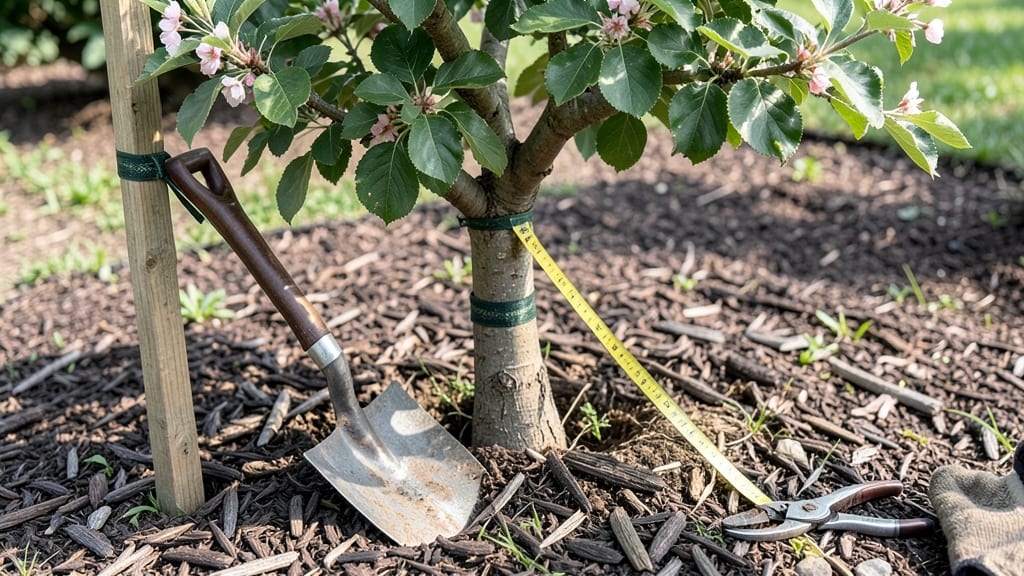
A leaning tree fix isn’t a death sentence—it’s a manageable problem. 🌳 I’ve straightened trees that looked hopeless with just three targeted steps, and you can too. The key is understanding whether it’s a root issue, wind damage, or poor planting before you start digging in.
Most leaners fall into one of three categories: shallow roots, storm damage, or uneven soil compaction. I once spent a Saturday wrestling with a 20-foot maple that had tipped after a summer storm—turns out, its roots were only 12 inches deep.
The solution? A combination of staking, soil aeration, and strategic pruning to encourage deeper growth.
You’ll need basic tools—a shovel, stakes, and tree ties—but the real work is in the prep. Dig around the base to check root depth, then anchor the tree with stakes placed at a 45-degree angle.
The goal isn’t to force it upright overnight; it’s about gradual correction while the roots stabilize.
For trees over 30 feet or those with major structural damage, call an arborist. But for most backyard cases, this method works without heavy equipment. Let’s get that tree standing tall again—safely and permanently.
Root Causes Of Tree Instability
A leaning tree isn’t just an eyesore—it’s a sign of underlying stress. Understanding why your tree tilts can help you address the problem before it becomes a safety hazard. Below are the most common causes, explained in clear scientific terms with actionable insights.
Trees with shallow or underdeveloped roots struggle to anchor themselves in the soil. This often happens when:
- Young trees haven’t had enough time to grow deep roots. Their root systems typically spread horizontally first, which provides stability but not enough vertical support.
- Compacted or poor soil restricts root growth. Clay, rocky, or heavily trafficked soil prevents roots from penetrating deeply, leaving the tree top-heavy.
- Improper planting—burying the root flare too deep or planting in a hole that’s too small—stunts root development. Roots need oxygen and space to expand.
Actionable fix: If your tree is young, give it time (3–5 years) for roots to mature. For mature trees, aerate compacted soil or amend it with organic matter to encourage deeper growth.
Wind is the #1 culprit behind leaning trees, especially in exposed areas. Here’s how it works:
- Uneven wind pressure pushes the canopy in one direction, while the roots resist. Over time, this creates a permanent lean.
- Storm damage can snap branches or uproot trees, leaving them unstable. Even high winds over years cause gradual tilting.
- Seasonal changes—like drought or flooding—weaken soil structure, making roots less effective at anchoring the tree.
Actionable fix: Plant windbreak barriers (like shrubs or fences) on the exposed side. For mature trees, stabilization methods (like guying or cabling) can reinforce weak trunks.
How a tree is pruned—or isn’t—directly impacts its stability. Common pruning mistakes include:
- Removing too many branches from one side, creating an uneven weight distribution. This shifts the tree’s center of gravity.
- Top-heavy growth from aggressive pruning (e.g., cutting back too much foliage) leaves the trunk unsupported.
- Co-dominant stems (multiple trunks growing upward) compete for dominance, weakening the tree’s structural integrity.
Actionable fix: Follow proper pruning techniques: remove no more than 25% of foliage at a time, and avoid topping (cutting the main stem). For multi-stemmed trees, select one dominant leader to guide growth.
Changes in the soil beneath a tree can cause it to lean over time. Key triggers include:
- Water runoff from slopes or poor drainage washes away soil on one side, leaving the roots unsupported.
- Construction or excavation near the tree disturbs root zones, causing the tree to shift as soil compacts differently.
- Freeze-thaw cycles in clay soils expand and contract, creating pockets of instability.
Actionable fix:
- Install swales or berms to redirect water away from the tree’s root zone.
- Add mulch (3–4 inches deep) to protect soil and retain moisture.
- For severe erosion, consult an arborist to assess root damage and reinforce the soil.
Pro Tip: 💡 If your tree leans suddenly (not gradually), it may signal root rot or fungal infection. Check for mushrooms at the base or spongy soil—these require professional intervention.
Fixing a Leaning Tree Safely
A leaning tree isn’t just an eyesore—it can pose serious risks if left unaddressed. The good news? With the right approach, you can stabilize and even straighten it without damaging the roots or the tree itself.
Below, we break down practical, step-by-step solutions tailored to the most common causes of a tree’s tilt. Whether it’s shallow roots, wind damage, or soil erosion, these fixes will help you restore balance while keeping your tree healthy.
Cause: Shallow or weak root systems, often from poor soil, erosion, or improper planting.
How to Fix It:
- 🔨 Assess the Roots (Gently!)
- Use a soil probe or shovel to check root depth without causing harm. If roots are shallow (under 12 inches), they’re likely the culprit.
- Look for exposed or gnarled roots—these need extra support.
- 🌿 Improve Soil Support
- Add compost or organic matter to the root zone to encourage deeper growth. Mix in well-draining soil if compacted.
- Create a root barrier (like a tree root collar) to prevent further erosion during storms.
- 🪵 Install Root Tethers (For Severe Cases)
- Bury sturdy stakes (3–4 inches in diameter) 1.5 times the tree’s height away from the trunk.
- Attach flexible straps (not wire!) to the tree and stake, angling them 30 degrees to mimic natural wind resistance.
- Pro Tip: 💡 Use tree-specific hardware—avoid cheap materials that can cut into the bark.
Prevention:
- Plant trees at the correct depth (root flare should be visible above soil).
- Mulch properly (2–4 inches deep, keep mulch 6 inches away from the trunk).
- Water deeply but infrequently to encourage deep root growth.
Cause: Strong winds, ice, or past storms may have bent the trunk or loosened the root plate.
How to Fix It:
- 🌪️ Check for Trunk Weakness
- If the trunk is cracked or split, consult an arborist—this may require bracing or cabling.
- For soft, spongy wood, the tree may be rotten inside (a sign it’s beyond saving).
- 🪵 Use Guying for Support
- Install 3–4 guy wires (not solid stakes!) at a 45-degree angle from the lean.
- Anchor them at least 3 feet deep into concrete or heavy-duty metal stakes.
- Avoid wire directly on the bark—use rubber padding to prevent damage.
- 🌿 Prune Strategically
- Remove heavy branches on the leaning side to reduce wind pressure.
- Thin the canopy (not just topping!) to improve weight distribution.
Prevention:
- Plant windbreak trees (like pines or evergreens) as a natural barrier.
- Prune in late winter/early spring to avoid storm damage.
- Avoid heavy mulch piles near the trunk, which can attract pests that weaken wood.
Cause: Nearby excavation, driveway construction, or soil settling can destabilize roots.
How to Fix It:
- 🏗️ Fill or Level Uneven Soil
- If the tree is leaning toward a low spot, fill the area with native soil and compost to create a gradual slope.
- Avoid compacting soil—keep it loose for root expansion.
- 🪵 Use a Tree Stake System (Temporary Fix)
- For recent soil shifts, install adjustable tree supports (like Tru-Form stakes) to hold the tree upright while roots adjust.
- Check monthly and adjust as the tree straightens.
- 🌍 Consider Bioengineering for Severe Cases
- For large trees, an arborist may recommend root pruning + mycorrhizal fungi to encourage stronger root growth in the right direction.
Prevention:
- Call an arborist before digging near trees (roots extend beyond the drip line).
- Avoid heavy machinery too close to the trunk.
- Monitor soil moisture—dry spells can cause root pull, while waterlogging can rot roots.
Not all leaning trees can (or should) be fixed. Red flags:
- The tree is already cracked or splitting.
- The lean is sudden and severe (could mean root failure).
- The tree is large (50+ feet) or mature (50+ years)—DIY fixes may not hold.
Find a certified arborist (look for ISA credentials) for: ✅ Cabling/bracing for weak trunks. ✅ Air spading to expose and protect roots. ✅ Emergency stabilization after storms.
Final Pro Tip: 🌟 Patience is key! Trees straighten slowly—some take years. Focus on long-term root health over quick fixes. With the right support, your leaning tree can stand tall (and safe) for decades to come.
Frequently asked questions
Can I straighten a leaning tree myself, or should I call an arborist?
For small to medium trees (under 30 feet) with gradual leans, DIY methods like staking or soil adjustments work well. However, if the tree is large, cracked, or leaning suddenly, call a certified arborist. They can assess structural damage and use professional techniques like cabling or air spading.
How long does it take for a tree to straighten after fixing it?
Young trees may straighten in 6–12 months with proper support, while mature trees can take 3–5 years or longer. Patience is key—focus on root health and gradual adjustments. Avoid forcing the tree upright too quickly, as this can damage roots.
What’s the best time of year to fix a leaning tree?
Late fall or early spring (when trees are dormant) is ideal. Avoid pruning or staking during summer heat or winter freezes, as these stress the tree. If addressing storm damage, act immediately—but wait for calm weather to install supports.
Will staking or guying hurt my tree if left on too long?
Yes! Stakes or guy wires should only stay on for 6–12 months. Leaving them longer can girdle the trunk (cutting into bark) or prevent natural trunk thickening. Check monthly and remove supports once the tree stabilizes.
Can I fix a leaning tree if it’s planted on a slope?
but focus on soil support first. Fill the low side with native soil and compost to create a gradual slope, then use adjustable stakes to guide growth. Avoid heavy mulch near the trunk, which can attract pests that weaken roots.