
Plants
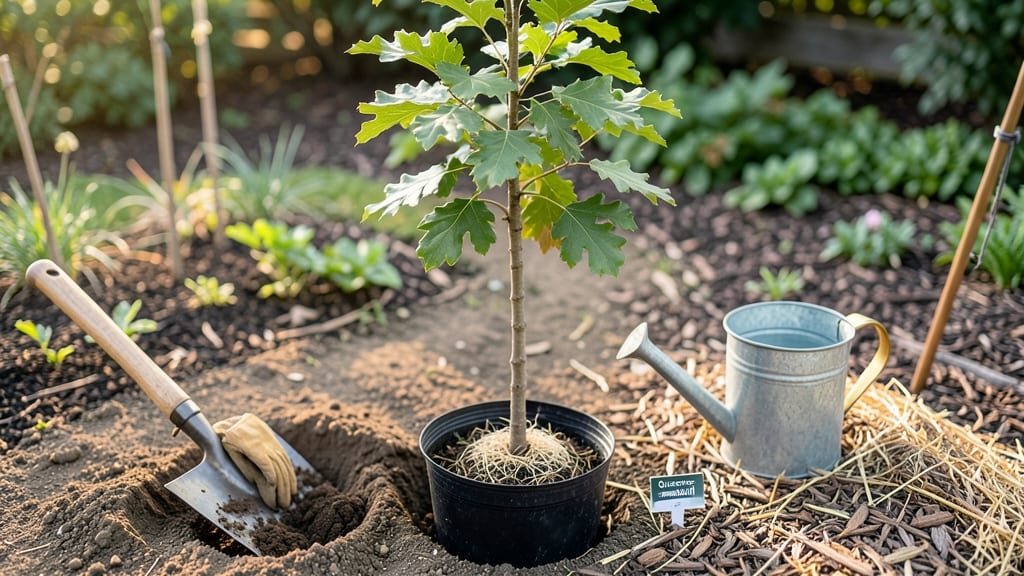
Planting a tree in Colorado at the right time means the difference between a thriving 🌳 and one struggling to survive—so timing is everything.
If you’ve ever watched a sapling wither under late spring frost or drown in summer’s heat, you know how critical the window is. Colorado’s USDA Zones 5-7 and microclimates—from the Front Range to the Western Slope—demand precision, not guesswork.
Below, I break down the ideal months for planting by zone, the best soil prep for your tree type, and the one mistake that kills more Colorado trees than drought ever will.
You’ll leave here with a clear planting schedule, species recommendations for your hardiness zone, and the confidence to pick the perfect moment for your new tree.
Best months to plant trees in Colorado by hardiness Zone
Colorado’s diverse hardiness zones (4-7) create unique challenges for tree planting. Whether you're in Denver’s Zone 5 or Grand Junction’s Zone 7, timing your tree planting correctly ensures strong root establishment before extreme temperatures arrive.
The best months are early spring and fall, but the exact window varies by zone and elevation.
In Zone 4 (eastern plains, high mountains), late frosts can linger until mid-April, so aim to plant bare-root trees in March or container-grown trees by early May.
For Zone 7 (southwestern Colorado), the extended growing season allows planting until late October, but avoid summer heat stress. Fall planting is ideal for most zones because cooler temps reduce transplant shock.
Here’s a quick reference for Colorado’s planting windows by zone:
For Zone 4 gardeners, early spring planting (March) gives roots time to establish before summer heat. In Zone 7, fall planting (September-October) avoids the intense summer sun.
Always check your local last frost date—Colorado’s can vary by 1-2 weeks even within the same city due to elevation changes.
Container-grown trees can be planted 1-2 months later than bare-root varieties because their root systems are less delicate. For example, in Zone 5, you can plant container-grown trees until mid-June, but bare-root trees should be in the ground by early May.
This flexibility makes container-grown trees a great option for urban gardeners with limited time.
Soil temperature is just as critical as air temperature. Use a soil thermometer to confirm the ground is above 50°F before planting in spring. In fall, aim to plant 4-6 weeks before the first frost—this gives roots time to anchor before dormancy.
For Zone 6 and 7, this often means late September or early October.
Native trees like Colorado Blue Spruce or Quaking Aspen thrive when planted in their optimal windows. Non-native species, such as London Plane Trees, may need extra care in Zone 4 due to cold sensitivity.
Always research your tree’s hardiness range—some varieties can handle Zone 3 while others max out at Zone 6.
Mulching is a non-negotiable step for Colorado’s dry climate. Apply 3-4 inches of mulch around the base of your tree (but keep it 6 inches away from the trunk) to retain moisture and regulate soil temperature.
In Zone 7, mulch helps combat summer heat, while in Zone 4, it insulates roots from winter freeze-thaw cycles.
Watering strategies differ by season. In spring, deep watering once a week encourages root growth, while summer requires bi-weekly deep watering to combat drought. Fall watering should taper off as temperatures drop, but don’t let the soil dry out completely before dormancy.
Use a soaker hose to deliver water directly to the root zone without wasting moisture.
If you miss the ideal planting window, don’t panic. Many trees can be planted in late spring or early fall with extra care—just be prepared for slower initial growth.
For Zone 5 and 6, May and early June are secondary planting months, but prioritize watering and shade to protect young trees from stress.
How Colorado’s microclimates affect tree planting timing
Colorado’s dramatic elevation changes and urban heat islands create distinct planting windows that can vary by hundreds of miles. In Denver (Zone 5), for example, soil warms enough for planting by mid-April, while Grand Junction (Zone 7) can start as early as February.
These differences mean your ideal planting month might be disastrous for a neighbor just 200 miles away.
Mountainous regions like Aspen (Zone 4) face late spring frosts that delay planting until May, while urban heat islands in cities like Colorado Springs can extend fall planting into October. Understanding these microclimates helps you avoid root shock from temperature swings or drought stress.
Soil temperature is your best guide—aim for 50°F (10°C) at 6 inches deep. In high-altitude areas, this may not occur until late May, while lowland desert regions can reach it by March. Always check local frost dates from Colorado State University’s PlantTalk resources.
| Region | Zone | Spring Planting Window | Fall Planting Window | Key Challenge |
|---|---|---|---|---|
| Denver Metro | 5-6 | Mid-April to May 15 | September 15 to October 15 | Late frosts, urban soil compaction |
| Grand Junction | 7-8 | February 15 to March 31 | October 1 to November 15 | Water scarcity, heat stress |
| Aspen/Rockies | 4 | May 1 to June 15 | September 1 to October 1 | Short growing season, thin soil |
| Colorado Springs | 6 | March 15 to April 30 | September 15 to October 30 | Urban heat island effect |
| Eastern Plains | 5 | April 1 to May 10 | September 10 to October 10 | Wind exposure, drought |
Urban areas like Denver experience heat islands where pavement stores heat, allowing earlier fall planting than rural areas. However, compacted city soil drains poorly, so amend with compost and mulch to improve water retention.
In rural high-altitude zones, focus on drought-resistant species like Colorado Blue Spruce or Ponderosa Pine.
Water availability is another critical factor. Western Slope regions may face water restrictions during planting season, while Front Range cities can rely on municipal supplies. Always water deeply after planting—10-20 gallons for young trees—and avoid shallow watering that encourages weak roots.
For container-grown trees, fall planting is ideal in most zones, giving roots time to establish before winter. But in Zone 4 mountains, delay until late summer to avoid early frosts. Use burlap wraps or mulch rings to protect young trees from temperature swings in transitional zones.