
Pests and Diseases
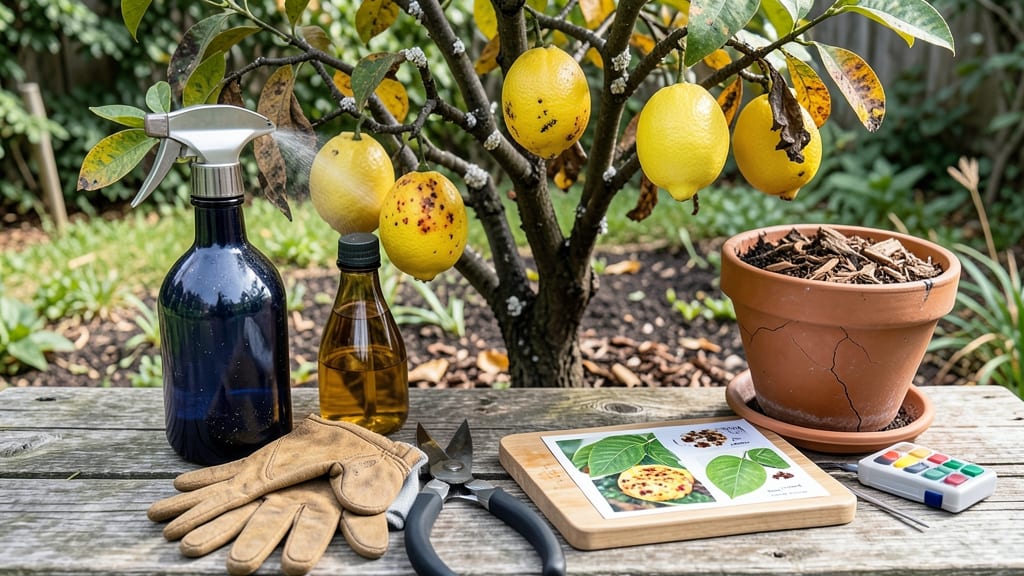
Your lemon tree’s sudden yellow leaves or oozing stems might mean fast disease treatment is your best shot at revival. 🌿 I’ve nursed back three lemon trees from fungal infections—citrus canker, root rot, and sooty mold—using a simple mix that stops the spread in days. The key?
Acting before the disease moves to the fruit. Most problems start with overwatering or poor airflow, but even healthy trees get hit by spores in the air.
My go-to mix combines copper fungicide, neem oil, and baking soda—it’s organic, works within 7-10 days, and won’t burn your tree like harsh chemicals. You’ll see new growth within weeks if you catch it early.
What you’ll end up with is a tree that looks shockingly lush again—no more blackened stems or wilted leaves. The fruit stays safe to eat, and the tree regains its vigor for next season’s harvest. Prevention is easier than cure, but this mix is your backup when things go wrong.
Works for citrus canker, root rot, and sooty mold—the most common lemon tree diseases. Let’s get your tree back to thriving.
Root Causes Behind Sick Trees
When your lemon tree starts showing signs of distress—yellowing leaves, black spots, or stunted growth—it’s often a cry for help from deep within its system. Understanding why these issues arise is the first step to saving your citrus tree.
Below, we break down the most common culprits, explained in simple, science-backed terms so you can take action fast.
Fungi thrive in warm, humid conditions, making citrus trees prime targets. The most common fungal diseases include citrus scab, melanose, and anthracnose. These pathogens enter through wounds, leaves, or even the soil, spreading spores that disrupt photosynthesis and nutrient uptake.
- Citrus Scab: Caused by the fungus Elsinoë fawcettii, this disease creates rough, corky lesions on leaves and fruit. It spreads rapidly in wet conditions, clogging stomata (leaf pores) and starving the tree of oxygen.
- Melanose: The fungus Diaporthe citri targets young leaves and fruit, causing dark, sunken spots. Severe cases lead to premature leaf drop and reduced fruit yield.
- Anthracnose: Colletotrichum species cause dark, sunken lesions that ooze in wet weather. This disease thrives in high humidity and poor air circulation.
Why it happens: Overhead watering, dense foliage, and stagnant air create the perfect fungal buffet. Fungal spores linger in old plant debris, so neglecting cleanup only worsens the problem.
Pests like aphids, scale insects, and spider mites weaken lemon trees by draining sap, leaving behind sticky honeydew that attracts sooty mold—a secondary fungal infection. These critters also transmit viruses, compounding the damage.
- Aphids: Tiny, pear-shaped insects cluster on new growth, injecting toxins that cause curled leaves and stunted shoots. Their honeydew fosters black sooty mold, blocking sunlight.
- Scale Insects: Armored or soft-bodied scales attach to branches and leaves, sucking nutrients. Infestations lead to yellowing leaves, wilting, and even tree death if untreated.
- Spider Mites: Microscopic arachnids thrive in dry heat, spinning webs and causing stippled, bronze-colored leaves. Severe infestations mimic drought stress.
Why it happens: Pests are drawn to stressed trees (drought, poor soil, or over-fertilization). Weakened defenses make citrus trees easy prey. Plus, many pests hitchhike on nursery plants or wind currents.
Lemon trees despise extremes—whether it’s overwatering (root rot) or underwatering (drought stress). Both disrupt nutrient absorption and invite secondary infections.
| Issue | Signs | Root Cause |
|---|---|---|
| Overwatering | Yellowing leaves, mushy stems, fungal growth at the base | Poor drainage + soggy soil = anaerobic conditions that suffocate roots and encourage Phytophthora (a deadly water mold). |
| Underwatering | Crispy leaf edges, wilting, leaf drop | Drought stress forces the tree to shut down stomata, halting nutrient transport. Weakened roots can’t fight off pathogens. |
Why it happens: Citrus trees need consistent moisture but hate “wet feet.” Containers without drainage holes or heavy clay soil trap excess water, while erratic watering cycles shock the root system.
Lemon trees are tropical at heart but can handle mild climates—until pushed too far. Extreme temperatures, poor airflow, and nutrient deficiencies create the perfect storm for disease.
- Heat Stress: Temperatures above 90°F (32°C) cause sunburn (white/yellow patches on leaves) and physiological leaf drop. Weakened leaves become entry points for fungal spores.
- Cold Damage: Freezing temps (<32°F/0°C) rupture cell walls, leading to blackened leaves and bark. The tree diverts energy to repair damage instead of fighting infections.
- Poor Airflow: Dense foliage or crowded trees trap humidity, creating fungal hotspots. Stagnant air also limits gas exchange, stressing the tree.
Why it happens: Citrus trees evolved in subtropical regions with moderate temperatures and breezes. Sudden climate shifts (like urban heat islands or frost pockets) throw them into survival mode. Poor pruning or planting too close to structures worsens airflow issues.
💡 Pro Tip: Most lemon tree diseases start as a combo of stress + opportunity. Fixing one issue (like improving drainage) can prevent a full-blown outbreak. Stay tuned for our next section on diagnosing symptoms and citrus-safe treatments!
How to Fix Your Lemon Tree
Reviving a diseased lemon tree starts with identifying the root cause—whether it’s fungal infections, bacterial rot, or pest damage—and taking targeted action. Below are practical, step-by-step solutions tailored to common citrus diseases, plus prevention tips to keep your tree thriving. No green thumb required—just follow the fixes below!
Fungal issues like citrus canker, melanose, or powdery mildew thrive in damp, warm conditions. Here’s how to stop the spread and restore health:
🔥 Step 1: Prune Infected Areas Immediately
- Use sterilized pruning shears (wipe with rubbing alcohol between cuts).
- Remove all yellowing, spotted, or mushy leaves/fruit—don’t leave them on the ground.
- Trim back to healthy green tissue (about ¼ inch above the infection).
- Dispose of pruned material in a sealed trash bag (not compost).
🍳 Step 2: Apply a Citrus-Safe Fungicide Mix
Mix 1 part baking soda + 1 quart water + a few drops of dish soap (as a surfactant) in a spray bottle. Why this works:
- Baking soda raises the pH, making the environment hostile to fungi.
- Dish soap helps the solution stick to leaves.
- Spray thoroughly (top and bottom of leaves) every 7–10 days until new growth appears.
Pro Tip: 💡 For stubborn cases, switch to a commercial fungicide like copper fungicide or neem oil (follow label instructions). Reapply after rain.
🌡️ Step 3: Improve Airflow & Reduce Moisture
- Space plants at least 6–8 feet apart (overcrowding traps humidity).
- Water at the base (avoid wetting leaves) and early in the day so foliage dries quickly.
- Mulch around the base (2–3 inches of straw or wood chips) to regulate soil moisture.
✨ Prevention for Next Season
- Sanitize tools before and after pruning.
- Avoid overhead watering—use drip irrigation or soaker hoses.
- Rotate fungicide types if diseases recur (fungi can build resistance).
Bacterial infections like citrus bacterial spot or blight cause oozing lesions and rapid leaf drop. These won’t respond to fungicides—you’ll need a different approach:
🔪 Step 1: Sterilize & Remove All Infected Parts
- Cut out blackened, oozing, or wilting branches—do not compost them.
- Burn or trash severely infected material (bacteria can survive in compost).
- Disinfect tools with bleach water (1:10 ratio) between cuts.
👨🍳 Step 2: Apply Copper-Based Bactericide
- Use a copper fungicide (like Bordeaux mixture or copper sulfate)—this is one of the few treatments that works on bacteria.
- Spray every 10–14 days until new growth appears.
- Wear gloves—copper can irritate skin.
🌱 Step 3: Adjust Soil & Watering
- Test soil pH—bacteria thrive in acidic soil (below 6.0). Aim for 6.0–7.0.
- Improve drainage—bacterial rot spreads in soggy soil.
Amend with sand or perlite if needed. - Water deeply but less often—let the top 1–2 inches of soil dry out between waterings.
🎯 Prevention Tips
- Rotate copper products with streptomycin (if available) to prevent resistance.
- Remove volunteer citrus plants (weeds can harbor bacteria).
- Avoid wounding the tree (use sharp tools for pruning).
Pests like aphids, scale, or citrus leaf miners weaken trees, making them more susceptible to disease. Here’s how to kick them out for good:
🔪 Step 1: Blast Off Pests with Water
- Spray pests directly with a strong stream of water (dislodges aphids, mites, and soft-bodied insects).
- Repeat every 3–4 days until infestation clears.
🍳 Step 2: Introduce Beneficial Insects or Neem Oil
- Ladybugs, lacewings, or parasitic wasps eat aphids and scale.
Buy them online or from garden centers. - Neem oil spray (1 tsp neem oil + 1 quart water + drop of soap) smothers pests and disrupts their life cycle. - Spray at dusk (avoids harming bees) and reapply after rain.
⏰ Step 3: Use Sticky Traps for Flying Pests
- Hang yellow sticky traps to catch whiteflies and leaf miners.
- Place traps near the tree’s canopy where pests congregate.
💡 Prevention for Long-Term Defense
- Inspect new plants before bringing them home (quarantine for 2 weeks).
- Remove fallen leaves (pests hide in debris).
- Encourage natural predators by planting marigolds or dill nearby.
No matter the cause, these quick fixes help your lemon tree bounce back faster:
- Fertilize lightly with a balanced citrus fertilizer (10-10-10) to boost immunity.
- Boost humidity (if your climate is dry) with a light misting around the tree (not on leaves).
- Monitor daily—catch new infections within 24 hours for the best results.
Final Reminder: 🌟 Prevention is easier than cure! Regular checks, proper spacing, and good hygiene (clean tools, removed debris) will keep your lemon tree disease-free for years.
Frequently asked questions
How do I tell if my lemon tree has a fungal disease vs. bacterial infection?
Fungal diseases often show up as powdery white coatings (like powdery mildew), black spots with fuzzy edges (anthracnose), or corky lesions (citrus scab). Bacterial infections, however, produce oozing, watery lesions that turn dark and crusty, often with yellow halos around them. The key difference? Fungi spread slowly with spores, while bacteria multiply rapidly and cause sudden wilting.
Can I use the same treatment for all lemon tree diseases?
No—fungal diseases respond well to baking soda sprays or copper fungicides, but bacterial issues require copper-based bactericides (like Bordeaux mixture). Pests need neem oil or insecticidal soap, while root rot demands improved drainage and hydrogen peroxide soil treatments. Always identify the problem first before treating!
How often should I spray my lemon tree with fungicide?
For prevention, spray every 7-10 days during humid seasons (spring/fall). If treating an active infection, apply every 5-7 days until new growth appears. Always reapply after heavy rain, as water washes treatments off leaves. Early morning spraying works best—it gives the solution time to dry before evening humidity sets in.
Is it safe to eat fruit from a treated lemon tree?
Yes, but with precautions! Organic treatments like neem oil, baking soda, or copper (when used correctly) are safe after the harvest interval (usually 7-14 days after last application). For chemical fungicides, wait 30 days before eating fruit. Always wash lemons thoroughly before use, and avoid spraying fruit directly when possible.
When should I call a professional instead of treating myself?
Consult an arborist if you see sudden wilting without visible pests, large areas of bark sloughing off, or if multiple treatments fail within 4-6 weeks. Severe cases like citrus greening disease or advanced root rot often require professional intervention. Don't wait—early consultation prevents tree loss in critical cases.