
Flowers
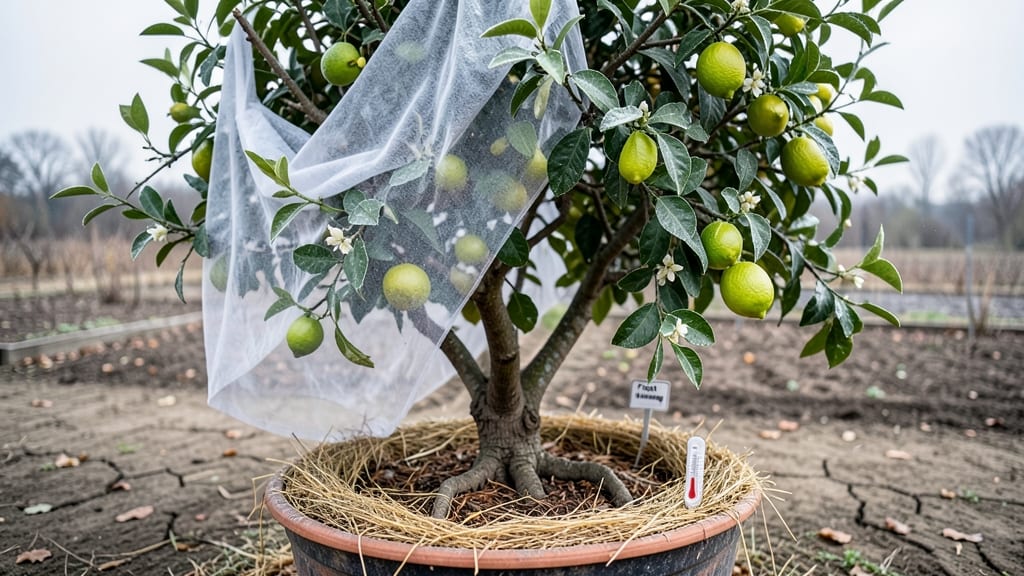
Lemon trees can handle surprisingly low temperatures if you pick the right variety and take a few smart precautions—some even survive brief dips below 20°F.
If you love fresh lemons but live in a colder climate, you don’t have to give up your dream of growing a lemon tree—just choose the right cold-hardy variety.
Most citrus trees wilt when temps drop below 30°F, but certain hybrids and Meyer lemons push those limits, making them perfect for gardeners in USDA Zones 8-10.
Below, I’ll cover the best frost-tolerant types, how to wrap and mulch for extra protection, and when to bring potted trees indoors before winter’s worst hits.
Best cold-hardy lemon tree varieties for low temperatures
Growing lemons in cold climates is absolutely possible with the right cold-hardy varieties. Native to subtropical regions, most lemon trees struggle below 20°F (-6°C).
However, certain varieties and hybrids have been selectively bred or adapted to tolerate brief freezing events or survive in USDA Zones 8-10 with proper care. The key is choosing a variety that matches your winter lows and implementing protective strategies.
Among the top performers, Meyer lemon trees stand out as the most cold-tolerant, often surviving down to 15°F (-9°C) for short periods. Traditional varieties like Eureka and Lisbon typically top out at 25°F (-4°C) without protection.
Hybrid varieties, like those developed at the University of California, push these limits even further with dwarf rootstocks that enhance cold resistance. For gardeners in Zone 7 or colder, these varieties—paired with winter protection—can yield fruit reliably.
Let’s compare the four most cold-resistant lemon varieties to help you select the best fit for your climate. Each has unique characteristics regarding temperature tolerance, fruit production, and growth habits. Understanding these differences will ensure you choose a lemon tree that thrives in your specific conditions.
The Meyer lemon is the undisputed champion for cold climates, thanks to its hybrid genetics that combine cold tolerance with sweet, juicy fruit. It’s also the most adaptable for container growing, making it ideal for gardeners in Zones 7-10 who can move pots indoors during extreme cold snaps.
The Improved Meyer Lemon takes this a step further, with roots developed to withstand 10°F (-12°C) temperatures, though it requires mulching and wind protection.
For those in warmer microclimates within colder zones, the Eureka and Lisbon varieties produce larger, classic lemons but are less cold-hardy. These varieties excel in Zones 9-11 and are the backbone of commercial lemon production.
However, with proper winter care, like wrapping the trunk and using burlap insulation, they can survive brief dips to 20°F (-7°C).
If you’re after ornamental value alongside fruit, consider the Ponderosa lemon. This hybrid boasts giant, textured fruit and a striking appearance, with a 20°F (-7°C) tolerance. While not as cold-hardy as Meyer varieties, its vibrant foliage and massive lemons make it a showstopper in landscapes and large containers.
It’s particularly well-suited for Zone 8 gardens with winter protection.
When selecting a variety, also consider your growing method. Container-grown lemon trees are far more flexible for cold climates because you can move them indoors or into a garage or sunroom during freezing nights.
In-ground plantings, on the other hand, benefit from mulching and windbreaks to moderate soil temperatures. For Zone 7 gardeners, the Meyer lemon in
How to protect lemon trees from freezing temperatures
Freezing temperatures can devastate lemon trees, but with the right strategies, you can safeguard your tree and enjoy fresh lemons year-round. Lemon trees are tropical plants that typically thrive in USDA zones 9-11, so gardeners in colder climates need proactive protection.
The key is combining mulching, insulation, and strategic relocation before winter sets in.
Even cold-hardy varieties like the Meyer lemon can suffer damage below 20°F (-6°C). Start preparing your lemon tree when nighttime temperatures drop below 40°F (4°C).
This gives you time to implement protective measures before a sudden frost hits. The sooner you act, the better your tree's chances of survival.
Step-by-Step Guide to Protecting Lemon Trees from Freezing
- Step 1: Mulch the Base - Apply 4-6 inches of organic mulch (straw or wood chips) around the tree's base. This insulates roots from freezing ground temperatures.
- Step 2: Wrap the Trunk - Use burlap or tree wrap to protect the trunk from cracking. Secure it loosely to allow airflow.
- Step 3: Cover Potted Trees - Move container-grown lemon trees to a garage or insulated shed. If outdoors, wrap pots in bubble wrap or frost blankets.
- Step 4: Use Frost Cloths - Drape frost cloth over the tree when temperatures drop below 32°F (0°C). Secure with stakes to prevent wind damage.
- Step 5: Install a Heating Source - Place a small Christmas light string around the tree's canopy for gentle warmth during extreme cold snaps.
- Step 6: Water Before Freeze - Give the tree a deep watering 2-3 days before expected frost. Moist soil insulates roots better than dry soil.
- Step 7: Emergency Frost Blanket - For sudden freezes, cover the entire tree with a heavy frost blanket and secure it tightly. Remove during the day if temperatures rise.
For gardeners in USDA zones 7-8, consider moving your lemon tree indoors during winter. A sunny sunroom or greenhouse with supplemental grow lights can keep your tree thriving.
If indoor space is limited, a large pot makes relocation easier. Just ensure the pot has drainage holes to prevent root rot.
Even with protection, some cold damage may occur. Watch for brown leaf edges or cracked bark in spring. Prune damaged branches back to healthy growth, and avoid fertilizing until new growth appears. Your lemon tree's resilience will surprise you with proper winter care!
Remember, prevention is easier than recovery. Start preparing your lemon tree for winter before the first frost warning. A little effort now means juicy lemons all year, even in colder climates. 🌱🍋