
Pruning
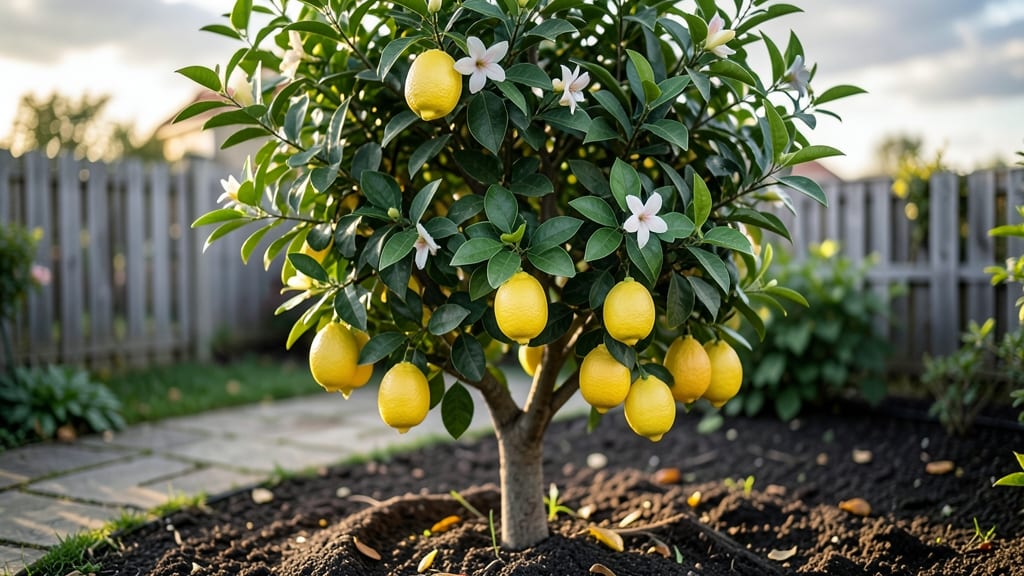
Growing lemon trees in North Carolina succeeds best with cold-hardy varieties like 'Meyer' or 'Eureka' planted in movable containers, since the state's USDA Zones 7-8b can't handle winter temperatures dropping below 20°F. Protect your tree with winter covers, ensure full sun exposure, and use well-draining soil for optimal growth.
North Carolina's unpredictable winters—especially those sudden freezes—make outdoor citrus cultivation risky without the right preparation. 🌳 The key is mobility: containers let you relocate trees to sheltered spots when frost warnings arrive. I've seen 'Meyer' lemons thrive in Zone 7a with proper winter care, while 'Eureka' varieties need extra insulation.
For best results, combine container growing with a thick mulch layer and a frost cloth during critical cold snaps.
Don't overlook microclimates—south-facing walls or sunny patios can add crucial warmth. Even in mild winters, young trees benefit from afternoon shade during summer's peak heat. The trade-off is worth it: homegrown lemons taste nothing like store-bought, with that bright, zesty punch you can't replicate from a bottle.
💡 In This Article
- North Carolina’s Climate Challenges for Lemon Trees
- Top Cold-Tolerant Lemon Tree Varieties for North Carolina
North Carolina’s climate challenges for lemon trees
North Carolina’s winters present a significant hurdle for lemon trees because most citrus varieties originate from subtropical climates where temperatures rarely dip below 25°F. The state’s USDA Zones 7-8b experience occasional freezes that can drop to 15-20°F, which triggers cold damage in citrus.
This occurs when ice crystals form in the tree’s cells, disrupting water flow and causing brown, mushy spots on leaves and fruit. The bark can also crack under freeze-thaw cycles, creating entry points for fungal infections.
Container growing solves this problem by allowing mobility—you can move potted trees to sheltered locations like garages or covered patios when frost warnings appear. The key is timing: relocate trees before temperatures drop below 35°F, as citrus roots are more sensitive to cold than the foliage.
For extra protection, wrap containers in 2-3 inches of bubble wrap or use frost blankets, which can raise soil temperatures by 5-10°F. 🌡️ Even with these measures, young trees may need temporary indoor lighting during winter to compensate for reduced daylight.
Microclimates play a crucial role in extending the growing season. South-facing walls, brick patios, or slopes absorb and radiate heat, creating pockets that are 5-10°F warmer than surrounding areas. Planting near these features can help citrus trees survive marginally colder winters.
Another strategy is using windbreaks—dense hedges or lattice fences reduce wind chill, which can make temperatures feel 10-15°F colder than actual readings. Mulching with 3-4 inches of pine straw also insulates roots by maintaining a more stable soil temperature.
Even with these precautions, some varieties handle North Carolina’s climate better than others. For example, 'Meyer' lemons (a hybrid) tolerate brief dips to 20°F when dormant, while traditional 'Eureka' lemons struggle below 25°F.
The difference lies in their genetic makeup: 'Meyer' lemons have thicker bark and smaller leaves that lose less moisture in cold air. This cold tolerance is why they’re the top recommendation for NC growers—though they may still need winter protection in the state’s northern regions.
One common mistake is assuming all citrus trees behave the same way in cold climates. In reality, their response depends on age, health, and variety.
A 3-year-old 'Meyer' lemon in a 15-gallon container might survive a 20°F night with proper care, while a 5-year-old 'Eureka' in the ground could suffer severe damage. Always monitor local weather forecasts and adjust your protection strategy accordingly—flexibility is the key to success in North Carolina’s variable climate. ❄️