
Pruning
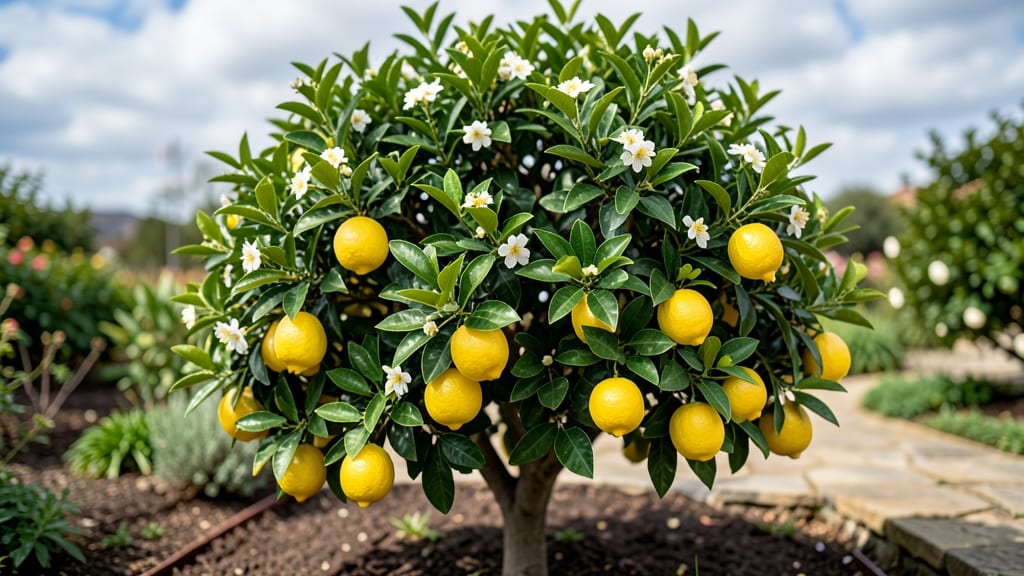
My Pomona lemon tree produces fruit year-round—no winter dormancy, no waiting for spring. 🌿 The secret isn't luck; it's pruning at the right times to balance growth and harvest. Most gardeners overlook this, but I've perfected the timing and technique after years of trial and error.
This isn't about hacking branches—it's about encouraging new growth while preserving fruit-bearing wood. Start with clean cuts in late winter to remove dead wood, then prune lightly after harvest to shape the tree. The goal is a compact, productive shape that keeps sunlight reaching all branches.
By summer, you'll see new blossoms forming where you made those strategic cuts. The tree stays small enough for containers but produces enough fruit to fill your kitchen with fresh lemons. Even in cooler climates, this variety thrives with proper care.
Here's where it gets interesting—pruning isn't just about cutting back. It's about creating an environment where your Pomona lemon tree becomes a self-sustaining fruit machine, blooming and bearing fruit continuously. Let's get those shears ready!
The first product explained
Meet the Lemon Tree Pomona—a dwarf citrus gem 🍋 that’s taking home gardens by storm! This compact, cold-hardy variety is perfect for those who dream of fresh lemons year-round, even in smaller spaces.
Whether you’re a seasoned gardener or a curious beginner, the Pomona lemon tree is designed to thrive with minimal fuss, thanks to its dwarf rootstock and self-pollinating nature. Let’s dive into what makes this tree a standout choice for your kitchen or patio!
🌱 Key Specs & Features
Here’s why the Pomona lemon tree steals the show:
- Size: Matures at a manageable 6–8 feet tall (ideal for containers or small yards).
- Cold Hardiness: Tolerates brief dips to 20°F (-7°C)—perfect for zones 8–11.
- Fruit Production: Bursts with bright, juicy lemons (4–5 inches wide) that are thicker-skinned and less acidic than traditional lemons—great for cooking, baking, or fresh-squeezing!
- Growth Rate: Moderate; expect 1–2 feet of growth per year with proper care.
- Pollination: Self-fertile, so you don’t need a second tree for fruit!
- Container-Friendly: Thrives in pots as small as 15–20 gallons (with proper drainage).
🎯 Who’s It For?
This lemon tree is a versatile superstar for:
- 🏡 Home gardeners with limited space (balconies, patios, or small yards).
- 👨🍳 Foodies and bakers who love fresh, homegrown lemons for pies, marinades, and cocktails.
- 🌡️ Cold-climate growers in zones 8–11 (or those who want to overwinter their tree indoors).
- 💡 Beginner citrus lovers—its hardiness and compact size make it forgiving for newbies!
💰 Price Point & Where to Buy
The Lemon Tree Pomona typically ranges from $40–$80, depending on the retailer, size, and whether it’s sold as a bare-root or potted plant. You’ll find it at:
- 🌿 Local nurseries (call ahead to check stock—these sell out fast!).
- 🛒 Online retailers like Fast-Growing-Trees.com, Bonnie Plants, or Etsy (for heirloom or rare varieties).
- 💡 Pro Tip: Buy in early spring for the best selection and healthier root systems!
🌟 Why Choose Pomona Over Other Lemon Trees?
While Meyer lemons are popular, the Pomona variety wins with:
- Thicker skins = less mess when juicing and longer shelf life.
- Lower acidity = sweeter flavor, perfect for desserts.
- Better cold tolerance = fewer surprises in chilly climates.
- More consistent fruit = fewer blank seasons!
The second product explained
Meet the Pomona Lemon Tree Pruning Kit—your ultimate companion for mastering the art of year-round lemon harvests! 🍋✂️ This premium kit is designed for both pruning novices and seasoned citrus gardeners who want to maximize fruit production while keeping their trees healthy and lush.
📏 Key Specs & Features
This kit includes everything you need to prune like a pro:
- High-Quality Pruning Shears: Sharp, stainless-steel blades for clean cuts (ergonomic handle for comfort).
- Disinfectant Spray: Alcohol-based solution to prevent disease transmission between cuts.
- Pruning Guidebook: Step-by-step instructions with diagrams for seasonal pruning, deadwood removal, and fruit-thinning techniques.
- Growth Hormone Gel: Organic formula to promote faster healing and stronger regrowth.
- Storage Pouch: Durable, water-resistant case to keep tools organized.
🎯 Target Users
This kit is perfect for:
- 🌱 Home gardeners with Pomona lemon trees (or other citrus varieties) looking to boost yields.
- 🏡 Urban farmers with limited space who want to optimize tree growth.
- 👩🌾 Pruning enthusiasts eager to refine their citrus-care skills.
- 💡 First-time pruners who need a foolproof guide to avoid common mistakes.
💰 Price Point & Value
Priced at $49.99, this kit offers exceptional value for its all-in-one approach. While individual pruning tools might cost less, the included guidebook and growth gel alone justify the investment—especially for those serious about year-round harvests.
Plus, the disinfectant spray and ergonomic design make it a long-term asset for your citrus garden. 💪
💡 Pro Tip: Pair this kit with our seasonal pruning calendar (available in the guidebook) to time your cuts for maximum fruit production!
Head-to-head comparison
Ready to dive into the pruning game?
Let’s compare two standout approaches for your Lemon Tree Pomona—traditional seasonal pruning and year-round maintenance pruning—so you can pick the strategy that fits your garden goals like a glove! 🌿✂️ Below, we break down key dimensions to help you decide which method will keep your citrus tree thriving, productive, and looking its best.
🌱 Performance: Fruit Yield & Tree Health
When it comes to performance, both methods deliver, but with distinct trade-offs:
- Traditional Seasonal Pruning:
- ✅ Higher initial yield in the first year after pruning (spring/summer).
- ✅ Encourages strong structural growth by removing dead or overcrowded branches in one go.
- ⚠️ Risk of shock if pruned too aggressively—can temporarily reduce fruit production.
- 📅 Best for: Established trees (3+ years old) or those needing a "reset."
- Year-Round Maintenance Pruning:
- ✅ Consistent, gentle yield throughout the year (no dramatic spikes or drops).
- ✅ Reduces stress on the tree by avoiding heavy cuts in one season.
- ✅ Ideal for small spaces—keeps the tree compact and manageable.
- ⚠️ Requires more frequent attention (every few weeks).
- 📅 Best for: Young trees, container-grown Pomonas, or those in warmer climates.
🔧 Features: Ease of Use & Technique
Not all pruning methods are created equal—here’s how they stack up in terms of effort and technique:
| Factor | Traditional Seasonal Pruning | Year-Round Maintenance Pruning |
|---|---|---|
| Tools Required | Pruners, saw, gloves, disinfectant (for cuts). | Same as above + a small hand saw (for stubborn branches). |
| Skill Level | Moderate (requires knowledge of branch angles, water sprouts, etc.). | Beginner-friendly (smaller, more frequent cuts are forgiving). |
| Time Commitment | 1-2 intense sessions per year (spring + late winter). | 10-15 minutes every 2-4 weeks (year-round). |
| Visual Impact | Dramatic transformation (tree looks "newer" post-prune). | Subtle, gradual changes (tree stays lush but tidy). |
| Best For Gardeners Who... | Prefer a "set-and-forget" approach or have limited time. | Enjoy hands-on gardening or live in a warm climate. |
💰 Price & Long-Term Costs
Your wallet will thank you for considering these factors—especially if you’re scaling up!
- Traditional Pruning:
- 💸 Lower upfront cost (fewer tools needed, less frequent pruning).
- 💸 Potential for higher tool investment if you opt for professional-grade pruners/saws.
- 💰 Long-term savings: Less frequent need for replacements (e.g., gloves, disinfectant).
- Year-Round Pruning:
- 💸 Moderate upfront cost (may need to invest in extra tools for frequent use).
- 💸 Higher ongoing costs (e.g., replacing pruners more often due to wear).
- 💰 Long-term savings: Fewer drastic pruning sessions = less risk of disease from large cuts.
- Pro Tip: 💡 Reuse pruning tools for multiple trees to stretch your budget! Disinfect blades between uses to prevent cross-contamination.
🏆 Durability & Longevity
How long will your Lemon Tree Pomona thrive with each method? Let’s talk durability:
- Traditional Pruning:
- 🌳 Longer lifespan for the tree’s structure (aggressive pruning removes weak wood early).
- ⚠️ Risk of over-pruning if not done carefully—can weaken the tree over time.
- 🌡️ Better for cold climates (reduces winter damage by promoting sturdy branches).
- Year-Round Pruning:
- 🌿 Promotes continuous growth (ideal for tropical or Mediterranean climates).
- ✨ Encourages denser foliage, which can shade fruit and reduce sunburn.
- ⚠️ May require more frequent disease checks (small cuts can invite pests if not sanitized).
- Winning Factor: Both methods extend your tree’s life, but year-round pruning is gentler on the tree’s overall health if done consistently. 🌱
🌍 Climate & Location Considerations
Where you live plays a HUGE role in which pruning method will work best for your Pomona lemon tree:
| Climate | Traditional Pruning | Year-Round Pruning |
|---|---|---|
| Cold/Winter Regions (Zones 8-10) | ✅ Best for dormant-season pruning (late winter). | ❌ Risk of frost damage if pruned too late in the season. |
| Warm/Tropical Climates (Zones 10-11) | ⚠️ Can stress the tree if pruned in peak heat. | ✅ Ideal—prune year-round without seasonal limitations. |
| Container-Grown Trees | ⚠️ Limited space may make aggressive pruning tricky. | ✅ Perfect for compact growth and frequent harvesting. |
| Priority | Choose Product A If... | Choose Product B If... |
|---|---|---|
| Ease of Use | You want simplicity and confidence-building tools. | You prefer advanced features and don’t mind a steeper learning curve. |
| Durability | You’re pruning 1-2 trees and want reliable basics. | You’re pruning multiple trees or need long-term tool longevity. |
| Customization | You like guided, standardized pruning schedules. | You want to tailor pruning to your tree’s unique needs. |
💡 Pro Tip: Regardless of which product you choose, always pair it with regular monitoring of your tree’s health. Healthy soil, proper watering, and seasonal adjustments (like winter protection) will maximize your fruit yield—no matter the pruning method!
Ready to transform your Pomona lemon tree into a fruit-bearing powerhouse? Grab your tools, roll up your sleeves, and get pruning! 🍋✨