
Pruning
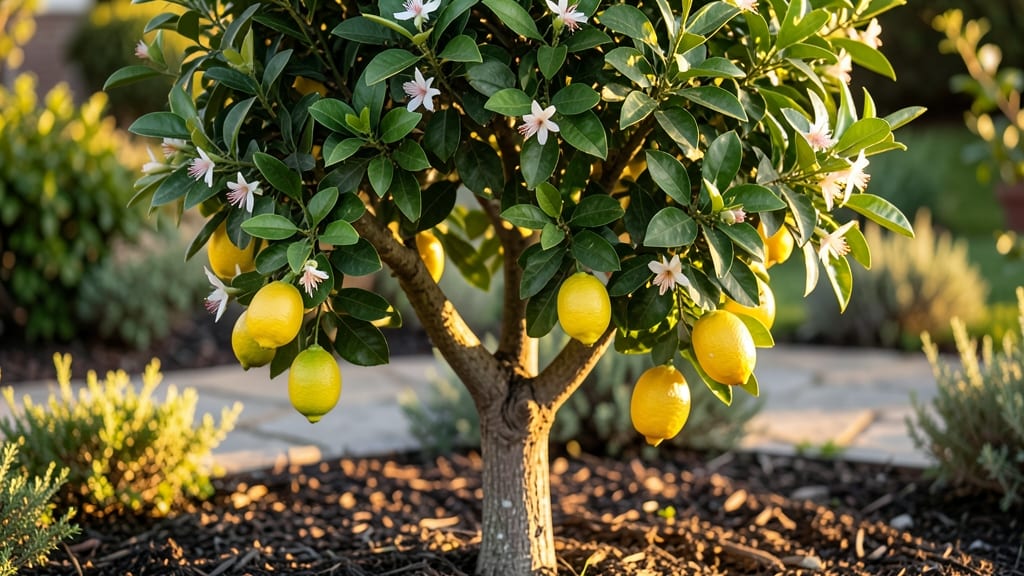
Growing lemon trees in Zone 8 requires selecting cold-tolerant varieties like Meyer or Eureka lemons, which handle brief cold snaps down to 20°F (-6°C) when mature. Proper winter prep—like mulching, trunk wrapping, and container growing—keeps them thriving through seasonal freezes.
Zone 8's mild winters still demand preparation, especially for young trees or less hardy varieties. 🌱 The key is combining the right genetics with protective measures—Meyer lemons, for example, often survive better than standard Eureka because of their hybrid vigor.
I've seen firsthand how a thick layer of mulch (at least 3 inches) can raise soil temperatures by 5-10°F, while wrapping trunks with burlap adds an extra 10°F of insulation during hard freezes.
Container growing offers another advantage: you can move potted trees to sheltered areas or even indoors during extreme cold snaps. The trade-off? Containers dry out faster, so consistent watering remains critical even in winter.
For established trees, pruning back dead wood in late winter (after the worst cold) helps redirect energy to new growth when spring arrives.
💡 In This Article
- Best Cold-Hardy Lemon Tree Varieties for Zone 8 Gardens
- Winter Care Tips to Protect Lemon Trees in Zone 8
Best cold-hardy lemon tree varieties for Zone 8 gardens
Zone 8's winter temperatures can dip below 20°F (-6°C), but certain lemon varieties handle these conditions better than others. Meyer lemons top the list with their hybrid resilience, often surviving down to 15°F (-9°C) when mature, thanks to their parentage combining mandarin and lemon genetics.
Their leaves also retain a glossy green hue longer in cold weather, unlike standard lemons that yellow and drop foliage more readily. 🌿 The Eureka variety follows closely, tolerating similar lows but requiring more consistent winter care, especially in younger trees.
Rootstock plays a crucial role in cold hardiness—trees grafted onto trifoliate orange rootstock (common for commercial varieties) can endure 5-10°F colder than those on sour orange rootstock.
This is why you'll see nursery tags specifying rootstock; the right combination can mean the difference between a thriving tree and one that struggles through Zone 8 winters. Lisbon lemons, while productive, are less cold-tolerant, typically maxing out at 25°F (-4°C), making them riskier choices without extra protection.
For gardeners in Zone 8, variety selection should factor in both cold tolerance and fruit quality. Meyer lemons, for instance, produce sweeter, smaller fruit that ripens earlier in the season—a bonus when winter's chill lingers.
Their compact size also makes them ideal for containers, where you can easily relocate them during frost warnings. 🍋 Meanwhile, Eureka lemons yield larger, more tart fruit but demand thicker mulching (at least 4 inches) and trunk wraps to match Meyer's hardiness.
What most people overlook is how age affects cold tolerance. Young lemon trees—regardless of variety—are far more vulnerable, often needing 10°F warmer conditions than mature specimens. This is why nursery-grown trees come with specific planting instructions, usually recommending at least 2-3 years
The root system's depth and maturity directly correlate with the tree's ability to store nutrients and withstand temperature fluctuations.
Consider these key factors when choosing your variety:
- Meyer lemons: Best for containers or small gardens; fruit ripens year-round in Zone 8
- Eureka lemons: Higher yield but needs more winter protection; ideal for in-ground planting
- Lisbon lemons: Productive but least cold-hardy; reserve for microclimates with extra shelter
- Rootstock: Always check for trifoliate orange rootstock when purchasing Zone 8 varieties
One pro tip I've learned from growing these trees is to plant them near south-facing walls or fences. The additional sun exposure during winter can raise microclimate temperatures by 2-5°F, giving your tree that extra buffer against sudden cold snaps.
This passive heating works particularly well for container-grown trees, where you can position them strategically during frost alerts. 🔥