
Pruning
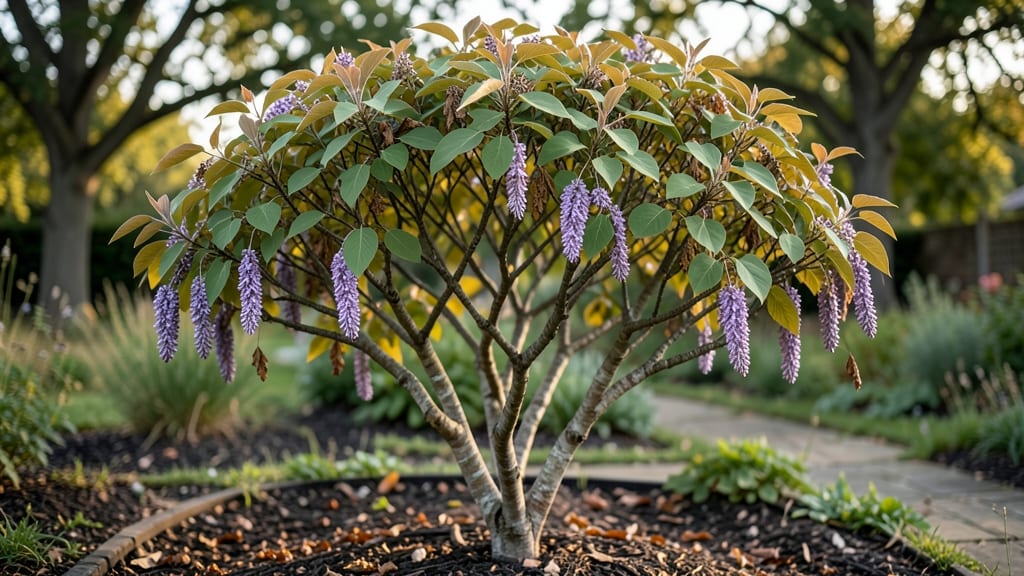
Autumn pruning your lilac tree now sets the stage for next spring's showstopping blooms—but timing is everything. 🌿 The golden hour for trimming is right after the leaves turn yellow and before the first hard frost, when the tree’s energy shifts underground.
I’ve learned the hard way that cutting too early or too late can rob you of those fragrant purple clouds come May.
This isn’t just about snipping branches—it’s about shaping the tree’s future. Focus on removing dead wood, crossing branches, and thinning out crowded stems to improve airflow. Lilacs reward patience: a well-pruned tree will burst with healthier growth and more abundant flowers next season.
Just avoid heavy pruning—stick to light shaping to avoid stressing the tree before winter.
You’ll notice the difference immediately: fewer pests hiding in dense foliage, and a cleaner structure that’s easier to maintain. The tree’s autumn foliage also becomes a stunning bonus—deep greens turning to golds and ambers before the leaves fall.
This prep work ensures your lilac wakes up strong in spring, ready to put on its best show.
Works for both young lilacs and mature trees, though older varieties need gentler touch-ups. Grab your pruners and let’s get that tree ready for winter—your future blooms will thank you!
📚 In This Guide
- What you need
- Instructions
- Tips and common mistakes
- Wrapping up and next steps
What you need
- ● Pruning shears: Sharp, bypass-style shears (for clean cuts on small branches). Quantity: 1 pair.
- ● Loppers: For thicker branches (½"–1" in diameter). Quantity: 1 pair.
- ● Pruning saw: Heavy-duty saw for branches over 1" in diameter. Quantity: 1.
- ● Garden gloves: Heavy-duty, cut-resistant gloves (to protect your hands from thorns and rough bark). Quantity: 1 pair.
- ○ Disinfectant (optional but recommended): 70% isopropyl alcohol or a 10% bleach solution (to sterilize tools and prevent disease spread).
- ● Trash bags or bucket: For collecting pruned branches. Quantity: 1–2.
- ○ Pruning sealant (optional): For sealing large cuts (e.g., tree wound paint or pruning paste).
- ● Extension pole: For reaching higher branches safely.
- ● Ladder (if needed): Sturdy, 3-step ladder for taller lilacs (ensure it’s stable!).
- ● Hand saw or reciprocating saw: For stubborn, thick branches.
- ● Notebook & pen: To jot down notes on cuts or branch directions.
- ● Safety glasses: Protect your eyes from debris.
Lilac tree autumn pruning: timed trimming for next year’s spectacular blooms
Here’s how to shape your lilac for a stronger, more vibrant spring—without cutting back too soon.
⏰ Step 1: Time Your Pruning Perfectly After Blooming
Wait until late summer or early autumn, after the lilac’s flowers have faded and seed pods formed. This timing ensures you don’t accidentally remove next year’s flower buds, which form on old wood after blooming. If you prune too early (like right after spring blooms), you risk cutting off next season’s blossoms entirely.
Look for brown, dried seed pods—this is your signal that the tree has finished flowering for the year. I usually prune mine in mid-September, but adjust based on your local climate. Cooler regions may need to wait until October to avoid late-season growth that won’t harden off before winter.
✂️ Step 2: Remove Dead, Weak, or Crossing Branches First
Start by cutting out any dead, diseased, or crossing branches—these compete with healthy growth and can invite pests. Use clean, sharp pruning shears to make 45-degree cuts just above a healthy bud or branch collar. Avoid leaving stubs, as they can rot and weaken the tree over time.
Next, thin out crowded branches to improve air circulation. Lilacs thrive when they get plenty of airflow, so don’t be afraid to remove up to one-third of the plant’s branches if needed. Focus on branches growing inward or rubbing against others—these will only cause damage as they thicken.
🌿 Step 3: Shape the Tree for Balance and Airflow
Step back and assess the lilac’s overall shape. You want to open up the center to let sunlight reach all branches, which encourages stronger blooms. Cut back overly long or leggy branches by about one-third, always cutting just above a bud that faces outward. This promotes bushier growth and prevents a top-heavy silhouette.
For larger branches, use loppers to make clean cuts. If a branch is thicker than 2 inches, consider thinning it out gradually over a few years to avoid shocking the tree. Avoid heavy pruning in one season—lilacs respond best to light, strategic cuts that encourage gradual growth.
🪴 Step 4: Clean Up and Prepare for Winter
After pruning, sterilize your tools with rubbing alcohol to prevent spreading disease. Rake up and dispose of all clippings—don’t leave them under the tree, as they can harbor pests and fungi. A light layer of mulch (2–3 inches) around the base helps protect roots from freezing temperatures.
Water the tree deeply after pruning to help it recover. Lilacs are drought-tolerant once established, but autumn pruning can stress the plant, so 1–2 gallons of water spread over the root zone will make a difference. Avoid fertilizing now—new growth this late in the season won’t harden off before winter.
⏰ Step 5: Plan for Spring Maintenance
Mark your calendar for early spring, when you’ll do a quick check for any winter damage. Lilacs bloom on old wood, so avoid heavy pruning in spring—just remove any dead or broken branches and shape lightly if needed. The bulk of your work is done now, so you can enjoy watching next year’s blooms emerge even more vibrantly.
Real talk: If you skip autumn pruning, your lilac will still bloom, but the flowers may be smaller and less abundant. A little effort now means big rewards in spring—and a healthier, longer-lived tree. I promise, your future self will thank you.
Tips & tricks for perfect lilac tree autumn pruning
A little strategic planning makes all the difference when shaping your lilac for next year’s showstopping blooms. Here’s what I’ve learned after years of trial and error.
Timing is Everything: The mid-September window is ideal for most climates, but don’t stress if you miss it—just wait until you see those brown, dried seed pods. In cooler regions, October works perfectly to avoid encouraging tender new growth that won’t survive winter. I’ve seen lilacs bloom beautifully after October pruning, but the flowers may be slightly smaller if you wait too late.
Tool Prep Prevents Problems: Clean, sharp pruning shears aren’t just about clean cuts—they’re about plant health. Sterilize your tools with rubbing alcohol before and after pruning to prevent spreading fungal diseases between cuts. I keep a small bottle of 70% isopropyl alcohol in my gardening toolkit specifically for this purpose, and it’s saved my lilacs from multiple infections over the years.
Visual Cues for Perfect Cuts: When making those 45-degree cuts in Step 2, look for the small bump at the base of the branch where it meets the trunk—that’s the branch collar. Cut just above this collar, leaving a smooth surface. This tiny detail makes all the difference in how quickly the wound heals. I’ve made the mistake of leaving stubs, and those wounds take forever to close properly.
Watering Wisdom: That 1-2 gallons of water after pruning might seem like a lot, but lilacs are surprisingly sensitive to autumn stress. Water deeply but slowly, letting it soak into the soil rather than running off. I use a soaker hose for this step, which delivers water right to the root zone without disturbing the mulch. This helps the tree recover faster and sets it up for strong spring growth.
Pro Tips for Lilac Tree In Autumn
- A little strategic planning makes all the difference when shaping your lilac for next year’s showstopping blooms.
- Timing is Everything: The mid-September window is ideal for most climates, but don’t stress if you miss it—just wait until you see those brown, dried seed pods.
- Tool Prep Prevents Problems: Clean, sharp pruning shears aren’t just about clean cuts—they’re about plant health.
Frequently asked questions
Got questions about pruning your lilac tree in autumn? You’re not alone! Here are some of the most common concerns—and straightforward answers—to help you tackle the task with confidence.
When is the exact best time to prune lilacs in autumn?
Prune lilacs after they’ve finished blooming in spring (usually May-June) but before new growth hardens in late autumn (aim for late September to early October). Avoid pruning in winter or early spring—this can stimulate unwanted growth or damage buds for next year’s flowers.
How much can I trim back my lilac tree without harming it?
For mature lilacs, you can safely remove up to ⅓ of the plant’s height in one season. Focus on cutting back old wood (last year’s growth) to just above a healthy bud or branch. Never trim more than this—over-pruning stresses the tree and may reduce next year’s blooms. Pro tip: Use sharp pruners to make clean cuts at a 45° angle!
Will pruning in autumn kill my lilac tree?
No—if done correctly! Autumn pruning is ideal for shaping and rejuvenating lilacs, but timing matters. Avoid heavy pruning after frost (November+) as cold weather can weaken the tree. Stick to light trimming or structural adjustments in late autumn to keep it healthy.
What if my lilac tree isn’t blooming well after pruning?
Lilacs bloom on old wood, so aggressive summer pruning (or cutting back to the ground) can reduce flowers. If blooms are sparse, check for:
- Over-pruning (stick to ⅓ of the plant max)
- Disease (like powdery mildew—clean tools and remove infected branches!)
- Age (older trees may bloom less; rejuvenation pruning helps)
Are there alternatives to autumn pruning for lazy gardeners?
If autumn pruning feels overwhelming, try spring pruning (right after blooms fade) or gradual shaping over 2–3 years. Skip autumn entirely only if your climate has harsh winters—focus on light cleanup (removing dead wood) instead. Just avoid heavy cuts in winter!
Wrapping up and next steps
Autumn is the perfect time to give your lilac tree the care it needs to burst into vibrant blooms next spring! By pruning now, you’re not just tidying up—you’re shaping its future, ensuring healthier growth and stunning floral displays.
Remember, the key is timing, technique, and patience, so don’t rush the process.
Ready to transform your lilac into a showstopper? Grab your tools, follow the steps, and enjoy the rewards of a well-maintained tree! For extra inspiration, snap a photo of your pruned lilac and share it with fellow gardeners—your progress might just spark someone else’s green thumb adventure. 🌿✨