
Trees
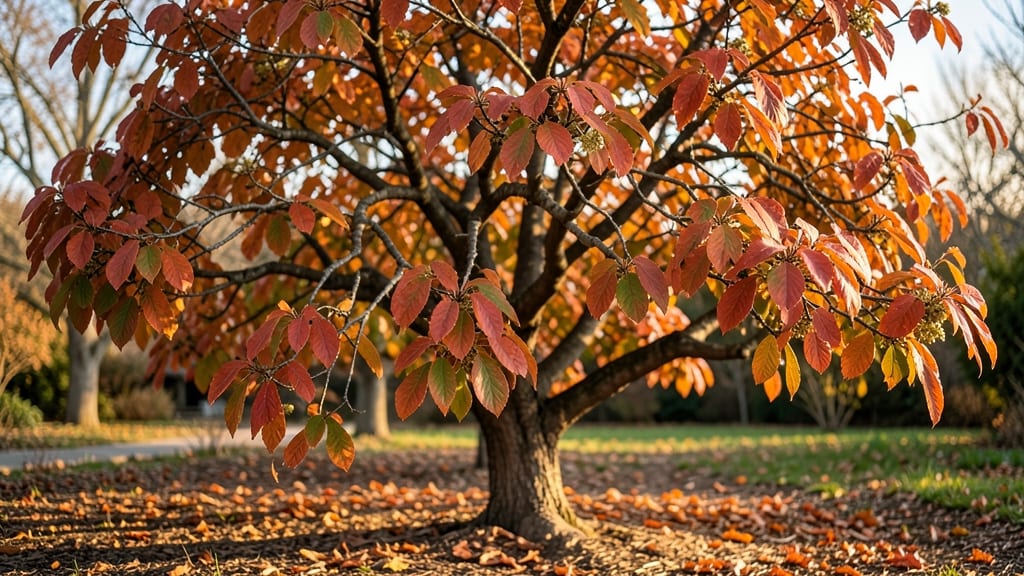
Persimmon tree leaves fall unexpectedly, and I’ve learned the hard way that ignoring it can mean losing your tree entirely. 🌳 The good news? Most cases aren’t a death sentence—just a sign your tree needs attention, whether from pests, stress, or seasonal shifts.
My first persimmon nearly lost all its leaves to spider mites, but a few targeted sprays and better watering brought it back stronger than ever.
Start by ruling out the obvious: drought stress or poor drainage often trigger leaf drop, and fixing them is simpler than you’d think. A deep watering once a week (unless it rains) keeps roots happy, while mulching helps retain moisture.
If pests like aphids or fungal spots are the culprits, a mix of neem oil and proper pruning can revive your tree’s health—just time it right, and you’ll see new growth within weeks.
📚 In This Guide
- What you need
- Instructions
- Tips and common mistakes
- Wrapping up and next steps
What you need
- ● Pruning shears: Bypass pruners (sharp, clean blades) for small branches (2–5 cm thick). Pro tip: 💡 Sanitize with rubbing alcohol before and after use to prevent disease spread!
- ● Loppers: For medium branches (5–7.5 cm thick). Look for bypass-style loppers for precision cuts.
- ● Pruning saw: A curved-tooth saw for thick branches (7.5+ cm). Avoid straight-tooth saws—they tear wood!
- ● Gloves: Heavy-duty, cut-resistant gloves (e.g., mechanics’ gloves) to protect hands from thorns and rough bark.
- ● Ladder: A sturdy, extendable aluminum ladder (rated for your tree’s height + 1 extra rung). Safety first! 🔥
- ● Disposable pruning bags: 3–5 large bags (5–10 gallon capacity) to collect fallen leaves and small branches.
- ● Rubbing alcohol (70% isopropyl): 1 small bottle for sanitizing tools.
- ○ Tree wound sealant (optional): Pruning paste (e.g., Tanglefoot Tree Wound Pruning Seal) for cuts larger than 2.5 cm.
- ● Weather check: Prune on a dry, overcast day (avoid wind or rain). Early morning is ideal!
- ● Tree health assessment: Inspect the tree for diseased or dead branches (they’ll be brittle or discolored).
- ● Safety gear: Safety glasses and closed-toe shoes (just in case!).
- ● Cleanup supplies: A wheelbarrow or tarp to haul debris away, and a shovel for larger branches.
- ● Notepad & pen: To jot down pruning notes (e.g., branch locations, cuts made).
- ● Pole saw: For high branches without a ladder (if your tree is 10+ feet tall).
- ● Extension pole pruners: For hard-to-reach spots (e.g., Felco F-2 model).
- ● Disinfectant spray: For sterilizing tools between cuts on large trees.
- ● Camera: Snap photos of the tree before pruning for reference later!
Instructions for pruning persimmon trees when leaves fall
Here's how I keep my persimmon trees thriving through winter by pruning at the right time.
⏰ Step 1: Wait Until Full Leaf Drop
Prune after 90-100% of leaves have fallen—usually late November to early December in most climates. Cold snaps trigger leaf drop, so don't rush. You'll know it's time when you see bare branches with only a few stubborn leaves clinging.
I wait until temperatures stay below 40°F for several nights. This ensures the tree is fully dormant and won't sprout new growth from pruning wounds. If you cut too early, you risk encouraging weak spring flushes that won't harden off properly.
✂️ Step 2: Remove Dead, Diseased, or Crossing Branches
Start by eliminating dead wood—branches that are completely brown inside and out. Use sharp loppers or pruning saws to make clean cuts just outside the branch collar. You'll see a slight swelling where the branch meets the trunk; cut ½ inch beyond this.
Next, remove any branches with cankers, fungal spots, or oozing sap. Sterilize your tools with rubbing alcohol between cuts to prevent spreading disease. Look for branches growing inward or rubbing against others—these compete for energy and often cause wounds. Cut these back to the main trunk or a healthy side branch.
🌿 Step 3: Thin the Canopy for Better Airflow
Step back and examine the tree's shape. Your goal is open, vase-like structure with sunlight reaching the center. Remove about 20-30% of the smallest branches first—these are the ones growing inward or upward. Focus on branches thinner than a pencil.
I like to start at the bottom and work my way up. Each cut should leave a healthy bud or branch facing outward. Avoid leaving stubs—always cut back to a lateral branch or the collar. You'll see new growth emerge from these buds next spring, creating a stronger framework.
☀️ Step 4: Prune for Sunlight and Fruit Production
Persimmons need sunlight to produce fruit, so open the canopy by removing branches that block light from the center. Aim for 6-8 hours of sunlight reaching the inner branches. You'll know you've done well when you can see light filtering through the tree.
Look for water sprouts—fast-growing, vertical shoots that appear after heavy pruning. These steal energy from fruit production. Cut these back to a lateral branch or the main trunk. If a branch is too thick to cut by hand, use a pruning saw and make the cut at a 45-degree angle just outside the branch collar.
🪴 Step 5: Clean Up and Protect the Tree
Rake up all fallen leaves and debris from under the tree—this prevents fungal diseases like anthracnose from overwintering. I also apply a 2-inch layer of wood chips around the base to protect the roots and retain moisture. Keep the mulch 6 inches away from the trunk to avoid rot.
Seal larger pruning wounds with pruning sealant if they're bigger than ½ inch in diameter. For smaller cuts, let them heal naturally—they'll callus over better without interference. Store your pruning tools in a dry place and sharpen them before next season to make clean cuts.
Tips & tricks for pruning persimmon trees when leaves fall
The right timing and technique make all the difference when pruning persimmons—here's how to do it right.
Timing is Everything: Don't rush into pruning just because leaves have started falling. Wait until you see 90-100% of leaves gone and temperatures consistently stay below 40°F for several nights. This dormancy period is crucial—it prevents the tree from sprouting weak new growth that won't survive winter. I've learned this the hard way after seeing spring flushes get nipped by late frosts.
Tool Prep Matters: Your pruning tools should be as sharp as possible—dull blades tear wood, creating larger wounds that heal poorly. I sharpen my loppers and pruning saws before each session and sterilize them with rubbing alcohol between cuts. This simple step prevents disease spread and makes clean cuts that heal faster. For branches thicker than a pencil, use a pruning saw at a 45-degree angle just outside the branch collar.
Visual Cues for Healthy Cuts: When removing branches, look for the branch collar—the swollen area where the branch meets the trunk. Your cut should be ½ inch beyond this collar, never leaving a stub. This ensures the wound can properly seal. For branches thinner than a pencil, hand pruners work best, while loppers handle branches up to 2 inches thick. If you're unsure about a cut, step back and visualize how it will affect the tree's overall shape.
Sunlight Strategy: Persimmons thrive with 6-8 hours of sunlight
Pro Tips for Persimmon Tree Leaves Fall
- The right timing and technique make all the difference when pruning persimmons—here's how to do it right.
- Timing is Everything: Don't rush into pruning just because leaves have started falling.
- Tool Prep Matters: Your pruning tools should be as sharp as possible—dull blades tear wood, creating larger wounds that heal poorly.
Frequently asked questions
Got questions about persimmon tree leaves falling? You’re not alone! Here are some of the most common concerns—and straightforward answers—to help you keep your tree thriving.
Why are my persimmon tree leaves turning yellow and falling off?
Yellowing leaves (called chlorosis) and premature leaf drop are often caused by nutrient deficiencies, overwatering, or fungal diseases like anthracnose. Check the soil pH (persimmons prefer 6.0–7.0) and adjust fertilization. If fungal spots appear, prune affected branches and apply a copper fungicide.
When is the best time to prune persimmon trees after leaves fall?
Late winter or early spring (just before buds swell) is ideal for pruning. Avoid pruning in fall, as it can stimulate new growth that’s vulnerable to frost. If you spot dead branches in winter, remove them immediately to prevent disease—but wait for dormant season for major pruning.
Can I prune a persimmon tree too much? What are the signs?
Yes! Over-pruning stresses the tree, leading to stunted growth, weak branches, or excessive leaf drop. Signs include no new leaves in spring or dieback (dead wood at branch tips). Limit pruning to 15–20% of the canopy per year and avoid "topping" (cutting back to a flat top).
What can I do if my persimmon tree keeps dropping leaves every year?
Chronic leaf drop may signal environmental stress, pests (like spider mites), or root issues. Start by improving drainage, mulching (2–4 inches of organic mulch), and inspecting for pests. If the problem persists, test soil for compaction or poor aeration—persimmons hate "wet feet."
Are there any persimmon tree varieties that hold leaves longer?
Some varieties, like 'Fuyu' (non-astringent) or 'Hachiya' (astringent), naturally shed leaves later in fall. For extended foliage, choose dwarf varieties (e.g., 'Meader') or plant in warmer microclimates to delay leaf drop. Just remember: leaf retention ≠ better fruit production—balance is key!
Wrapping up and next steps
Watching persimmon tree leaves fall is a natural part of their seasonal cycle—and with the right pruning techniques, you can ensure your tree thrives for years to come! 🌿 By understanding when, how, and why to prune, you’ll promote stronger growth, better fruit production, and a stunning canopy.
Whether you’re a beginner or a seasoned gardener, this guide gives you the confidence to trim with purpose.
Ready to take action? Grab your tools, mark your calendar for late winter or early spring, and give your persimmon tree the care it deserves. Your future harvests will thank you! 🌱