
Pests and Diseases
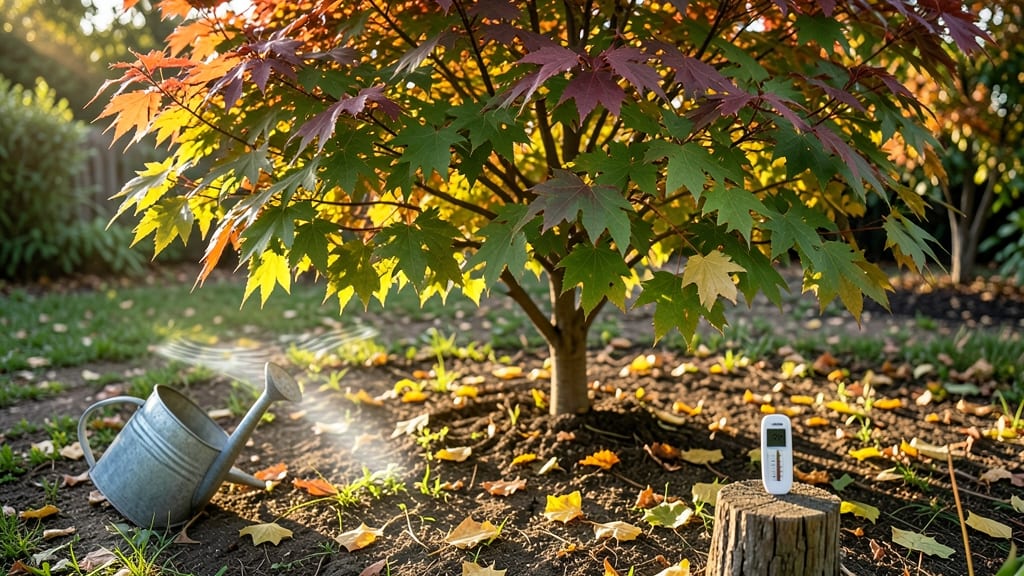
Seeing the green leaves falling off your tree in summer isn’t just a nuisance—it’s a cry for help. 🌳 I’ve seen this happen with oak, maple, and even fruit trees, and the causes range from heat stress to hidden pests. The good news?
Most issues have quick fixes if you know what to look for. Start by checking the undersides of leaves for tiny eggs or webs (signs of spider mites or aphids) or dark spots that could mean fungal issues. Environmental stress—like sudden drought or wind—often triggers leaf drop too.
The key is acting fast before the problem spreads. By the end of this guide, you’ll spot the exact issue and stop the leaf loss in its tracks. Some trees bounce back within weeks with the right care, while others need a little extra TLC to recover fully.
Whether it’s a young sapling or a mature shade tree, these steps work for almost any species. Let’s get your tree back to its full, lush glory before summer’s over.
Understanding The Hidden Triggers
When you spot green leaves dropping from your tree in summer, it’s rarely a random act—it’s a cry for help. The culprit could be lurking in plain sight, from microscopic invaders to environmental stress.
Below, we break down the most common reasons behind this concerning behavior, explained in clear, actionable terms.
🌡️ Extreme Heat or Drought Stress
Trees are resilient, but summer’s scorching heat and dry spells can push them past their limits. When soil moisture drops too low, roots struggle to supply water to the canopy.
This triggers a survival mechanism: the tree abscises (sheds) leaves to conserve water and energy. Young, tender leaves are often the first to go.
How to spot it:
- Wilting or curled leaves (even when watered)
- Crispy, brown leaf edges
- Soil pulling away from the tree’s base (indicating deep drought)
Fix it fast: 💡 Deep watering: Water slowly at the base (not just a quick sprinkle) until moisture reaches 12–18 inches deep. Use a soil probe or screwdriver to check. 💡 Mulch like a pro: Apply 2–4 inches of organic mulch (wood chips, straw) around the tree’s drip line (the area directly under the canopy). Keep mulch 6 inches away from the trunk to avoid rot. 💡 Shade relief: If your tree is in a hot, sunny spot, consider temporary shade cloth or prune nearby structures blocking airflow.
🐜 Pests: The Silent Leaf Thieves
Not all leaf drop is drought-related—some tiny (or not-so-tiny) pests are feasting on your tree’s foliage. Here’s who’s likely to blame:
| Pest | Signs | Damage |
|---|---|---|
| Japanese Beetles | Skeletons of chewed leaves, shiny green beetles on foliage | Rapid defoliation; weakens tree over time |
| Aphids | Sticky residue (honeydew), curled or yellowing leaves | Transmits diseases; stunts growth |
| Spider Mites | Fine webbing on undersides, speckled leaves | Leaves turn bronze/yellow and drop |
| Caterpillars (e.g., Tent Caterpillars) | Silk tents in branches, frass (poop) on leaves | Heavy defoliation; attracts predators |
Fix it fast: 🔥 Manual removal: Blast pests off with a strong hose (early morning) or handpick into soapy water. 🔥 Natural predators: Introduce ladybugs (aphids), birds (caterpillars), or parasitic wasps (mites) if possible. 🔥 Targeted sprays: Use neem oil (mites/beetles) or insecticidal soap (aphids). Apply in the early evening to avoid harming bees.
🍄 Fungal Infections: The Invisible Invaders
Fungi thrive in warm, humid summer conditions, and some leaf spot diseases or powdery mildew can cause leaves to yellow, develop spots, and drop prematurely. Common offenders include:
- Anthracnose: Dark, sunken spots with yellow halos (common in oaks, maples).
- Powdery Mildew: White, powdery coating on upper leaves (often on roses, lilacs).
- Canker Diseases: Sunken, oozing wounds on branches (e.g., bacterial leaf scorch).
How to spot it:
- Spots with concentric rings or tar-like ooze
- Leaves dropping in clusters (not randomly)
- Fungal growth on fallen leaves or bark
Fix it fast: 🌡️ Prune aggressively: Remove and dispose of infected branches (don’t compost!). Sterilize pruners with rubbing alcohol between cuts. 🌡️ Fungicide treatment: Apply copper fungicide or baking soda spray (1 tsp baking soda + 1 quart water + a drop of soap) to the undersides of leaves (where spores hide). 🌡️ Improve airflow: Thin out dense foliage to reduce humidity near the tree.
🌬️ Environmental Shock: Wind, Pollution, or Chemical Burn
Sometimes, the problem isn’t biological—it’s physical stress. Strong winds can tear leaves from branches, while air pollution (ozone, smog) or over-fertilizing can cause leaf scorch and premature drop.
How to spot it:
- Leaves with ragged edges (wind damage)
- Brown crusty patches on leaves (chemical burn)
- Yellowing between leaf veins (nutrient overload)
Fix it fast: ✨ Protect from wind: If your tree is in a wind tunnel, consider a windbreak (bamboo fence, shrubs) or staking young trees. ✨ Flush the soil: Over-fertilized? Water deeply for 30+ minutes to leach excess salts. ✨ Avoid herbicides nearby: Drift from lawn treatments can harm trees—spot-treat weeds manually instead.
Pro Tip: Before diagnosing, check the tree’s roots. Girdling roots (roots circling the trunk) can strangle water/nutrient flow, causing leaf drop. If you see roots poking above soil or hugging the trunk, gently loosen them with a knife (wear gloves!).
How to solve it
Seeing green leaves drop from your tree during summer can feel like a panic—especially when the weather is supposed to be ideal for growth. The good news? Most causes have straightforward fixes, and with a little detective work, you can nurse your tree back to health (or prevent future drama).
Below, we’ve mapped out practical solutions for each common culprit, plus prevention tips to keep your tree thriving all season long.
If your tree is wilting or dropping leaves despite regular watering, it’s likely struggling with heat stress or root dehydration. Summer sun can dry out soil faster than you think—even if it rains occasionally.
How to Fix It:
- 💦 Deep Watering: Water your tree slowly and deeply 2–3 times per week (not daily shallow sprinkles). Aim for 1–2 inches of water per week, delivered at the base, not the leaves. Use a soaker hose or drip irrigation for efficiency.
- 🌱 Mulch Like a Pro: Spread 3–4 inches of organic mulch (wood chips, bark, or compost) around the tree’s drip line (the edge of its canopy). This locks in moisture and regulates soil temperature. Pro tip: Keep mulch 6 inches away from the trunk to avoid rot.
- 🌿 Shade Relief: If your tree is in full, scorching sun, provide temporary shade with lightweight shade cloth (30–50% coverage) during peak afternoon heat (12–4 PM). Young or sensitive trees (like maples or oaks) benefit most.
- 🚿 Check the Soil: Dig 6 inches deep near the roots. If the soil is dry, it’s time to water. If it’s clay-heavy or compacted, amend it with compost or peat moss to improve drainage and water retention.
Prevention:
- 🌱 Plant Smart: Choose drought-tolerant trees for hot climates (e.g., crepe myrtle, pecan, or desert willow).
- 💡 Install a Rain Gauge: Track rainfall to adjust watering schedules—don’t rely on guesswork!
- ⏰ Water Early: Water in the early morning (before 10 AM) to reduce evaporation and fungal risks.
Chewed edges, sticky residue, or tiny holes in leaves? Pests like Japanese beetles, aphids, or spider mites are likely the culprits. These critters thrive in summer heat and can defoliate a tree in days.
How to Fix It:
- 🕷️ Handpick or Shake: For Japanese beetles, fill a bucket with soapy water and shake branches over it in the early morning. Repeat daily until they’re gone.
- 💦 Hose Them Off: A strong stream of water (from a hose nozzle) can dislodge aphids or spider mites. Do this in the early morning to avoid damaging leaves.
- 🌿 Neem Oil Spray: Mix 1 tbsp neem oil + 1 tsp mild soap + 1 quart water in a spray bottle. Apply to undersides of leaves (where pests hide) in the evening to avoid harming bees. Reapply every 5–7 days.
- 🐝 Beneficial Insects: Release ladybugs or lacewings (available at garden centers) to eat pests naturally. They’re especially effective against aphids.
- 🛡️ Physical Barriers: Wrap young trees in fine mesh netting to block beetles or use sticky traps for mites.
Prevention:
- 🌱 Encourage Predators: Plant native flowers (like marigolds or dill) near your tree to attract beneficial insects.
- 💡 Prune Strategically: Remove heavily infested branches in the off-season (fall/winter) and dispose of them in sealed bags.
- ✨ Reflective Mulch: Use aluminum foil or silver plastic mulch around the base—it confuses pests and deters some beetles.
Yellowing, brown spots with fuzzy growth, or leaves that look like they’ve been burned? Fungal diseases (like anthracnose or powdery mildew) love summer’s warmth and humidity.
How to Fix It:
- 🧹 Prune & Dispose: Cut off infected branches 1 inch below the damage, then sterilize pruners with rubbing alcohol. Bag the debris and do not compost it.
- 🌬️ Improve Airflow: Thin out dense foliage to let air circulate. Space trees 8–10 feet apart when planting new ones.
- 💧 Water Wisely: Water at the base only (avoid wetting leaves) and water in the morning so leaves dry quickly.
- 🍄 Fungicide Spray: Use a copper-based fungicide or baking soda spray (1 tbsp baking soda + 1 tsp soap + 1 gallon water). Spray every 7–10 days until new growth appears.
Prevention:
- 🌱 Resistant Varieties: Choose disease-resistant tree species (e.g., dwarf honey locust for anthracnose-prone areas).
- 💡 Clean Up Debris: Remove fallen leaves and fruit from under the tree to reduce fungal spores.
- ✨ Mulch Properly: Use straw or pine needles (instead of wood chips) to keep the base drier.
Construction noise, soil compaction, or sudden weather shifts (like hail or wind) can shock trees into dropping leaves. If your tree seems otherwise healthy but is shedding, it’s likely reacting to its surroundings.
How to Fix It:
- 🏗️ Reduce Soil Compaction: If heavy foot traffic or construction has compacted the soil, aerate the root zone with a garden fork or hire a professional to core aerate the area.
- 🌬️ Windbreaks: If your tree is in a windy spot, plant a hedge or tall shrubs on the windward side for protection.
- 🛡️ Protect from Hail: Wrap young trees in burlap or tree guards before storm season if hail is common in your area.
- 🌱 Transplant Care: If you recently moved the tree, water deeply every 2–3 days
Frequently asked questions about summer leaf drop
Why do some trees drop green leaves in summer while others keep theirs?
Trees like maples, oaks, and fruit trees are more prone to summer leaf drop due to stress, while species like pines or evergreens retain leaves year-round. Deciduous trees often shed leaves to conserve water during drought or when pests attack. The key difference is their natural adaptation to seasonal changes versus environmental pressures.
Is it normal for a young tree to lose green leaves in summer?
Not usually—young trees are especially vulnerable to heat stress, poor root systems, or pests. If your sapling is dropping leaves, check for wilting, yellowing, or pest signs. Young trees need consistent watering (1–2 inches per week) and mulch protection to establish strong roots before summer’s peak.
How can I tell if my tree’s leaf drop is from pests or drought?
Look for these clues: Pests leave chewed edges, webbing, or sticky residue (aphids/honeydew). Drought stress shows as crispy edges, curled leaves, or dry soil 6+ inches deep. Shake a branch over white paper—tiny bugs or eggs confirm pests, while no signs point to environmental factors.
Will my tree grow back leaves if I fix the problem?
Most trees recover quickly if the issue is caught early! Healthy roots and branches can produce new leaves within 2–4 weeks after addressing the cause. Severe cases (like fungal infections) may take longer, but pruning infected areas and improving care helps. Focus on watering, mulching, and pest control to encourage regrowth.
Should I fertilize my tree if it’s dropping leaves?
Only if the soil test confirms a nutrient deficiency. Over-fertilizing stressed trees worsens the problem by burning roots. Instead, focus on watering and mulching. If fertilizing is needed, use a slow-release, balanced formula (10-10-10) in early spring—not summer.