
Pruning
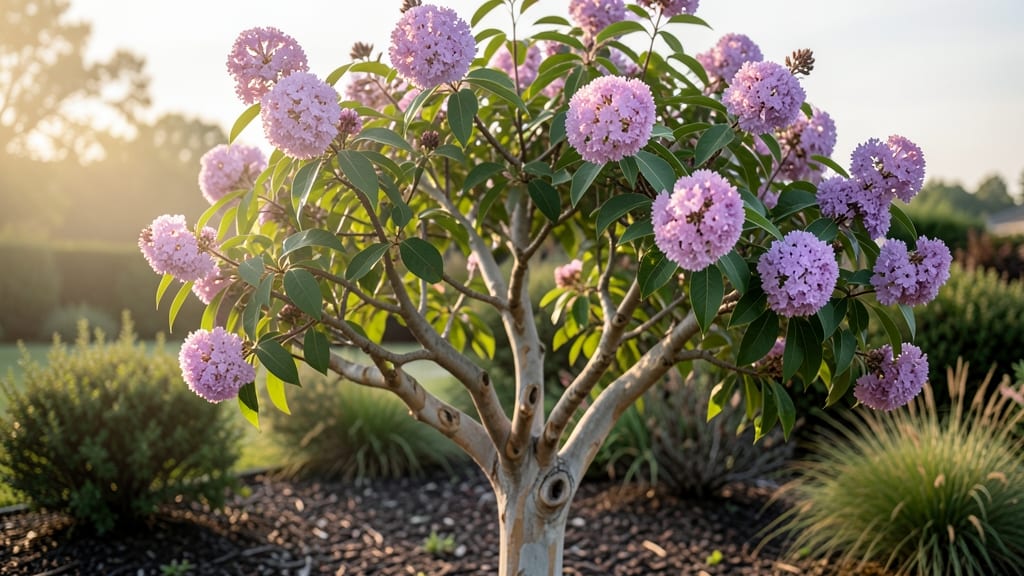
California’s sunbaked landscapes finally have a showstopper tree that thrives without fuss. 🌿 Crepe myrtles aren’t just drought-tolerant—they’re the kind of tree that turns heads with their vibrant blooms while barely asking for water. I’ve grown them in both coastal and inland zones, and they’ve never let me down.
The secret lies in matching varieties to your microclimate: coastal areas love the ‘Natchez’ variety with its towering height, while inland gardeners swear by ‘Tonto’ for its compact size and heat tolerance. These trees handle our dry spells like pros, needing water only until established, then surviving on rainfall alone.
By late summer, you’ll be rewarded with clusters of blooms in shades of pink, white, and purple that last for weeks. The bark peels dramatically in winter, adding texture even when the flowers fade. It’s the kind of tree that makes neighbors ask, “What’s that?”
Pruning is simple—just remove dead wood in late winter and shape lightly after blooming. No shearing required. Here’s how to get started with the perfect spot and care routine for your California climate.
📚 In This Guide
- What you need
- Instructions
- Tips and common mistakes
- Wrapping up and next steps
What you need
- ● Pruning shears: Bypass pruners (for small branches, 4–6 inches long) – 1 pair (sharp, clean, and sterilized).
- ● Loppers: For thicker branches (8–12 inches), 1 pair (with a long handle for reach).
- ● Pruning saw: For branches thicker than 2 inches in diameter – 1 saw (bow or folding saw).
- ● Garden gloves: Heavy-duty, cut-resistant – 1 pair (to protect hands from thorns and sharp branches).
- ● Disinfectant: 70% isopropyl alcohol or bleach solution (1 part bleach to 9 parts water) – small bottle or spray (to prevent disease spread).
- ● Trash bags or bucket: For collecting pruned branches – 1–2 large bags or a 5-gallon bucket.
- ○ Ladder (optional but helpful): Sturdy, extendable ladder (if tree exceeds 6 feet tall) – 1 ladder (with non-slip feet).
- ● Hand pruners: For delicate trimming (e.g., shaping smaller branches).
- ● Tree wound paint: (Controversial—skip unless dealing with large cuts; otherwise, let wounds heal naturally!).
- ● Work apron or bandana: To keep clothes clean from sap and debris.
- ● Safety glasses: If working near overhead branches or in windy conditions.
- ● Notebook & pen: To jot down notes on pruning cuts or tree health observations.
Step-by-Step guide to planting crepe myrtle trees in California
Here's how to establish these drought-tolerant beauties in your sunny California landscape.
🌱 Step 1: Choose the Right Variety and Planting Time
California's climate suits crepe myrtles beautifully, but timing matters. Plant in early spring (March-April) when soil warms to 60°F or late fall (October-November) before first frost. Avoid summer planting—the intense heat stresses young roots. For your region, look for native-friendly varieties like 'Natchez' (white blooms) or 'Tonto' (red flowers), which thrive in USDA Zones 7-10.
I always check the root flare—where the trunk meets the roots—should sit just above soil level. If the flare is buried, the tree will suffocate. Dig a hole twice as wide as the root ball but only as deep. The extra width encourages roots to spread outward instead of circling.
☀️ Step 2: Prepare the Planting Site for Maximum Sun
Crepe myrtles crave sun—6+ hours daily—so pick a spot with full exposure. In California's intense light, afternoon shade helps prevent leaf scorch, especially for young trees. Amend the native soil with 2-3 inches of compost mixed into the top 12 inches of soil to improve drainage and fertility.
I like to rake the bottom of the hole smooth and add a handful of granular fertilizer (10-10-10 ratio) to the sides. This prevents direct root contact with concentrated nutrients, which can burn tender roots. Water the hole thoroughly before planting to settle the soil.
🪴 Step 3: Plant and Water Deeply for Strong Establishment
Gently remove the tree from its container and loosen any circling roots. Position it so the root flare is level with the surrounding soil. Backfill with native soil mixed with compost, tamping lightly every 2 inches to eliminate air pockets. Water deeply until the soil 6 inches down feels saturated—this encourages roots to grow downward.
Mulch with 2-3 inches of wood chips, keeping it 6 inches away from the trunk to prevent rot. I always water again after mulching to help settle everything. For the first 30 days, water 2-3 times per week until the tree shows new growth—this prevents transplant shock.
✂️ Step 4: Prune for Shape and Health Year-Round
Crepe myrtles bloom on new wood, so prune in late winter or early spring before buds swell. Remove dead, crossing, or weak branches first, then shape by cutting just above a leaf node. Never "top" the tree—this creates ugly stubs and weak growth. For mature trees, thin the canopy to allow light to reach the center.
I always sterilize pruners with rubbing alcohol between cuts to prevent disease spread. In California's dry climate, pruned branches can dry out quickly, so I collect and compost them immediately. Avoid heavy pruning in summer—it stresses the tree and reduces fall blooms.
💧 Step 5: Maintain Drought Resistance and Monitor for Pests
Once established, crepe myrtles need little water—only during prolonged dry spells. Water deeply every 2-3 weeks in summer, letting the soil dry completely between waterings. Overwatering causes root rot, which is deadly in California's heavy clay soils.
Watch for aphids or scale insects on new growth—common in our dry heat. I spray affected areas with neem oil or introduce ladybugs for natural control. For powdery mildew (another California issue), improve airflow by thinning dense foliage and avoid overhead watering.
Tips & tricks for perfect crepe myrtle planting in California
Planting crepe myrtles right from the start saves you headaches later—here's how to nail it in our Golden State climate.
Soil Temperature Matters: That 60°F soil temperature in Step 1 is non-negotiable for California planting. Use a soil thermometer to confirm—cold soil slows root growth, while warm soil (above 65°F) can stress young trees. I've seen trees planted too early in chilly spring months struggle for months to establish. If your soil runs cooler than 60°F, wait another week or two before planting.
The Root Flare Secret: In Step 1, that root flare position is more critical than most gardeners realize. The flare should sit just above ground level—never buried. I've dug up trees later where the flare was buried, and you can see how the roots have grown upward in desperate search of oxygen. If you bury it, the tree will suffocate before it even gets established.
Sunlight Strategy: The 6+ hours of daily sun mentioned in Step 2 is perfect for California, but here's the trick: position your tree where it gets morning sun and afternoon shade if possible. The intense afternoon sun in our state can scorch tender new leaves, especially in summer. A little afternoon shade during the hottest months helps young trees establish without stress.
Watering Wisdom: That 6 inches deep watering in Step 3 is crucial, but don't stop there. After the initial watering, check soil moisture every 2-3 days during the first 30 days. Stick your finger in the soil—if it's dry at 2 inches down, water again. Overwatering is just as deadly as underwatering in our clay soils, so let the top 2-3 inches dry out between waterings after the initial establishment period.
Pro Tips for Crepe Myrtle Tree California
- Planting crepe myrtles right from the start saves you headaches later—here's how to nail it in our Golden State climate.
- Soil Temperature Matters: That 60°F soil temperature in Step 1 is non-negotiable for California planting. Use a soil ...
- The Root Flare Secret: In Step 1, that root flare position is more critical than most gardeners realize. The flare sh...
Frequently asked questions
Are crepe myrtles really drought-resistant in California’s climate?
Crepe myrtles thrive in California’s arid conditions once established. While they need regular watering for the first year or two, mature trees (3+ years old) can survive on rainfall alone. Mulch heavily to retain moisture and reduce evaporation. Pro tip: Water deeply but infrequently—aim for 1-2 inches per week during dry spells.
When is the best time to prune crepe myrtles in California?
Prune in late winter or early spring (February–March) to avoid removing flower buds. Never prune in fall—this can stimulate late growth vulnerable to frost. For shaping, use clean tools and cut just above a leaf node or bud. Warning: Avoid "crepe murder" (over-pruning)—these trees bloom on new growth!
Can I grow crepe myrtles in containers in California?
Yes! Dwarf varieties (like ‘Acoma’ or ‘Tonto’) are perfect for containers. Use a well-draining mix (add perlite or sand) and a pot with drainage holes. Move containers to partial shade in summer to prevent wilting. Bonus: Container-grown trees can be overwintered indoors if temps drop below 20°F.
What pests or diseases should I watch for with crepe myrtles in CA?
Common issues include:
- Aphids: Spray with water or neem oil if clusters appear.
- Powdery mildew: Improve airflow; avoid overhead watering.
- Scale insects: Scrape off or use horticultural oil.
Yellowing leaves? Check for overwatering or nutrient deficiencies (fertilize lightly in spring). Prevention tip: Inspect leaves regularly during California’s mild, pest-friendly winters.
What’s a good alternative if crepe myrtles don’t thrive in my CA yard?
Try these drought-tolerant, low-maintenance swaps:
- Texas Sage (Leucophyllum frutesens): Purple blooms, thrives in heat.
- Toyon (Heteromeles arbutifolia): Native, berry-producing shrub.
- Olive Tree (Olea europaea): Silver foliage, Mediterranean charm.
Note: If your yard has extreme heat (100°F+), opt for varieties like ‘Natchez’ crepe myrtle—it handles heat better than others.
Wrapping up and next steps
Growing a crepe myrtle tree in California is a rewarding way to add vibrant color and drought-resistant beauty to your landscape! 🌸 With the right pruning techniques, soil care, and sun exposure, these stunning trees thrive even in the Golden State’s dry climate.
Whether you’re a seasoned gardener or just starting out, your crepe myrtle will reward you with years of blooms and minimal fuss.
Ready to transform your outdoor space? Start by selecting the perfect variety for your region, then roll up your sleeves—your future shade tree (and pollinator haven!) is waiting. Happy planting! 🌿