
Trees
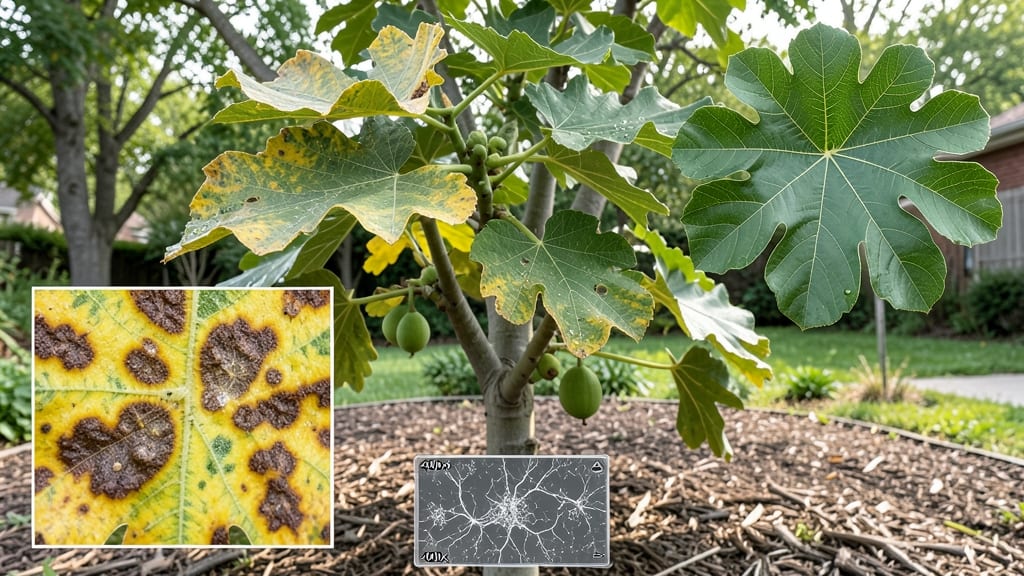
Your fig tree’s leaves turning yellow with the brown spots aren’t a death sentence—just a wake-up call. 🌿 I've battled this exact issue with my Mission fig, and the key is acting fast before the fungus spreads.
This isn't just about pruning; it's about diagnosing the root cause first, whether it's rust, leaf spot, or something else entirely.
The worst part? Most gardeners wait too long, thinking it's just summer stress. But those brown spots? That's fungal blight, and it thrives when leaves stay wet too long.
The good news is organic fixes work—copper fungicide sprays, neem oil treatments, and proper spacing between trees to improve airflow. I've saved multiple trees using these methods.
By next week, you'll see fresh green growth pushing out from the center of the plant. The secret is consistency: check leaves every 3-4 days, prune aggressively but carefully, and adjust your watering schedule to mornings only. Your tree will bounce back stronger than before.
Works for both container figs and in-ground trees, regardless of whether you're in Zone 7 or 10. The same principles apply—just tweak the timing for your local climate. Let's get those leaves healthy again.
Why it happens
When your fig tree’s leaves start showing yellowing edges with brown spots, it’s often a cry for help from the plant. These symptoms rarely appear without a reason—whether it’s an environmental stressor, a pest invasion, or a microbial intruder.
Below, we break down the most common culprits, why they happen, and what triggers them in your fig tree’s ecosystem.
🌡️ Fungal Infections: The Silent Invaders
Fungi like Cercospora or Phyllosticta thrive in damp, humid conditions and are the #1 cause of brown-spotted, yellowing leaves. Here’s how it unfolds:
- Moisture buildup: Fungal spores splash onto leaves from soil or water droplets during overhead irrigation or rain. Fig trees hate soggy feet—poor drainage or mulch piled too close to the trunk creates a fungal paradise.
- Temperature sweet spot: Fungi love 60–85°F (15–30°C) with high humidity. If your tree is in a shaded, enclosed space (like a patio or greenhouse), spores spread faster.
- Weakened defenses: Stressed trees (from drought, poor soil, or nutrient deficiencies) can’t fight off infections. Look for yellowing between veins—a classic fungal sign.
💡 Pro Tip: Check the undersides of leaves for fuzzy mold or black speckles—this is your confirmation. Fungal spots often start small (pinprick-sized) and expand with a halo of yellow around them.
🐜 Pest Damage: The Hidden Munchers
Insects like spider mites, scale, or aphids don’t just suck sap—they leave behind toxic waste that causes leaves to yellow and develop brown, crinkled patches. Here’s the breakdown:
- Spider mites: These tiny arachnids (not insects!) thrive in hot, dry conditions and spin webs on leaf undersides. Their feeding creates stippled yellowing that turns brown as tissue dies.
- Aphids: These sap-suckers excrete honeydew, a sticky residue that fosters sooty mold (a black fungal layer). The mold blocks sunlight, causing leaves to yellow and crisp at the edges.
- Scale insects: Armored or soft scales attach to leaves/stems, draining nutrients. Infested areas develop brown, leathery spots that eventually drop off.
🔥 Watch For: Tiny moving dots (mites), white cottony masses (aphids), or shell-like bumps (scale) on stems. Tap leaves over a white sheet—pests will reveal themselves!
☀️ Environmental Stressors: Too Much or Too Little
Fig trees are tough, but they’re not fans of extreme conditions. When leaves yellow with brown spots, it’s often a sign of:
- Overwatering: Fig roots need well-draining soil. If the pot or ground stays waterlogged, roots suffocate, leading to chlorosis (yellowing) and brown, mushy spots from root rot.
- Underwatering: Drought stress causes leaves to curl, yellow, and develop crispy brown edges as cells dry out. Check soil 2 inches down—if it’s bone-dry, it’s time to water.
- Sunburn: Young fig trees or those suddenly moved to full sun can get scorched leaves. Brown patches appear on exposed surfaces (like leaf edges facing the sun), while the rest stays green.
- Temperature shocks: Figs hate cold drafts or sudden freezes. Brown, papery spots on leaves signal cold damage, especially in varieties like ‘Brown Turkey’ or ‘Celeste.’
🌡️ Quick Fix: Mulch with 2–3 inches of organic matter (straw or wood chips) to regulate soil temp. Avoid mulching right against the trunk—keep it 3–4 inches away to prevent rot.
🌍 Nutrient Deficiencies: Starving for Essential Minerals
Brown spots with yellowing can also signal a nutritional imbalance. Figs need specific minerals to stay healthy:
| Deficiency | Leaf Symptoms | Likely Cause |
|---|---|---|
| Nitrogen (N) | Overall yellowing (chlorosis) starting on older leaves, with brown edges. | Poor soil, over-pruning, or leaching from frequent watering. |
| Potassium (K) | Brown scorch marks on leaf edges (like a “fried” look), often with yellow between veins. | Compacted soil, over-salty water, or high phosphorus fertilizer. |
| Magnesium (Mg) | Yellow patches between veins (interveinal chlorosis), with brown spots forming later. | Alkaline soil (pH > 7.0) or over-fertilizing with nitrogen. |
| Iron (Fe) | Bright yellow leaves with green veins, and brown necrotic spots. | Calcareous (chalky) soil or high pH blocking uptake. |
✨ Solution: Test your soil (pH and NPK levels) and amend with compost, Epsom salt (for Mg), or chelated iron if deficient. Figs prefer slightly acidic to neutral soil (pH 6.0–7.0).
Quick Fixes for Fig Tree Foliage
Reviving your fig tree’s vibrant green leaves starts with identifying the root cause of those unsightly yellow patches and brown spots. Below, we’ve mapped out practical, organic solutions tailored to each issue—plus tips to keep your tree thriving long-term. No fancy tools or chemicals required!
Signs: Yellowing edges, brown spots with yellow halos, or wet-looking lesions.
🔥 Step 1: Prune the Problem Areas
- 👨🍳 Remove infected leaves using sterilized pruners (wipe with rubbing alcohol between cuts).
- ⏰ Best time: Early morning when leaves are dry to prevent spore spread.
- 🗑️ Dispose of debris in a sealed bag (do not compost infected material).
🥘 Step 2: Apply a Fungicide Spray
Mix 1 tablespoon baking soda + 1 teaspoon liquid soap + 1 gallon water in a spray bottle. Why it works: Baking soda raises the leaf’s pH, making it inhospitable to fungi.
- 🌡️ Spray thoroughly on both sides of leaves, focusing on undersides (where spores hide).
- 🎯 Repeat weekly until new growth appears, then monthly as prevention.
💡 Pro Tip:
- 🌿 Boost airflow by thinning dense branches—fungi love humidity!
- ✨ Water at the base (avoid overhead spraying) to keep leaves dry.
Signs: Pale yellow leaves, brown crispy edges, or soggy soil.
🔪 Step 1: Check the Soil
- 📊 Dig 2 inches deep—if soil is damp but not soggy, you’re overwatering. If dry, it’s thirsty!
- 💪 Fix: Let soil dry between waterings (stick your finger in—if the top inch is dry, water lightly).
🥗 Step 2: Feed Your Tree
Fig trees crave balanced nutrients. Use:
- 🍎 Organic compost (work 2–3 inches into the topsoil in spring).
- 💪 Slow-release fertilizer (like 10-10-10) applied once in early spring.
- 🌱 Avoid high-nitrogen fertilizers—they burn roots and worsen yellowing.
🎯 Prevention Checklist:
- 🌡️ Mulch with straw (2–3 inches) to retain moisture without suffocating roots.
- 🚰 Water deeply but infrequently—figs hate "wet feet."
- 🔥 Test soil pH (ideal: 6.0–7.0). Use vinegar (for alkaline soil) or lime (for acidic soil) to adjust.
Signs: Sticky residue (honeydew), tiny webs, or clusters of bugs on stems/leaves.
🍳 Step 1: Blast Off Pests
- 🔥 Spray with neem oil (1 tbsp neem oil + 1 tsp soap + 1 quart water). Why? Neem disrupts pests’ life cycles and repels future invaders.
- 👨🍳 Reapply every 5–7 days for 3 weeks to break the cycle.
🥘 Step 2: Introduce Beneficial Insects
- 🐞 Ladybugs or lacewings devour aphids naturally. Buy them online or attract them with dill or fennel plants nearby.
💡 Pro Tip:
- 🌿 Wipe leaves with a damp cloth to remove eggs and debris.
- 🎯 Avoid chemical pesticides—they kill beneficial insects and harm your fig tree.
Signs: Scorched brown patches on one side of leaves (sun exposure) or sudden yellowing after frost.
⏰ Step 1: Adjust Care Based on Season
- 🔥 Summer: Provide afternoon shade (use shade cloth if direct sun is intense).
- ❄️ Winter: Mulch heavily (4–6 inches) and cover young trees with burlap if temps drop below 20°F.
🥗 Step 2: Hydrate Smartly
- 💧 Deep-water during heatwaves (1–2 inches per week).
- 🌱 Use drip irrigation to avoid wetting leaves (reduces fungal risk).
✨ Long-Term Fix:
- 🌿 Plant in a sheltered spot (away from harsh winds or reflected heat from walls).
- 🎯 Choose heat-tolerant varieties like ‘Brown Turkey’ or ‘Celeste’ if your climate is extreme.
💡 Final Reminder: Consistency is key! Monitor your fig tree weekly, and act at the first sign of stress—early intervention saves leaves and fruit. With these fixes, your tree will be back to lush green in no time! 🌿🍈
Frequently asked questions
Why do my fig tree leaves turn yellow first, then develop brown spots?
This classic progression usually signals a fungal infection like leaf spot or rust. Fungi thrive in warm, humid conditions and often start with yellowing (chlorosis) as they disrupt chlorophyll production. The brown spots appear next as the infection spreads and leaf tissue dies. Check the undersides of leaves for fuzzy mold or black speckles—this confirms fungal activity.
Can I save my fig tree if most leaves already have brown spots?
Yes, but act fast! Prune all infected leaves immediately using sterilized tools, then apply a baking soda spray (1 tbsp baking soda + 1 tsp soap + 1 gallon water). The key is stopping the spread—fungi can jump to new leaves within 48 hours. For severe cases, repeat treatments every 5-7 days until you see fresh green growth.
Is it safe to compost leaves with brown spots from my fig tree?
Never compost infected leaves! Fungal spores can survive composting and reinfect your tree. Instead, seal them in a plastic bag and throw them in the trash. The same goes for heavily infested branches—burn them if possible, or dispose of them separately to prevent spreading spores to other plants.
How often should I inspect my fig tree for early signs of leaf problems?
Check your tree every 3-4 days during growing season (spring-fall), focusing on new leaves. Early intervention is critical—catching issues when spots are pinprick-sized (not spread across the leaf) makes treatment much easier. Keep a small notebook to track progress and note which leaves show symptoms first.
Will my fig tree produce fruit if the leaves have brown spots?
It depends on the severity. Mild cases may not affect fruit production, but severe infections can weaken the tree enough to reduce yields. The good news is that healthy new growth will emerge quickly if you treat the issue—prune aggressively and improve airflow around the tree. Focus on saving the current season's crop by protecting existing leaves.