
Trees
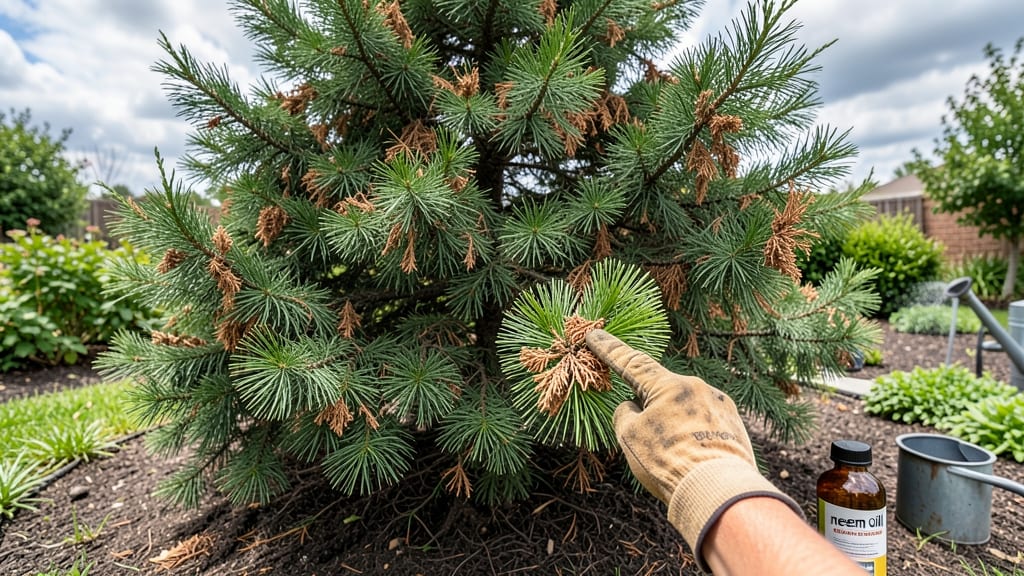
Your cedar tree’s leaves turning brown are screaming for help—🌿 and I’ve seen this exact problem ruin otherwise healthy trees. The good news? Most cases aren’t permanent, and fixing them just takes knowing what’s really going on beneath those needles.
I’ve spent years diagnosing why cedars turn brown, and the culprits are almost always one of three things: water stress, fungal infections, or pest pressure hiding in plain sight.
The first step is figuring out which one you’re dealing with. Check the pattern—are the brown needles scattered randomly, clustered in bands, or concentrated at the tips? That tells you whether it’s drought, disease, or something chewing away unseen.
I’ll walk you through the three most common fixes, all organic and all proven to bring those needles back to life within a season.
What you’ll end up with is a cedar that looks thriving again—dark green, full, and resistant to future browning. The best part? These solutions work whether your tree is young and struggling or mature with decades of history. Let’s get that foliage back to its rich, healthy color.
We’ll start with the most likely cause in your case—because once you know the problem, the fix is simple. And no, you don’t need harsh chemicals to bring your cedar back from the brink.
Root Causes Of Browning Leaves
Understanding why your cedar tree’s leaves are turning brown starts with identifying the underlying stress factors. Unlike seasonal color shifts, persistent browning signals a problem—often tied to environmental, biological, or cultural issues. Below, we break down the most common culprits with clear explanations and actionable insights.
Cedar trees thrive in specific conditions, and when these are disrupted, browning leaves often follow. Here’s what’s likely at play:
- 🔥 Extreme Heat or Drought Cedar trees are drought-tolerant, but prolonged intense heat (especially above 90°F) or severe water scarcity forces leaves to shut down moisture-loss pathways.
This triggers necrosis (cell death), causing brown, crispy edges or entire leaves. Action: Deep watering once a week during dry spells (1–1.5 inches of water) mimics natural rainfall patterns.
- ❄️ Winter Burn or Cold Stress Cedar leaves can suffer freeze damage when exposed to sudden temperature drops below 15°F, especially if they’re dehydrated.
Symptoms include brown patches or entire leaves turning papery. Action: Mulch heavily (3–4 inches) around the base and avoid pruning in late summer/fall to harden leaves for winter.
- 🌬️ Wind or Salt Exposure Coastal cedars or those in exposed areas may develop brown, scorched tips from salt spray or wind desiccation. Salt accumulates on foliage, disrupting cellular function. Action: Rinse leaves with fresh water after storms or install a windbreak (e.g., burlap screens) to reduce exposure.
Pests and pathogens are sneaky culprits that weaken cedars, leading to browning. Here’s how to spot them:
- 🐜 Bagworms or Spider Mites These pests skeletonize leaves (eat tissue between veins), leaving brown, lace-like patterns. Bagworms also create tent-like cocoons on branches. Action: Handpick cocoons or spray with neem oil (1 tbsp per gallon of water) in early summer.
- 🍄 Fungal Infections (e.g., Cedar Rust or Needle Blight) Fungi like Gymnosporangium juniperi-virginianae cause orange-brown pustules on leaves and stems. Overhead watering worsens spores. Action: Prune infected branches 12 inches below lesions and apply copper fungicide (follow label rates) in spring.
- 🦟 Root Rot (Phytophthora or Armillaria) Waterlogged soil leads to soil-borne fungi that rot roots, starving the tree. Symptoms include yellowing followed by brown, brittle leaves. Action: Improve drainage with gravel amendments or French drains and avoid overwatering.
Even well-intentioned care can backfire. These human errors often trigger browning:
- ⚖️ Over- or Under-Fertilizing Cedar trees prefer low-fertility soil. Excess nitrogen causes shoot growth at the expense of roots, leading to weak, brown leaves.
Conversely, nutrient deficiency (e.g., iron chlorosis) turns leaves yellow with brown edges. Action: Test soil (pH 5.0–7.0 ideal) and use slow-release organic fertilizer (e.g., composted manure) sparingly in early spring.
- ✂️ Improper Pruning Cutting into old wood (brown stems) or removing more than 25% of foliage in one season stresses the tree. Action: Prune only dead or diseased branches in late winter/early spring and use sterilized tools to prevent infection.
- 💧 Watering Woes Shallow watering encourages weak roots, while overwatering suffocates them. Brown leaves often signal root asphyxiation. Action: Water deeply but infrequently (every 7–10 days) and check soil moisture 3 inches down—it should be slightly dry.
Pro Tip: 💡 Start a "symptom journal" to track browning patterns (e.g., new growth vs. old leaves). This helps pinpoint whether the issue is environmental, biological, or cultural.
Quick Fixes for Browned Cedar Leaves
Brown or yellowing cedar leaves can be alarming, but most issues are treatable—especially when you address the root cause. Below, we’ve mapped out practical, organic solutions tailored to common culprits, from overwatering to fungal infections. Each fix includes actionable steps and prevention tips to keep your cedar tree thriving.
Signs: Yellowing leaves, soggy soil, or leaves turning brown and mushy.
How to Fix It: 🔥 Step 1: Check the Soil Use a trowel to dig 2–3 inches into the soil. If it feels damp or smells like wet earth, your tree is overwatered. Cedar trees prefer well-draining soil—if yours is clay-heavy, amend it with compost or coarse sand to improve aeration.
🍳 Step 2: Adjust Watering Habits - Water deeply but infrequently—cedars hate "wet feet."
Aim for 1–1.5 inches of water per week (including rainfall). - Water at the base, not overhead, to prevent fungal spores from splashing onto leaves. - Install a French drain if your yard has poor drainage or sits in a low spot.
👨🍳 Step 3: Prune Affected Branches Trim back any branches with mushy, brown leaves using sterilized pruners (wipe with rubbing alcohol). This improves airflow and reduces rot risk.
🥘 Step 4: Mulch Properly Apply a 2–3 inch layer of organic mulch (like pine straw or wood chips) around the tree’s base—but keep it 6 inches away from the trunk to prevent moisture buildup.
💡 Prevention Tip: Test your soil’s drainage by digging a hole, filling it with water, and timing how long it takes to drain. If it takes more than 6 hours, amend the soil immediately.
Signs: Brown spots with yellow halos, white powdery patches, or needle drop.
How to Fix It: 🔪 Step 1: Remove Infected Debris
- Rake up fallen leaves and dispose of them in the trash (not compost).
- Prune infected branches 6 inches below the damage to stop the spread.
⏰ Step 2: Apply Organic Fungicides
- Neem oil spray (1 tbsp per gallon of water) or baking soda solution (1 tsp baking soda + 1 quart water + a few drops of dish soap) can treat early infections.
- Spray both sides of leaves and reapply every 7–10 days until new growth appears.
🌡️ Step 3: Improve Air Circulation
- Thin out dense branches to reduce humidity near the tree.
- Avoid overhead watering—use drip irrigation instead.
✨ Prevention Tip: Space cedar trees 6–10 feet apart to prevent overcrowding, which fuels fungal growth. If your tree is in a shady, humid area, consider pruning nearby foliage to increase sunlight exposure.
Signs: Dry, crispy brown edges on leaves, especially on south- or west-facing sides.
How to Fix It: 💧 Step 1: Deep Water During Dry Spells
- Water slowly at the base (not the leaves) for 20–30 minutes once a week during droughts.
- Use morning watering to reduce evaporation.
🌿 Step 2: Provide Temporary Shade
- If your tree is young or newly planted, use shade cloth (30–50%) on the sunniest side for a few weeks.
- Mature trees may need no intervention—just monitor for recovery in cooler months.
📊 Step 3: Mulch to Retain Moisture
- Apply 3–4 inches of mulch (like cedar chips) around the root zone to lock in moisture and regulate soil temperature.
💪 Prevention Tip: If your tree is in a hot, exposed area, consider planting drought-tolerant companions (like lavender or Russian sage) nearby to reduce wind and heat stress.
Signs: Tiny webs, chewed leaves, or sticky residue (honeydew).
How to Fix It: 🕷️ Step 1: Handpick or Bagworm Bags
- Bagworms look like small cones—pick them off by hand and drop them in soapy water.
- For spider mites, blast leaves with a strong spray of water to dislodge them.
🍎 Step 2: Use Natural Pesticides
- Insecticidal soap (1 tbsp per quart of water) or horticultural oil (applied in early spring) can eliminate pests.
- Beneficial nematodes (for soil-dwelling pests) can be applied to the root zone.
🎯 Prevention Tip: Encourage predator insects like ladybugs and lacewings by planting native wildflowers nearby. Avoid broad-spectrum pesticides that harm beneficial bugs.
- Fertilize lightly (if needed) with an organic, slow-release fertilizer in early spring.
- Avoid pruning in fall—wait until late winter/early spring to reduce stress.
- Monitor for 2–3 months—new growth should emerge in spring or early summer.
By tackling the issue early and methodically, your cedar tree can bounce back with vibrant green needles in no time. Most problems are reversible with patience and organic care—no harsh chemicals required! 🌿
Frequently asked questions
Why are my cedar tree leaves turning brown only on the tips?
Brown tips on cedar leaves usually mean drought stress or salt exposure. These hardy trees signal thirst by browning leaf edges first. Check if your tree is in a hot, sunny spot or near de-icing salt (common in winter). Deep watering once a week during dry spells and rinsing leaves after storms often fixes this within 4-6 weeks.
Can I save my cedar tree if half its leaves are already brown?
Yes! The key is acting fast. If the browning started recently (within 2-3 months), your tree likely has reversible stress from drought, pests, or fungal issues. Focus on deep watering, pruning dead branches, and applying neem oil (for pests) or copper fungicide (for disease). New growth should appear in spring or early summer.
Is it normal for cedar trees to drop brown leaves in fall?
Not exactly. While cedars naturally shed some needles yearly, massive brown leaf drop in fall signals trouble. Healthy cedars lose only 10% of needles annually. If you're seeing more than that, check for bagworms (look for tent-like cocoons), root rot (mushy brown leaves), or winter burn (brown patches after cold snaps).
How do I know if my cedar tree has a fungal infection?
Look for these red flags: orange-brown pustules, white powdery coatings, or yellow halos around brown spots. Fungal infections like cedar rust thrive in humid, shaded areas. Prune infected branches 12 inches below lesions and apply copper fungicide (mix 1 tbsp per gallon of water) every 2 weeks until new growth appears.
Will pruning help my cedar tree recover from browning?
Strategic pruning boosts recovery by removing dead branches and improving airflow. Cut back only brown, brittle limbs (never more than 25% of foliage at once). Sterilize tools with rubbing alcohol to prevent spreading disease. Prune in late winter/early spring when the tree is dormant for fastest healing.