
Pruning
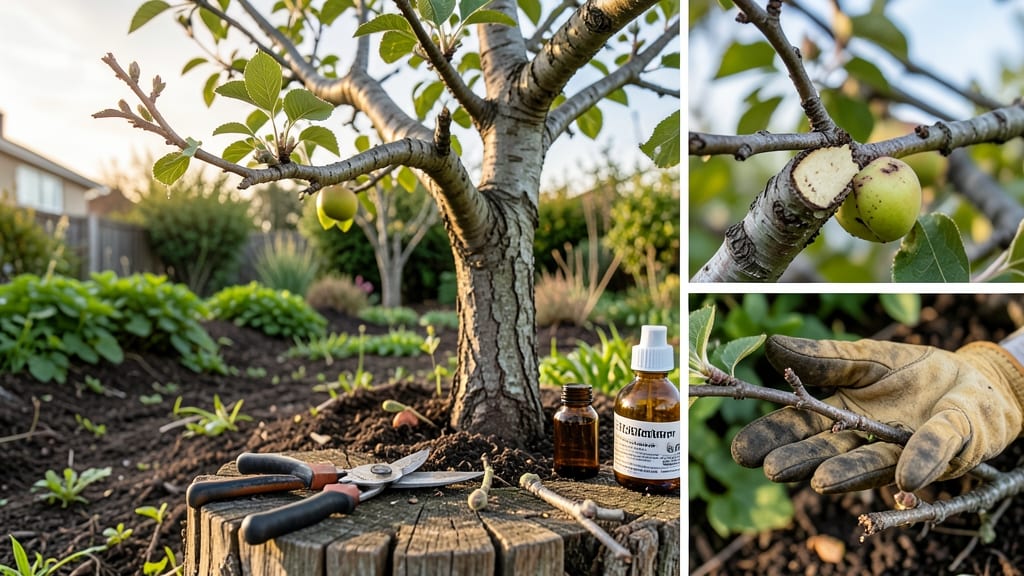
Trimming apple tree branches at the right time is the difference between a tree that thrives and one that struggles — and most gardeners miss the best window by months.
Picture this: You’ve just planted your 🍎 apple tree, eager for that first harvest. But if you trim too early or too late, you risk stunted growth, fewer flowers, and a weaker structure.
The key? Pruning during dormancy, when the tree’s energy is focused on root health rather than new leaves or fruit.
In USDA Zone 6a, that means late winter or early spring — typically between February and April, just before buds swell but well after the worst cold snaps. This timing ensures your cuts heal quickly and the tree is ready to burst into growth when warmer weather arrives.
Below, I’ll walk you through the exact steps, the tools you’ll need, and how to avoid the three biggest mistakes that weaken your tree. By the end, you’ll know exactly when to reach for those pruners — and how to do it for maximum fruit production.
Best times to trim apple tree branches for maximum fruit growth
Pruning your apple tree at the right time is the difference between a bountiful harvest and a struggling tree. Most gardeners make one critical mistake—they prune when the tree is actively growing, which stresses it and reduces fruit production.
The key is dormant season pruning, when the tree’s energy is conserved, and you can shape it without risking damage to flower buds.
Timing matters because apple trees bloom in early spring, and pruning too late can remove next year’s fruit clusters. Conversely, pruning too early in winter risks frost damage to fresh cuts.
The sweet spot? Late winter to early spring, just before buds swell but after the worst frost threats have passed.
Climate plays a huge role. In USDA Zone 5-6, aim for February to March when temperatures stay below 40°F at night. Gardeners in warmer zones (7-9) can prune slightly later, from January to February, but avoid bloom season (typically March-April). Always check your local last frost date—prune at least 4-6 weeks before buds break.
| Season | Ideal Pruning Window | Temperature Range | Key Goal |
|---|---|---|---|
| Late Winter | February (Zones 5-6) / January (Zones 7-9) | 20-40°F (-7 to 4°C) | Remove dead/diseased wood |
| Early Spring | March-April (before buds swell) | 35-50°F (2-10°C) | Thin branches for airflow |
| Summer (Light Pruning) | June-July (after harvest) | 60-85°F (15-30°C) | Remove water sprouts |
| Fall (Avoid) | September-November | N/A (Risk of frost) | Can stimulate new growth |
Here’s how to align pruning with your apple tree’s bloom cycle: Flower buds form in late summer, but they’re most vulnerable in early spring. By pruning in late winter, you remove branches that would compete for nutrients with next year’s fruit production.
Look for swollen buds—if they’re still firm, it’s safe to prune. If they’re soft or green, wait 2-3 weeks.
In colder climates (Zones 3-4), delay pruning until March to avoid frost damage to fresh cuts. Use a sharp pruning saw or loppers for branches thicker than ½ inch.
Always make cuts just outside the branch collar to prevent disease entry. Seal larger cuts with pruning sealant to reduce sap loss.
One common misconception is that you can prune anytime the tree isn’t blooming. But summer pruning should be minimal—only remove water sprouts or crossing branches. Heavy summer cuts can trigger vigorous regrowth that won’t harden off before winter, leaving your tree vulnerable to cold damage.
Save major work for dormant season.
For young apple trees (under 5 years), focus on structural pruning to create a strong scaffold. Remove branches growing toward the center or those rubbing against each other. In mature trees (10+ years), prioritize thinning to improve air circulation and reduce disease risk.
Aim to remove 20-30% of the canopy in dormant season—never more than 30% in one year.
If you missed the dormant season window, don’t panic. You can do light pruning in late spring (after bloom) to correct shape, but avoid heavy cuts. The goal is to minimize stress—never remove more than 10-15% of the canopy outside of dormant season.
Always prioritize health over aesthetics; a tree with dead branches or diseased wood should be pruned immediately, regardless of season.
Pro tip: Mark your pruning calendar based on your local apple tree variety. Late-blooming varieties like Granny Smith can tolerate slightly later pruning, while early bloomers like McIntosh need earlier cuts.
Check with your local extension office for region-specific advice—they’ll know the exact last frost dates that affect your timing.
Remember, the best time to prune is when your tree is <
Step-by-step dormant season pruning guide for apple trees
Dormant season pruning is the best time to shape your apple tree and remove problematic branches without stressing the plant. When done correctly, this process improves airflow, sunlight penetration, and future fruit production.
The key is timing—wait until after the last frost but before buds swell in late winter or early spring.
Before you begin, gather your pruning tools: a sharp bypass pruner for small branches, loppers for medium-sized limbs, and a pruning saw for thick branches over 2 inches in diameter. Always sterilize your tools with rubbing alcohol to prevent spreading disease between cuts.
- 1 Identify dead or diseased wood by looking for branches that are brown inside, cracked, or lacking leaves. These should be removed first to prevent disease spread.
- 2 Thin out crossing branches to improve air circulation. Remove one of the two branches where they intersect, always cutting back to a bud or lateral branch.
- 3 Shape the tree by cutting back suckers and water sprouts—these are fast-growing, vertical shoots that drain energy. Aim for a balanced canopy with an open center.
- 4 Make clean cuts at a 45-degree angle, about 1/4 inch above an outward-facing bud. This encourages faster healing and proper regrowth direction.
- 5 Dispose of pruned branches properly by bagging them and removing them from your yard. This helps prevent pests and diseases from reinfecting your tree.
After pruning, seal larger cuts (over 2 inches in diameter) with pruning sealant to protect against bacterial infections. Monitor your tree over the next few weeks for any signs of stress, like yellowing leaves or oozing sap, which may indicate over-pruning.
Remember, never prune more than 25% of your apple tree’s canopy in a single season. This ensures the tree retains enough leaf surface to produce energy through photosynthesis during the growing season.
With proper dormant season pruning, your tree will reward you with healthier branches and a bountiful harvest next year.
For young apple trees, focus on establishing a strong central leader and scaffold branches. Older trees benefit from rejuvenation pruning, where you gradually open the canopy to improve light and air access to the inner branches.