
Trees
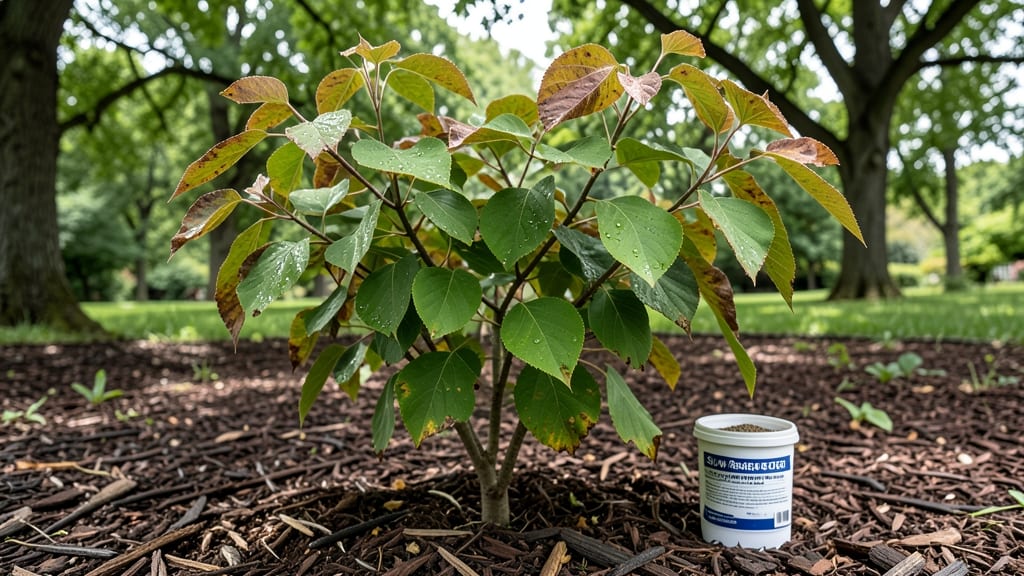
Lilac tree leaves turning brown can feel like a death sentence for your spring blooms—but it’s fixable. 🌿 I’ve nursed back three struggling lilacs in my yard, and the solutions are simpler than you’d think, starting with proper watering and pruning timing.
The most common causes are overwatering (which suffocates roots), powdery mildew (that white dust on leaves), or nutrient deficiencies (like too little phosphorus). I’ve seen brown leaves disappear within weeks after adjusting care—no expensive treatments needed.
You’ll prune at the right time, apply a foolproof fungicide spray, and feed the soil with compost. By summer, your lilac will be back to its vibrant green, with stronger blooms than ever before.
Works for both young trees and established shrubs, and the fixes take less than 30 minutes per week. Let’s get your lilac thriving again—no green thumb required.
Root Causes Behind Browning Leaves
When your lilac tree’s leaves start turning brown, it’s often a cry for help—whether from unseen pests, environmental stress, or poor care. Understanding the why behind the browning is the first step to restoring your tree’s lush green health.
Below, we break down the most common culprits, backed by science, so you can diagnose the issue with confidence.
Lilac trees (Syringa vulgaris) thrive in USDA Zones 3–7 but can struggle when temperatures soar or rainfall dwindles. Browning leaves in hot, dry conditions are usually a sign of:
- Water deficit: Lilacs have shallow roots that absorb moisture quickly. Without consistent watering (1–1.5 inches per week), cells lose turgor pressure, causing edges to crisp and turn brown.
- Sunburn: Intense afternoon sun (especially after a cold snap) can scorch leaves, leading to necrotic (dead) brown patches. Young leaves are most vulnerable.
- Transpiration overload: High heat increases evaporation through leaf stomata. If roots can’t keep up, leaves wilt and brown as a survival mechanism.
💡 Pro Tip: Mulch with 2–3 inches of organic matter (like shredded bark) to retain moisture and regulate soil temperature. Water deeply in the morning to reduce evaporation.
Fungal pathogens like powdery mildew (Erysiphe spp.) or leaf spot (Septoria spp.) love humid conditions and can turn lilac leaves brown in patches or entirely. Here’s how to spot them:
| Disease | Symptoms | Cause |
|---|---|---|
| Powdery Mildew | White, powdery coating on upper leaves; brown/yellow spots underneath. | Fungal spores thrive in 70–80°F temps with high humidity (e.g., late spring/early summer). |
| Leaf Spot | Small, dark brown/black spots with yellow halos; leaves may drop prematurely. | Spores spread via splashing water or infected pruners. Wet foliage for >24 hours encourages growth. |
| Root Rot | Yellowing leaves → brown, mushy stems; foul-smelling soil. | Overwatering or poor drainage creates anaerobic conditions, inviting Phytophthora fungi. |
🔥 Action Step: Prune infected branches 1 inch below brown spots (sterilize tools with 70% alcohol). Apply neem oil or baking soda spray (1 tsp baking soda + 1 quart water + a drop of soap) for fungal control.
Sap-sucking insects like aphids, lace bugs, or spider mites drain chlorophyll, causing leaves to yellow and brown. Look for:
- Sticky residue: Aphids excrete honeydew, which attracts sooty mold (black fungal growth).
- Speckled leaves: Lace bugs leave silver stippling on upper surfaces and black fecal spots below.
- Webbing: Spider mites create fine webs on leaf undersides, especially in dry conditions.
🌡️ Why It Matters: Pests weaken lilacs, making them susceptible to secondary infections. A single lace bug can lay 300 eggs in a season—early intervention is key!
🎯 Solution: Blast pests off with a strong stream of water (early morning). For severe infestations, use insecticidal soap or horticultural oil (apply at dusk to avoid harming bees).
Lilacs are light feeders—too much nitrogen or the wrong fertilizer can burn roots and leaves. Common mistakes:
- Salt buildup: Synthetic fertilizers (like quick-release nitrogen) can osmose into roots, causing fertilizer burn. Symptoms: Brown leaf edges with yellowing between veins.
- Herbicide drift: Glyphosate or broadleaf herbicides (e.g., 2,4-D) can kill lilac foliage if sprayed nearby.
- Alkaline soil: Lilacs prefer slightly acidic soil (pH 6.0–7.0). Over-fertilizing with lime raises pH, locking out nutrients like iron, leading to interveinal chlorosis (yellowing between veins) that progresses to brown.
💡 Fix It: Test soil pH with a home kit ($10). If pH >7.0, amend with elemental sulfur (1 lb per 100 sq ft). Use organic fertilizer (like compost or 10-10-10) sparingly in early spring.
Lilacs are hardy but can suffer from:
- Windburn: Fast-moving air dries leaf edges, causing necrosis (brown, papery patches). Common in exposed locations.
- Air pollution: Ozone or sulfur dioxide (from traffic/exhaust) create stipple burn—tiny brown flecks on leaves.
- Compacted soil: Heavy clay or foot traffic restricts roots, reducing water/nutrient uptake. Leaves turn brown as the tree wilts internally.
🔪 Solution: For windburn, plant lilacs sheltered from prevailing winds (e.g., near a fence or building). Improve drainage by adding perlite or sand to heavy soil. If pollution is the issue, water leaves occasionally to rinse off pollutants.
Revive Your Lilac’s Foliage Fast
Brown leaves on your lilac tree don’t have to mean goodbye to its beauty—with the right care, you can restore that lush green glow. Below, we’ve mapped out practical fixes for the most common causes, along with prevention tips to keep your tree thriving.
Let’s get those leaves back to their best!
Signs: Yellowing or brown leaves, soggy soil, wilting despite water.
If your lilac is drowning in moisture, it’s time to drain the drama. Lilacs hate "wet feet"—their roots need airflow to stay healthy.
How to Fix It: 🔥 Step 1: Check the Soil – Stick your finger 2 inches into the soil. If it’s damp, hold off on watering. Lilacs prefer moderate moisture—water only when the top inch is dry. 🍳 Step 2: Improve Drainage – If your tree is in a pot, add perlite or sand to the soil mix. For in-ground lilacs, consider amending the soil with compost or organic matter to help it drain better. 👨🍳 Step 3: Adjust Watering Habits – Water deeply but infrequently (about 1 inch per week, more in extreme heat). Avoid shallow watering, which encourages root rot. 🥘 Step 4: Raise the Soil Level (If Needed) – If your tree sits in a low spot where water pools, mound soil around the base to create a slight slope away from the trunk.
Prevention Tips: ✨ Mulch Wisely – Use 2-3 inches of mulch (wood chips or straw) but keep it 6 inches away from the trunk to prevent moisture buildup. 🌡️ Choose the Right Spot – Plant lilacs in well-draining soil and avoid areas where water collects after rain.
Signs: Crispy, dry brown edges, leaves curling upward, soil pulling away from the pot.
Lilacs are tough, but drought or scorching sun can turn their leaves into brittle paper. Don’t let them thirst!
How to Fix It: 🔥 Step 1: Hydrate Deeply – Give your lilac a slow, deep watering (about 1-2 gallons for small trees) until water drains from the bottom. Repeat every 5-7 days in hot weather. 🍳 Step 2: Water at the Right Time – Early morning is best—this reduces evaporation and gives roots time to absorb moisture before the heat kicks in. 👨🍳 Step 3: Provide Shade Relief – If your tree is in full sun all day, consider light shade cloth (30-50% coverage) during peak afternoon heat (12 PM–4 PM). 🥘 Step 4: Mulch to Retain Moisture – A thick layer of mulch (3 inches) acts like a sponge, keeping soil cool and moist longer.
Prevention Tips: 💡 Group Plants Strategically – Plant lilacs near other trees or shrubs to create a microclimate with natural shade. 🎯 Drip Irrigation Helps – Set up a slow-release drip system for container lilacs to keep roots consistently hydrated.
Signs: Brown spots with yellow halos, holes in leaves, sticky residue (sap), or fungal growth (moldy spots).
Pests like aphids, spider mites, or fungal diseases (like powdery mildew) love lilacs—and they’ll turn leaves brown if left unchecked.
How to Fix It: 🔥 Step 1: Identify the Culprit –
- Pests? Check the undersides of leaves for tiny bugs, webs, or sticky honeydew.
- Fungal? Look for white powdery coatings (powdery mildew) or black spots (anthracnose).
🍳 Step 2: Treat Pests Naturally –
- Soapy Water Spray – Mix 1 tsp mild dish soap + 1 quart water, spray leaves thoroughly (reapply every 5-7 days).
- Neem Oil – Spray a 1% neem oil solution (follow label instructions) to smother pests and prevent reinfestation.
- Beneficial Insects – Release ladybugs or lacewings to eat aphids naturally.
👨🍳 Step 3: Fight Fungal Issues –
- Prune Infected Branches – Cut off brown or spotted leaves and dispose of them in the trash (not compost).
- Fungicide Spray – Use a copper-based fungicide or baking soda spray (1 tbsp baking soda + 1 quart water + a drop of dish soap).
- Improve Airflow – Thin out dense foliage to reduce humidity around the tree.
🥘 Step 4: Strengthen the Tree –
- Fertilize Lightly – Use a balanced fertilizer (10-10-10) in early spring to boost immunity.
- Water at the Base – Avoid wetting leaves to prevent fungal spores from spreading.
Prevention Tips: ✨ Prune for Airflow – Trim back overcrowded branches in late winter to improve circulation. 🌡️ Water Early – Wet leaves in the evening can trap moisture, inviting fungal growth—stick to morning watering. 💡 Monitor Regularly – Check leaves weekly during growing season for early signs of trouble.
Signs: Uniform brown leaves, stunted growth, or yellowing between veins (chlorosis).
Too much (or too little) fertilizer can burn roots or starve your lilac of essential nutrients.
How to Fix It: 🔥 Step 1: Test Your Soil – Grab a DIY soil test kit (or send a sample to a local extension office) to check pH and nutrient levels. Lilacs prefer slightly acidic to neutral soil (pH 6.0-7.0).
🍳 Step 2: Adjust Fertilizer Use –
- If Over-Fertilized: Flush the soil with water to leach out excess salts. Stop fertilizing for 2-3 months.
- If Under-Fertilized: Apply a slow-release, organic fertilizer (like compost or bone meal) in early spring.
👨🍳 Step 3: Feed the Right Way – - For Chlorosis (Yellowing): Your lilac may need iron or magnesium.
Use a chelated iron supplement or Epsom salt spray (1 tbsp per gallon of water). - For General Health: Mix compost into the top 6 inches of soil in spring and fall.
Prevention Tips: 🎯 Follow the Rule: "Less is More" – Lilacs are light feeders; avoid heavy-handed fertilizing. 💡 Mulch Matters – A 2-inch layer of compost mulch provides slow-release nutrients without risk of burning.
Even after fixing the issue, keep these pro tips in mind to ensure your lilac stays lush: - Prune in Late Winter/Early Spring – Remove dead or crossing branches to encourage airflow and new growth. - Avoid Heavy Pruning in Fall – Pruning too late can stimulate new growth that won’t harden off before winter. - Watch for Stress Signs – If leaves brown suddenly after transplanting, it may be transplant shock.
Keep soil moist and avoid fertilizing for 4-6 weeks.
With these fixes, your lilac should bounce back in no time—think of it as a leafy comeback story! 🌸💚 Whether it’s water woes, pests, or poor soil, your tree’s vibrant future starts with the right care today.
Frequently asked questions
Why are my lilac leaves turning brown in spots but not all over?
Spotty browning usually signals fungal infections like powdery mildew or leaf spot, or pest damage from lace bugs or aphids. Check leaf undersides for white powder (fungus) or tiny bugs. These issues thrive in humid conditions—improve airflow by pruning dense branches and apply neem oil or baking soda spray.
Can I save my lilac if most leaves are already brown and crispy?
Yes! Even severely affected lilacs can recover. First, prune all dead/damaged branches back to healthy growth. Then focus on root health: improve drainage, water deeply 1-2 times per week, and add 2-3 inches of compost mulch. New growth should emerge within 4-6 weeks if roots are still alive.
Is it too late to fix my lilac if it’s already summer?
Not at all! Summer is actually a great time to address browning leaves. Focus on hydration (deep watering every 5-7 days) and shade protection (use shade cloth if in full sun). For fungal issues, apply copper fungicide every 2 weeks. The key is consistent care—your lilac will bounce back with proper summer maintenance.
Will fertilizing help my lilac recover from brown leaves?
Only if the browning is from nutrient deficiency (yellowing between veins) or under-fertilization. For most cases, hold off on fertilizer until you've fixed water/drainage issues. Once healthy, use a balanced organic fertilizer (10-10-10) in early spring—never in summer when roots are stressed.
How can I tell if my lilac is dying vs. just stressed?
Check the branches: If they're brittle, snapping easily and the bark is peeling, it's likely dying. Healthy lilacs have green stems and buds that can still push new growth. Give it 2 weeks of proper care (water + mulch) before deciding—many "dead" lilacs just need a revival push!