
Pruning
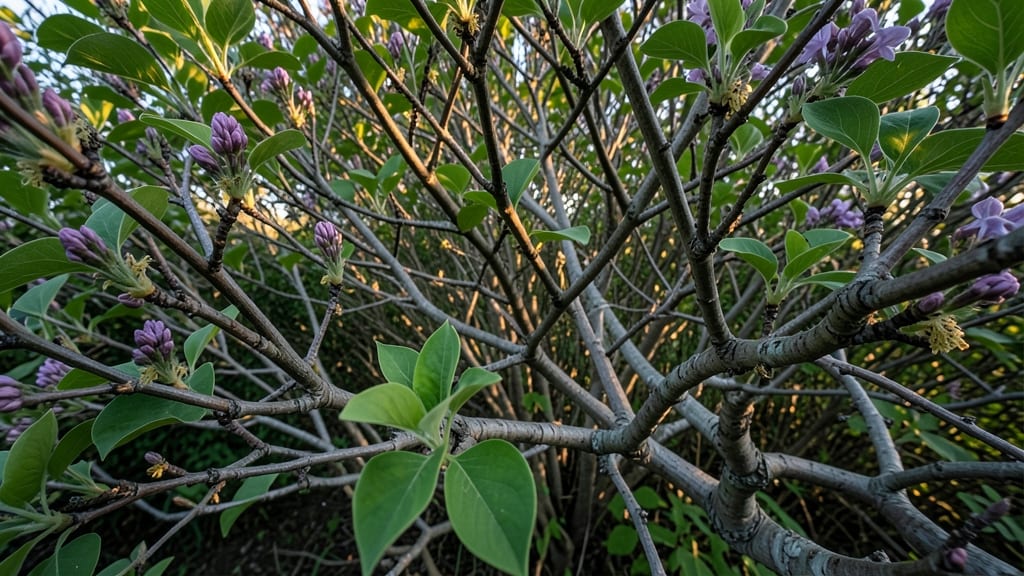
Revitalize your lilac tree with these expert-pruning techniques that encourage lush foliage and abundant blooms. Discover the best ways to manage sprouts for a healthier, more vibrant shrub every season.
Early Spring Pruning for New Growth
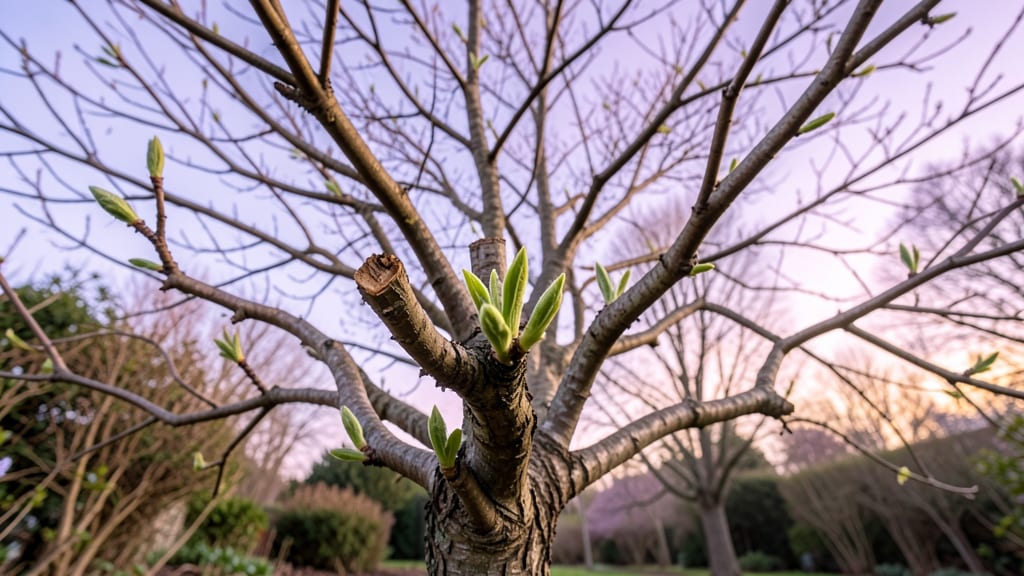
Transform your lilac tree’s dormant branches into a burst of fresh, vibrant sprouts by pruning in early spring—just as the buds begin to swell. This is the perfect time to remove winter-damaged wood and shape the tree for the upcoming blooming season, giving your lilac the energy it needs for lush, fragrant flowers.
Start by cutting back any dead, broken, or crossing branches to the nearest outward-facing bud or lateral branch. Avoid heavy pruning—focus on light shaping to encourage new growth rather than overstimulating the tree. Use clean, sharp pruners to make 45-degree cuts just above a bud, and remove no more than one-third of the tree’s total branches at once. This approach prevents stress and sets the stage for strong, healthy sprouts.
Early spring pruning is especially beneficial for gardeners who want to revitalize mature lilacs or encourage fuller blooms. By removing old wood, you’re redirecting the tree’s energy toward fresh growth, ensuring a more abundant display next season. 🌱
Summer Pruning to Control Sprout Size
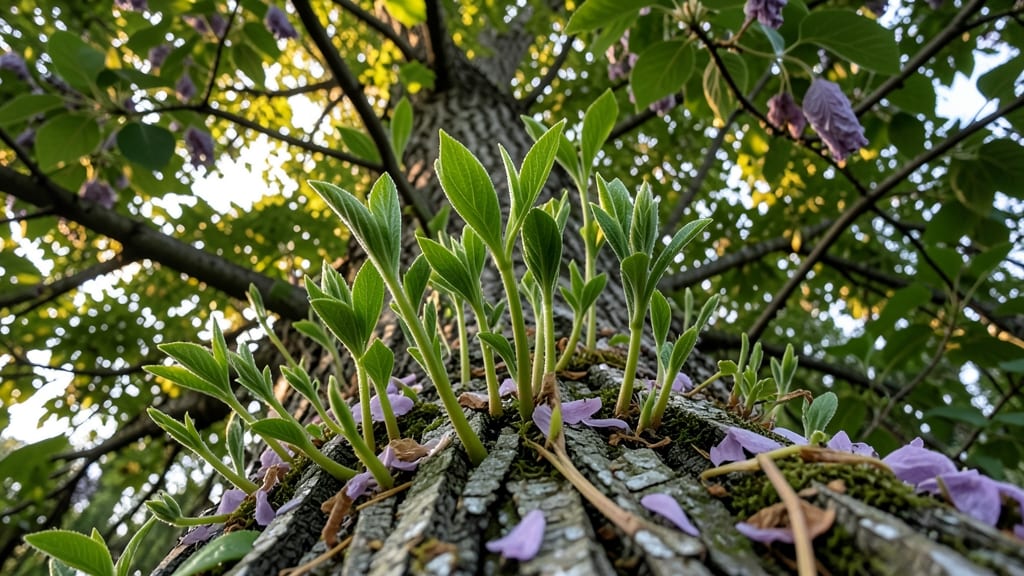
After your lilac tree finishes its spectacular spring bloom, those energetic new sprouts can quickly spiral into unruly overgrowth. Summer pruning is your secret weapon to keep them in check while ensuring next year’s flowers will be even more abundant.
Wait until mid-to-late summer (after blooming) to trim back any sprouts that exceed your desired size—typically cutting just above a leaf node or outward-facing bud. This redirects the plant’s energy toward stronger, more manageable growth rather than wild, leggy branches. Use sharp pruners for clean cuts and avoid removing more than one-third of the sprout’s length at once.
This technique is especially helpful for gardeners with limited space or those who want to maintain a tidy, well-shaped lilac tree. By summer, your tree will thank you with healthier foliage and a more controlled form. ✨
Thinning Out Overcrowded Sprouts
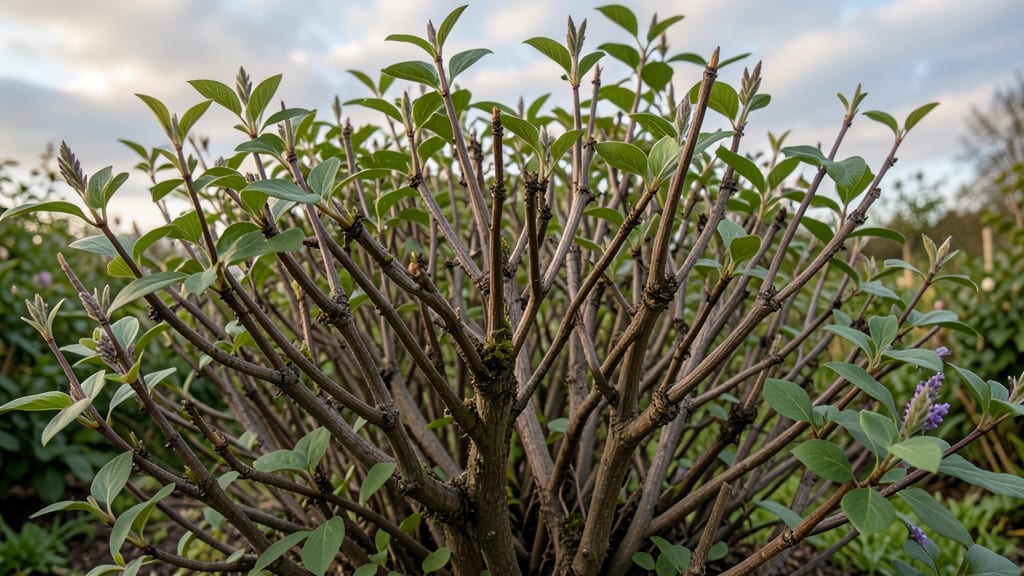
When your lilac tree sprouts look like a tangled mess, it’s time to step in—not to panic, but to thin them out. Overcrowded lilac sprouts compete for nutrients, sunlight, and air, often leading to weak blooms and even fungal issues. By strategically removing the thickest central sprouts, you’re not just tidying up—you’re setting the stage for stronger, more vibrant flowers next season.
Focus on removing 1-2 of the thickest, fastest-growing sprouts from the center of the tree, cutting them back to the base. This opens up the canopy, allowing sunlight to reach inner branches and air to circulate, which reduces humidity buildup and disease risk. Aim to leave 3-5 evenly spaced sprouts per section—this balance ensures your lilac stays lush without sacrificing bloom potential. Use sharp pruners for clean cuts, and avoid leaving stubs longer than ¼ inch.
This method is a game-changer for gardeners with mature lilacs or those struggling with sparse blooms. By creating space now, you’ll reward yourself with healthier foliage and more abundant, fragrant blooms in just one growing season. 🌟
Rejuvenation Pruning for Older Trees
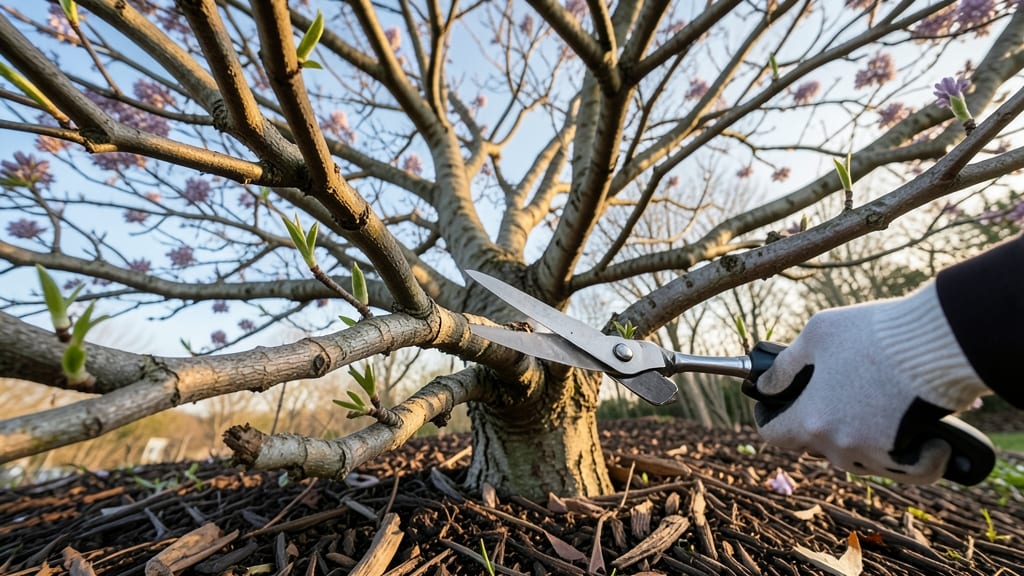
If your mature lilac tree has lost its lushness and vibrant blooms, it might be time for a dramatic transformation—rejuvenation pruning. This bold technique cuts back one-third of the oldest wood each year, sparking a burst of fresh lilac tree sprouts and rejuvenating the tree’s energy.
Start by identifying the thickest, oldest branches—these are the culprits behind sparse growth. Cut them back to a strong lateral branch or bud, using sharp pruners for clean cuts. This drastic trim may seem harsh, but it forces the tree to redirect its energy into new, vigorous growth. For best results, perform this pruning in late winter or early spring before new growth begins.
This method is ideal for gardeners with established lilacs that have become woody or overgrown. Within a year, you’ll see a fuller, more youthful tree with abundant blooms and healthier foliage. 🌻
Pruning for Fragrant Bloom Clusters

Want your lilac tree to burst with show-stopping, fragrant blooms? The secret lies in strategic pruning of lateral branches—this simple technique redirects energy toward creating denser, more aromatic flower clusters for next season.
Focus on trimming back the smaller side branches (lateral sprouts) that grow from the main stems, cutting them back by about one-third. This opens up the center of the tree, allowing sunlight to reach deeper branches and encouraging the formation of larger bloom clusters. Time your cuts right after the tree finishes flowering in early summer, giving new growth time to harden off before winter. For the most dramatic results, repeat this process annually—your lilac will reward you with intensely fragrant blooms that fill your garden with intoxicating scent. 🌷
Winter Pruning to Prevent Disease
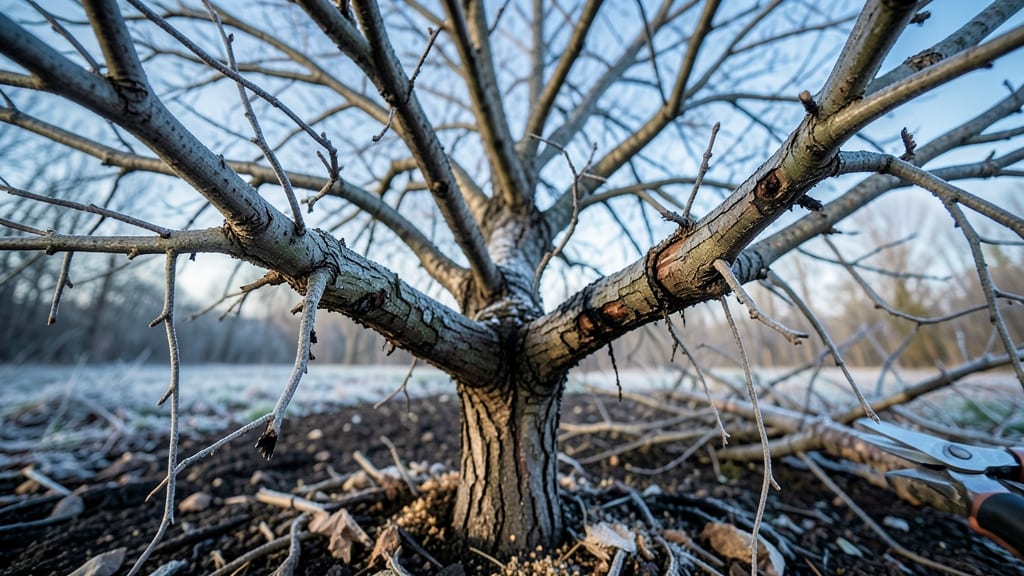
Winter is the perfect time to tackle hidden problems in your lilac tree before they become visible—and dangerous. By pruning dead or diseased wood during dormancy, you’re not just cleaning up; you’re preventing pathogens from hitching a ride on new sprouts when spring arrives.
Focus on removing branches that show signs of fungal infections, cankers, or dieback—look for discolored, mushy, or hollow wood. Use sterilized pruners and cut back to healthy tissue, avoiding jagged edges that can trap moisture. This disease-prevention step is especially critical for older trees or those in humid climates where fungal spores thrive.
Gardeners in colder regions will find this the most effective way to safeguard next year’s blooms. A little winter prep now means fewer surprises—and more fragrant lilacs—when spring rolls around. 🌿
Encouraging Sprouts from the Base
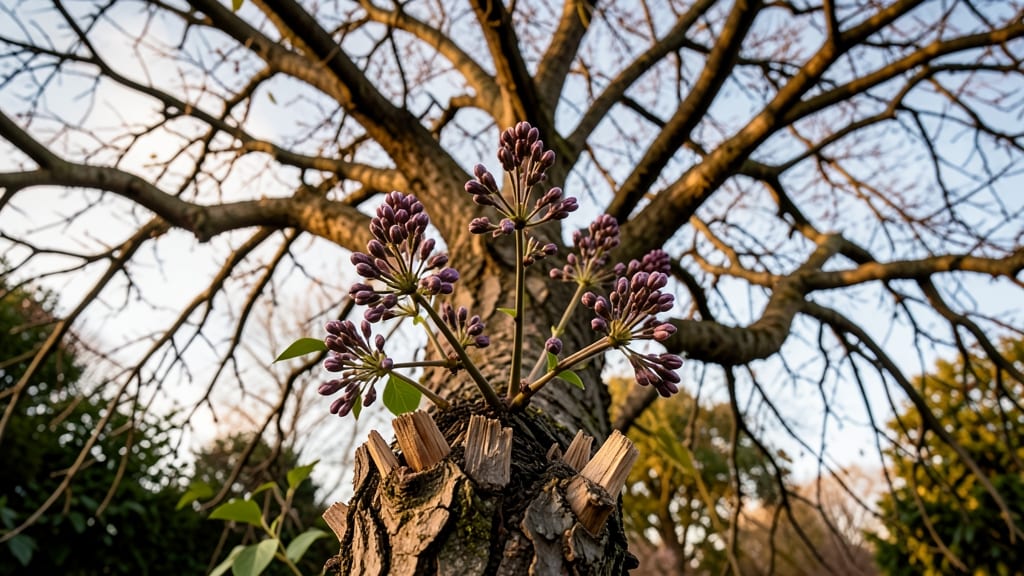
Want your lilac tree to look fuller and bushier? The secret lies in its base—where dormant buds hold the potential for vibrant new growth. By strategically pruning lower branches, you can unlock a cascade of fresh sprouts that transform a leggy shrub into a lush, rounded masterpiece.
Start by removing any dead or crossing branches at the base in late winter or early spring, just as new growth begins to emerge. Focus on cutting back branches that are older than 3 years to redirect energy toward younger, more vigorous sprouts. Make clean cuts just above a bud or lateral branch to encourage outward growth rather than upward. This method not only thickens the base but also improves airflow, reducing the risk of fungal issues.
This technique is ideal for mature lilacs that have lost their youthful density or for gardeners aiming to create a fuller hedge. With patience, your lilac will reward you with a denser canopy and more abundant blooms year after year. 🌱
Pruning for Compact Growth Habits

Tired of leggy lilac sprouts sprawling beyond your garden’s edges? Compact pruning is your secret weapon for keeping lilacs tidy—whether in a small yard or a container garden. This technique focuses on trimming back overlong branches while preserving the shrub’s natural shape, ensuring it stays manageable without sacrificing blooms.
Start by targeting the longest, leggy sprouts that stretch outward, cutting them back to a lateral bud or branch. Aim to reduce height by about one-third while maintaining an open center for airflow. For container-grown lilacs, prune just after flowering to encourage bushier growth before the next season. Use sharp pruners to make clean cuts at a 45-degree angle, avoiding jagged edges that invite disease.
This method is perfect for urban gardeners, balcony planters, or anyone short on space. By keeping lilacs compact, you’ll enjoy fragrant blooms without the chaos of unruly growth. 🌻
Avoiding Over-Pruning Young Sprouts
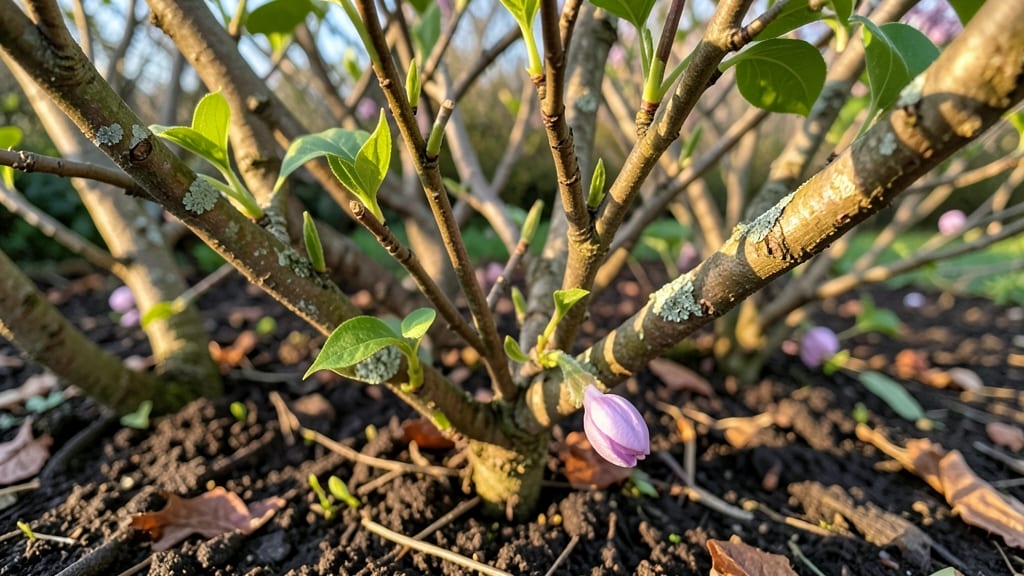
New lilac sprouts may look delicate, but pruning them too aggressively can send them into shock and stunt their growth for years. The key is to trim with a light touch—just enough to shape without sacrificing their future potential.
Focus on removing only overlapping or crossing branches, leaving at least 60% of the sprout intact. Avoid cutting back more than 1/3 of any single sprout in a season, and always use clean, sharp shears to prevent tearing. This minimal approach ensures the plant directs energy toward root development and next year’s blooms.
This method is perfect for beginner gardeners or anyone with young lilac trees, as it builds a strong foundation for future pruning efforts. 🌱
Pruning for Pest Resistance

Tired of battling aphids, spider mites, or borers in your lilac tree? The secret to a pest-free shrub lies in strategic pruning that eliminates their favorite hiding spots—those tangled, dense sprouts where they thrive undetected.
Focus on removing overlapping, crisscrossing branches and thick clusters of new growth that block airflow and sunlight. Use sharp pruners to make clean cuts just above outward-facing buds, ensuring sunlight can reach the center of the tree. This open structure discourages pests by reducing humidity and moisture traps where insects love to nest. Aim for a well-ventilated canopy by trimming in late summer or early fall, when new sprouts are still manageable but pests haven’t yet established colonies.
Gardeners in humid climates or urban areas with limited airflow will see the biggest benefits. A pest-resistant lilac not only stays healthier but also requires fewer chemical interventions, making it a win for both your plants and pollinators. 🌿