
Pruning
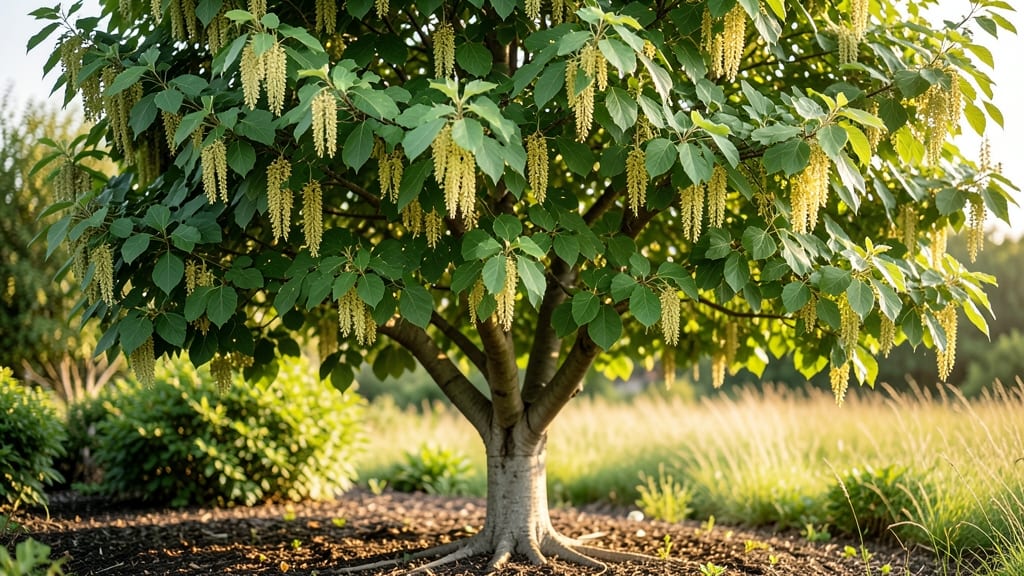
Spring is the perfect time to prune your lime tree for fruitfulness all year. ✂️ I’ve learned that cutting at the right time—just after blooms fade—boosts growth and keeps pests away. The key is timing: too early, and you sacrifice flowers; too late, and you stress the tree.
You’ll need sharp pruners, a ladder (for taller trees), and a bucket for clippings. Focus on removing dead branches first, then thin out crowded growth to let sunlight reach the center. This opens up the canopy for better air circulation, which is a game-changer for disease prevention.
By summer, you’ll see lush, vibrant foliage with fewer pests gnawing at the leaves. The tree will reward you with more blooms and sweeter fruit later in the season. Pruning now sets the stage for a productive year ahead.
Works for both dwarf and standard lime trees, whether in pots or planted in the ground. Here’s how to do it right the first time—no guesswork!
📚 In This Guide
- What you need
- Instructions
- Tips and common mistakes
- Wrapping up and next steps
What you need
- ● Pruning shears: Bypass pruners (for clean cuts on small branches) and loppers (for thicker branches, 1.5–2 inches in diameter). Sharpness is key!
- ● Hand saw: Pruning saw (for branches over 2 inches thick). Look for a curved blade for precision.
- ● Disinfectant: 70% isopropyl alcohol or a bleach solution (1 part bleach to 9 parts water) to sterilize tools between cuts.
- ● Gloves: Heavy-duty gardening gloves (to protect against thorns and sap). Opt for nitrile-coated for extra grip.
- ○ Ladder (optional): Sturdy, extendable ladder (if your tree exceeds 6–8 feet tall). Ensure it’s rated for your weight.
- ○ Pruning sealant (optional):strong> Tree wound pruning paste (for large cuts over ½ inch in diameter). Use sparingly—modern research suggests it’s often unnecessary!
- ● Trash bags or bucket: For collecting debris. A 5-gallon bucket works well for small trees.
- ● Notebook & pen: To jot down notes on cuts made (helpful for tracking growth patterns!).
- ● Weather check: Prune on a dry, overcast day (or early morning) to avoid stressing the tree.
- ● Safety glasses: Protect your eyes from debris—ANSI-rated lenses are ideal.
- ● Long sleeves/pants: Lime tree sap can irritate skin. Wear lightweight, breathable fabric.
- ● First-aid kit: Just in case (bandages, antiseptic wipes, and tweezers for splinters).
- ● Tree health assessment: Inspect your lime tree for signs of disease (e.g., cankers, oozing sap, or unusual leaf spots) before pruning. Skip pruning if pests or illness are present!
How to prune a lime tree in spring for stronger growth
Spring is the perfect time to shape your lime tree—just a few strategic cuts now ensure fruitfulness all year.
🌱 Step 1: Identify and Remove Dead or Diseased Branches
Start by scanning your tree for any branches that look brown, brittle, or hollow. These are dead and should be removed immediately—they drain energy from healthy growth. Use clean, sharp pruning shears to cut just outside the branch collar, where the branch meets the trunk. This prevents unsightly stubs and promotes faster healing.
If you spot any branches with signs of disease—like oozing sap, unusual spots, or fungal growth—remove those too. Disinfect your shears with rubbing alcohol between cuts to avoid spreading anything. You'll know you're doing it right when the cuts look clean and the tree's structure feels more open and airy.
✂️ Step 2: Trim Back Overcrowded or Crossing Branches
Next, look for branches that are growing too close together or crossing each other. These compete for sunlight and nutrients, weakening the tree. Use your shears to cut back the smaller or weaker branch at its base. Always make your cuts at a 45-degree angle just above an outward-facing bud to encourage healthy regrowth.
If two branches are rubbing against each other, remove the one that’s growing downward or inward. This prevents damage to the bark and keeps the tree’s shape balanced. You’ll notice the tree’s canopy opening up as you work—this is exactly what you want for better airflow and fruit production.
☀️ Step 3: Shape the Tree for Better Light and Airflow
Step back and assess the tree’s overall shape. Aim for an open, vase-like structure that allows sunlight to reach the inner branches. Cut back any branches that are growing straight upward or inward, thinning them out by about one-third if needed. This encourages the tree to grow outward and produce more fruit.
Focus on removing branches that block sunlight from the center of the tree. You’ll know you’ve done enough when you can see light filtering through the canopy easily. Avoid over-pruning—never remove more than 25% of the tree’s foliage in one session, or you’ll stress the lime tree.
💧 Step 4: Clean Up and Apply a Light Fertilizer
After pruning, rake up and dispose of all the clippings to reduce the risk of disease. Now’s a great time to apply a balanced, citrus-friendly fertilizer (like a 6-6-6 or 8-3-9 blend) to give your tree a nutrient boost for the growing season. Follow the package instructions for application rates—usually about ½ to 1 pound per 100 square feet of soil.
Water the tree deeply right after fertilizing to help the nutrients absorb into the soil. You’ll see new growth within a few weeks, signaling that your pruning efforts are paying off. Keep an eye out for any signs of stress, like yellowing leaves, and adjust your care as needed.
Tips & tricks for perfect lime tree pruning in spring
Here's what nobody tells you about pruning your lime tree—these little-known tricks make all the difference.
Tool Prep: Before you even touch your tree, take 5 minutes to sharpen your pruning shears. Dull blades crush branches instead of cutting cleanly, which invites disease. I keep a small file in my toolkit just for this purpose—it's a game-changer for clean cuts that heal properly. Also, wipe down your shears with rubbing alcohol between cuts, especially when dealing with diseased branches. This simple step prevents cross-contamination that could spread problems throughout your tree.
Visual Cues for Healthy Cuts: When making your 45-degree cuts in Step 2, look for the branch collar—the swollen area where the branch meets the trunk. This is your target spot for cutting. A good rule of thumb is to make your cut about 1/8 inch outside this collar. You'll know you're doing it right when the cut looks smooth and the bark underneath is still intact—no rough edges that could trap moisture and cause rot.
Pruning Timing: While spring is ideal, timing matters even more than you think. Aim to prune right after your last frost date but before new growth starts. This gives your tree time to heal before summer's heat stress. I've learned this the hard way—pruning too early can expose tender new growth to cold snaps, while waiting too long means you'll be cutting back fresh leaves instead of shaping the tree's structure.
Fertilizer Application: When applying that ½ to 1 pound of citrus-friendly fertilizer per 100 square feet, focus on the root zone—not the trunk area. Spread it evenly in a 6-inch band around the drip line (where the branches end). After fertilizing, water deeply but slowly to help the nutrients penetrate the soil. I've seen trees struggle when fertilizer sits on the surface—it can burn roots if not watered in properly.
Pro Tips for Lime Tree In Spring
- Here's what nobody tells you about pruning your lime tree—these little-known tricks make all the difference.
- Tool Prep: Before you even touch your tree, take 5 minutes to sharpen your pruning shears.
- Visual Cues for Healthy Cuts: When making your 45-degree cuts in Step 2, look for the branch collar—the swollen area where the branch meets the trunk.
Frequently asked questions
Got questions about pruning your lime tree in spring?
You’re not alone! Here are answers to the most common concerns—so you can keep your tree thriving with confidence.
When is the exact best time to prune a lime tree in spring?
Prune your lime tree after the last frost but before new growth sprouts—typically late March to early May in most U.S. zones. Avoid heavy pruning during flowering (late spring) to protect fruit production. If you missed the window, light shaping cuts are still fine!
How much can I trim off without hurting my lime tree?
Never remove more than 25-30% of the canopy in one season. Focus on thinning out crowded branches (especially water sprouts) and dead wood. Over-pruning stresses the tree and reduces fruit yield. Pro tip: Use sharp tools to make clean cuts just outside the branch collar!
Will pruning now affect my lime harvest this year?
Light pruning (removing dead/diseased branches) won’t hurt fruit production, but heavy cuts in spring may delay harvest by 2-4 weeks. Save aggressive shaping for dormant seasons (winter). If you prune now, prioritize air circulation to prevent fungal issues like Alternaria.
Can I prune a young lime tree the same way as a mature one?
No! Young trees (under 3 years) need structural shaping to encourage strong branching. Remove competing vertical shoots and thin out the center for airflow. Mature trees focus on rejuvenation cuts—targeting older wood and water sprouts. Pro tip: Train young trees with a central leader!
Should I prune flowers or fruit off my lime tree in spring?
Leave all healthy flowers and young fruit—they’re essential for next year’s harvest! Only remove damaged or diseased fruit. If your tree is overloaded, thin clusters to 6–8 inches apart to improve size/quality. Warning: Avoid pruning during peak bloom (bees need the nectar!)
What if my lime tree starts oozing sap after pruning?
Sap oozing (called bleeding) is normal but unsightly. It won’t harm the tree—just clean cuts with pruning sealant (optional) to deter pests. If sap turns black/moldy, wipe it with a 10% bleach solution to prevent fungal growth. Most trees recover fully within weeks!
Are there alternatives if I don’t have pruning shears?
Yes! Use clean, sharp tools like:
- Hand saws (for thick branches)
- Loppers (2–6 inch branches)
- Even a well-sharpened kitchen knife (for tiny twigs—sterilize first!)
Wrapping up and next steps
Spring is the perfect time to give your lime tree the care it deserves—and with the right pruning techniques, you’ll set it up for vibrant growth, bountiful fruit, and long-term health. 🌿 Whether you’re trimming for shape, airflow, or disease prevention, remember: confidence comes with practice, so start small and observe your tree’s response.
Now that you’re armed with the know-how, grab those shears and make this spring the season your lime tree thrives!
🌱 Next Steps:
- Schedule a pruning session—pick a mild, dry day to avoid stressing the tree.
- Monitor your tree over the next few months for new growth or signs of stress.
- Share your progress! Snap a photo of your pruned lime tree and tag us—we’d love to see your green thumb in action. 📸