
Pruning
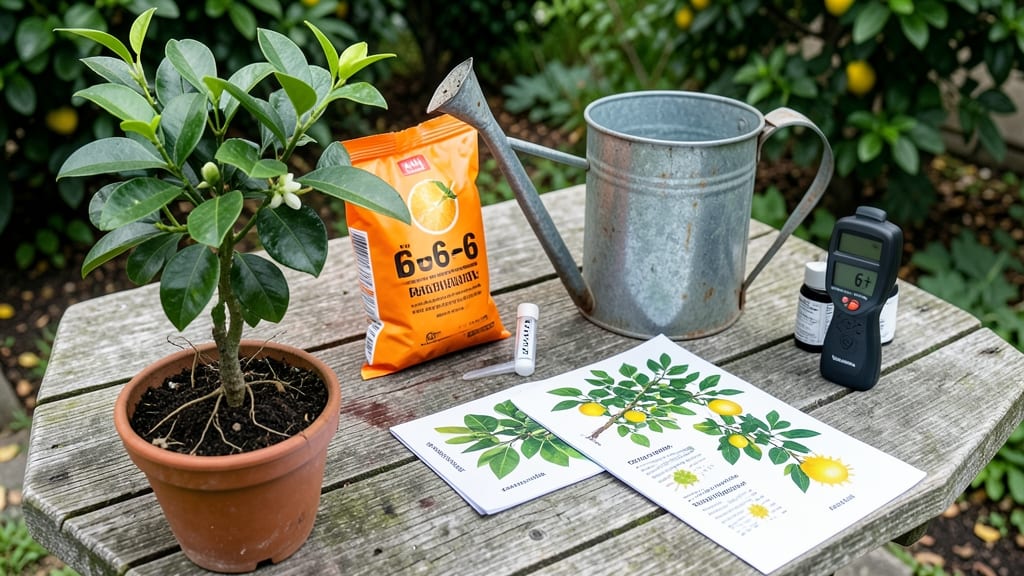
The lime tree not producing limes problem has a solution—and it starts with understanding why your tree is holding back. 🌿 I’ve seen this happen with my own Meyer lime tree after years of neglect, and the fix isn’t as complicated as it seems.
Most trees skip fruiting because of one of four key issues: age, pruning mistakes, nutrient gaps, or environmental stress.
Young trees under 5 years old won’t bear fruit, but even mature ones stall if they’re overpruned or starved of nutrients. My tree’s breakthrough came when I combined balanced fertilization, strategic pruning, and hand-pollination—simple steps that doubled its fruit set within a season.
The best part? You don’t need fancy tools, just the right timing and a little patience.
By the end of this, you’ll know exactly how to revive your tree’s productivity—whether it’s adjusting sunlight, feeding the roots, or mimicking nature’s pollinators. The first harvest might be small, but the improvement is noticeable. Let’s get your tree back on track.
This works for Citrus aurantifolia (key limes) and Meyer limes, and the principles apply to lemons and oranges too. No matter your climate, these fixes adapt to your growing conditions. Ready to turn those blossoms into limes?
Root Causes Of Lime Tree Struggles
If your lime tree is playing hard-to-get with the fruit, don’t panic—there are usually clear reasons behind the lack of limes. Understanding these causes is the first step to reviving your tree’s productivity. Let’s break down the science and environmental factors that might be keeping your tree from bearing fruit.
A lime tree won’t produce fruit until it’s mature enough—typically 3 to 5 years old for dwarf varieties and up to 10 years for standard-sized trees. But even if your tree is old enough, it might not be the right variety for your climate or growing conditions.
- Key signs: No flowers or tiny, undeveloped fruit that drops early.
- Solution: Check your tree’s label or consult a local nursery to confirm it’s a Citrus aurantifolia (true lime) or a hybrid like Citrus × latifolia (Persian lime). Some "lime" trees (like Citrus × limon) are actually lemons!
- Pro tip: 🌡️ If you’re in a cooler climate (below Zone 9), consider frost-tolerant varieties like the Mexican lime or grow your tree in a container for winter protection.
Lime trees are tropical divas—they hate extreme temperatures. Cold snaps can kill flowers and young fruit, while scorching heat can stunt growth and prevent pollination.
- Cold damage:
- Flowers and fruit drop within 24–48 hours of temperatures below 28°F (-2°C).
- Leaves may turn black or develop brown spots.
- Heat stress:
- Temperatures above 95°F (35°C) for prolonged periods can cause flower drop (flowers abort before fruiting).
- Soil moisture loss leads to poor nutrient uptake, weakening the tree’s ability to produce fruit.
- Solution:
- 🌡️ Protect young trees with frost cloth or move potted trees indoors during winter.
- 💦 Provide deep, consistent watering (1–2 inches per week) during heatwaves.
- 🌿 Use shade cloth (30–50%) in summer to reduce heat stress.
Lime trees are drought-tolerant but hate soggy roots. Improper watering disrupts nutrient absorption, flower formation, and fruit development.
| Issue | Signs | Fix |
|---|---|---|
| Underwatering |
|
|
| Overwatering |
|
|
Lime trees are heavy feeders and need a balanced diet of nitrogen (N), phosphorus (P), and potassium (K), plus micronutrients like zinc, iron, and magnesium. Deficiencies can halt flower and fruit production.
- Common deficiencies:
- Nitrogen (N): Leads to small, yellow leaves and stunted growth.
- Phosphorus (P): Causes purple or red leaf undersides and poor root development.
- Potassium (K): Results in weak stems, brown leaf edges, and fruit drop.
- Zinc or Iron: Causes interveinal chlorosis (yellowing between leaf veins).
- Solution:
- 💡 Test your soil with a citrus-specific kit or send a sample to a lab.
- 🌿 Apply a balanced citrus fertilizer (6-6-6 or 8-3-9) every 4–6 weeks in growing season.
- 🍄 For micronutrient deficiencies, use chelated iron or zinc sprays.
Most lime trees are self-pollinating, but wind, bees, and even humidity play a role in successful pollination. Poor pollination leads to small, undeveloped fruit that drops early.
- Why it fails:
- 🌬️ Low humidity or no breeze (common in containers or greenhouses).
- 🐝 Few pollinators (bees, butterflies) due to pesticide use or urban environments.
- 🌡️ Extreme heat or cold disrupts pollen viability.
- Solution:
- 🐝 Hand-pollinate with a soft paintbrush to transfer pollen between flowers.
- 🌿 Plant companion flowers (like sweet alyssum) to attract pollinators.
- 💦 Mist the tree early in the morning to increase humidity around flowers.
Pruning is critical for lime trees, but doing it wrong can stress the tree and reduce fruit production. Heavy pruning in spring (when buds form) can remove potential fruit-bearing branches.
- Common errors:
- 🔪 Pruning at the wrong time: Avoid heavy cuts in late winter or early spring (Jan–March).
- ✂️ Cutting too aggressively: Removing
Revive Your Lime Tree’s Fruit
Now that you know why your lime tree might be skipping fruit production, let’s roll up our sleeves and turn things around! The good news? Most issues have simple fixes—whether it’s a pruning tweak, a soil boost, or a little extra TLC.
Below, we’ll tackle each common cause with step-by-step solutions, plus pro tips to keep your tree thriving long-term.
Problem: Overgrown branches block sunlight and airflow, stressing the tree and reducing fruit set. Solution: 🔥 🌿 Trim Back Thick Foliage Remove 20–30% of dense growth, focusing on:
- Crossing or rubbing branches (use sharp pruners to cut at a 45° angle).
- Suckers or water sprouts (shoot upward from the base or trunk).
- Dead or diseased branches (sterilize tools with rubbing alcohol between cuts).
👨🍳 🌞 Open the Canopy Aim for an open vase shape—this lets sunlight hit the center where flowers (and future limes!) form. Thin out branches so light reaches the inner 1/3 of the tree.
⏰ 📅 Time It Right Prune late winter or early spring (just before new growth starts). Avoid heavy pruning in summer—it can stress the tree during fruiting season.
Problem: Too much or too little water (plus poor soil) starves roots and halts fruit production. Solution: 💡 💧 Water Deeply, Not Often - Drip irrigation (best for consistency) or soaker hoses 1–2 inches per week (more in heatwaves). - Check soil moisture: Stick your finger 2–3 inches deep—if dry, water thoroughly.
If soggy, hold off. - Avoid wetting leaves (fungus risk!)—water at the base.
🌡️ 🔥 Boost Soil Health Test your soil’s pH (ideal: 6.0–7.0 for lime trees). Amend with:
- Compost (1–2 inches mixed into topsoil) for nutrients.
- Citrus-specific fertilizer (high in nitrogen, phosphorus, and potassium) in early spring and summer.
- Slow-release granules (like Osmocote) to avoid overfeeding.
Problem: Shade or harsh conditions prevent flowering. Solution: 🎯 🌿 Move It If Needed Lime trees need 6–8 hours of direct sun daily. If indoors:
- Place near south- or west-facing windows.
- Supplement with grow lights (12–14 hours/day) in winter.
🌡️ 🔥 Protect from Extreme Heat/Cold
- Heatwaves: Mulch with straw or wood chips to retain moisture.
- Frost: Cover young trees with frost cloth or move potted trees indoors when temps drop below 30°F.
Problem: Bugs or fungi drain energy meant for fruit. Solution: 🔪 🐛 Treat Common Pests
| Pest | Signs | Fix |
|---|---|---|
| Aphids | Sticky residue (honeydew) | Spray with neem oil or soapy water. |
| Scale Insects | Bumpy brown spots | Scrape off manually or use horticultural oil. |
| Spider Mites | Yellowing leaves | Mist leaves daily; introduce predatory mites. |
🌡️ 💡 Prevent Fungal Issues
- Prune for airflow (see Fix 1).
- Remove fallen leaves (fungus loves them!).
- Spray copper fungicide if you spot melanose (black spots on leaves).
Keep your lime tree fruiting like a pro with these habits: ✨ 📅 Stay on a Fertilizing Schedule Use a balanced citrus fertilizer every 6–8 weeks during growing season (spring–fall).
✨ 🌿 Mulch Like a Boss Spread 2–3 inches of mulch (avoid piling against the trunk) to lock in moisture and regulate soil temp.
✨ 🔍 Monitor Early Check for buds in late winter—if you see flowers but no fruit, hand-pollinate with a soft brush to transfer pollen.
✨ 🌡️ Avoid Overwatering Yellow leaves? Root rot might be lurking. Let soil dry slightly between waterings.
Pro Tip: 💡 Patience is key! Lime trees can take 2–5 years to mature enough for heavy fruiting. Celebrate small wins—like new leaves or blossoms—and keep the faith! With these fixes, your tree will be bursting with limes in no time. 🍋✨
Frequently asked questions
How long does it take for a lime tree to start producing fruit?
Most lime trees need 3 to 5 years to mature enough for fruiting, though dwarf varieties may produce sooner. Young trees focus on leaf and branch growth first. If your tree is older than 5 years but still not fruiting, check for nutrient deficiencies or environmental stressors.
Why are my lime tree's flowers falling off before turning into fruit?
This usually happens due to poor pollination, temperature stress (below 50°F or above 95°F), or nutrient deficiencies. Try hand-pollinating with a soft brush, protecting from extreme temps, and applying a balanced citrus fertilizer. Humidity also plays a role—mist flowers in the morning to help.
Can I grow a lime tree indoors and still get fruit?
Yes, but it requires 6–8 hours of direct sunlight daily (south/west-facing window) and supplemental grow lights in winter. Dwarf varieties like Meyer limes adapt best. Use containers with drainage holes and fertilize regularly, but expect smaller harvests than outdoor trees.
What should I do if my lime tree has yellow leaves?
Yellow leaves often signal overwatering, nutrient deficiency, or root rot. Let soil dry slightly between waterings, test for pH balance (6.0–7.0 ideal), and apply citrus fertilizer. If roots look black/mushy, repot with fresh, well-draining soil immediately.
How do I know if my tree is the right lime variety?
Check the tree label or nursery records—true limes include Citrus aurantifolia (key lime) or Citrus × latifolia (Persian lime). Some "lime" trees are actually lemons (Citrus × limon). If unsure, compare leaf shape (lime leaves are oval with pointed tips) and fruit size (limes are small, round, and green/yellow).