
Pruning
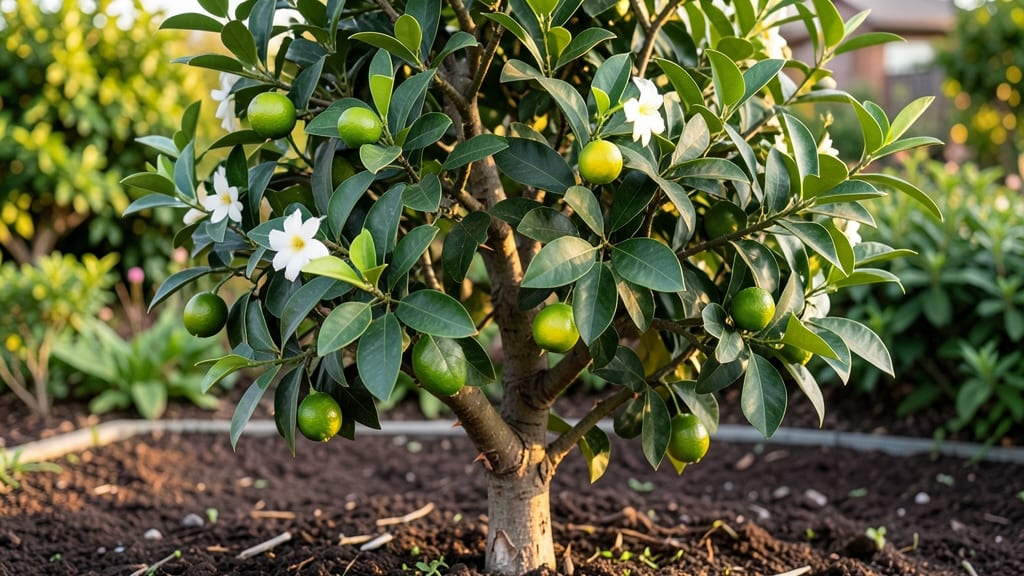
Pruning a lime tree with thorns transforms it from a tangled mess into a productive, manageable plant. 🌿 I’ve wrestled with these spiky citrus trees for years—until I learned the right cuts make all the difference. The key? Timing, tools, and knowing which thorns to tackle first.
Most thorny lime trees (Citrus aurantiifolia or Zanthoxylum) need pruning twice a year: once after harvest to shape growth, and again in late winter before new shoots appear.
Start with sterilized pruners (bleach or rubbing alcohol) to avoid spreading disease, and focus on removing suckers (shoots at the base) and crossing branches—these are the thorn hotspots. You’ll end up with a tree that’s easier to harvest, less prone to pests, and safer to work around.
The first year, expect 20-30% more fruit as the tree directs energy toward growth, not tangled branches. Thorns won’t disappear, but they’ll be less aggressive and easier to manage. Works for both dwarf and standard varieties, whether you’re growing in pots or in-ground.
Here’s how to do it without turning your gloves into pincushions.
📚 In This Guide
- What you need
- Instructions
- Tips and common mistakes
- Wrapping up and next steps
What you need
- ● Pruning shears: Bypass pruners (for small branches, ¼–¾ inch thick) – 1 pair (sharp, clean blades are a must!)
- ● Loppers: For medium branches (¾–2 inches thick) – 1 pair (with a longer handle for leverage).
- ● Pruning saw: For thick branches (2+ inches thick) – 1 saw (bow saw or folding pruning saw).
- ● Heavy-duty gloves: Thick, cut-resistant (e.g., Mechanix or gardening gloves with thorn-proof padding) – 1 pair.
- ● Long sleeves & pants: Tight-weave fabric (avoid loose clothing—thorns will snag!).
- ● Safety glasses: To shield eyes from debris – 1 pair.
- ● Disinfectant (70% isopropyl alcohol or bleach solution): To clean tools between cuts and prevent disease.
- ● Rubbing alcohol & bandages: For quick first-aid if thorns prick you!
- ● Ladder or step stool: For reaching higher branches safely (ensure it’s stable and non-slip).
- ● Tree wound sealant: (e.g., Tanglefoot Tree Wound Pruning Seal) – small jar (only for large cuts >2 inches).
- ● Trash bags: For collecting pruned branches and debris.
- ● Marking spray or flags: To tag branches for removal (if planning a structured pruning design).
- ● Pruning guide/reference: A printed checklist or app (like iTree) for tracking cuts.
Instructions for pruning a lime tree with thorns
Here's how to shape your tree safely while keeping it vigorous and productive.
✂️ Step 1: Time Your Pruning for Optimal Healing
Prune your lime tree during its dormant season—late winter or early spring before new growth begins. This timing minimizes stress and disease risk. If you must prune later, do it in early summer to allow wounds to heal before fall rains arrive. Avoid heavy pruning in late summer or fall, as new growth won't harden off before winter.
Check your tree's growth cycle by looking for new leaves—if they're just starting to form, it's too late for major cuts. The best time is when the tree looks dormant but before buds swell. I like to prune in February in my zone 9 garden, just as the days begin to lengthen.
✂️ Step 2: Gather Tools and Safety Gear
Use sharp, sterilized pruning tools to make clean cuts. A bypass pruner works for branches up to ½ inch thick, while a pruning saw handles thicker limbs. Always disinfect your tools with 70% isopropyl alcohol between cuts to prevent disease spread.
Wear thick gloves rated for thorn protection—lime tree thorns are sharp and can draw blood. I recommend heavy-duty gardening gloves with reinforced palms. Have a first-aid kit nearby, just in case. Work in a well-lit area where you can see all branches clearly to avoid accidental cuts.
✂️ Step 3: Remove Dead, Diseased, or Crossing Branches First
Start by eliminating dead wood—branches that are brown, brittle, or have no leaves. Next, remove any branches showing signs of disease like oozing sap, fungal spots, or unusual discoloration. Cut back to the main trunk or lateral branch, making your cut at a 45-degree angle just outside the branch collar.
Look for branches that cross or rub against each other—these create wounds and weak points. Remove the smaller of the two branches at its base. Thin out crowded areas to improve airflow, which reduces humidity and fungal risks. I always step back after this step to visualize the tree's structure before making any aesthetic cuts.
✂️ Step 4: Shape the Tree for Balance and Airflow
Step back and assess the tree's overall shape. Aim for a balanced, open center that allows sunlight to reach all branches. Remove any water sprouts—fast-growing, vertical shoots that drain the tree's energy. Cut these back to their point of origin.
For a more compact tree, prune the outer third of branches to encourage inward growth. Never remove more than 25% of the tree's foliage in one season—this can shock the tree and reduce fruit production. I like to leave some natural irregularity; lime trees have beautiful, organic shapes when given room to grow.
✂️ Step 5: Finish with Light Maintenance Cuts
Make final adjustments to improve fruit production. Remove any suckers growing from the base or trunk. Thin out dense clusters of fruit-bearing branches to prevent overcrowding, which can lead to small, poor-quality limes. Leave 3-5 main branches spaced evenly around the tree for optimal fruit distribution.
After pruning, clean up all fallen debris and dispose of it away from your garden. This prevents pests and diseases from taking hold. Give your tree a balanced fertilizer after pruning to support new growth. Water deeply but don't overwater—lime trees prefer slightly dry soil between waterings.
Tips & tricks for pruning a lime tree with thorns
These essential insights will help you prune your lime tree with confidence while keeping it healthy and productive.
Timing is Everything: The late winter or early spring timing in Step 1 is crucial because this aligns with the tree's natural dormancy period. In my experience, pruning during this window allows wounds to heal before the growing season begins, reducing disease risk. If you're in a warmer climate like zone 9, aim for February when buds haven't yet swollen—this gives the tree maximum time to recover before summer heat arrives.
Safety First: Those thick gloves and sterilized tools in Step 2 aren't just suggestions—they're essential. I learned this the hard way when a thorn punctured my hand while I was rushing through a quick trim. Always work in a well-lit area and keep that first-aid kit handy. A small cut can become infected if you're not careful, especially with citrus trees that attract pests. The 70% isopropyl alcohol is particularly important for preventing fungal spread between cuts.
Visual Cues for Pruning: When assessing branches in Steps 3 and 4, look for these key visual indicators: healthy branches should have smooth, green bark with no cracks, while dead wood appears brown and brittle. For crossing branches, imagine you're looking at the tree from above—remove the smaller branch at its base to maintain the tree's natural shape. The "outer third" rule for compact trees works because it preserves the tree's structural integrity while encouraging new growth inward.
Fruit Production Focus: The 3-5 main branches mentioned in Step 5 are ideal because they create an optimal framework for fruit distribution. I've found that leaving too many branches can lead to overcrowding, which reduces fruit size and quality. After pruning, I always give my tree a balanced fertilizer to support the new growth—this is particularly important in the weeks following pruning when the tree is most vulnerable to stress.
Pro Tips for Lime Tree With Thorns
- These essential insights will help you prune your lime tree with confidence while keeping it healthy and productive.
- Timing is Everything: The late winter or early spring timing in Step 1 is crucial because this aligns with the tree's natural dormancy period.
- Safety First: Those thick gloves and sterilized tools in Step 2 aren't just suggestions—they're essential.
Frequently asked questions
Got questions about keeping your lime tree with thorns healthy and thriving? You're not alone! Here are answers to the most common concerns—from pruning timing to dealing with those pesky thorns.
When is the best time to prune a lime tree with thorns?
The ideal time to prune is late winter or early spring (before new growth starts). This minimizes stress and disease risk. Avoid heavy pruning in summer or fall, as it can slow down recovery. Pro tip: If you spot dead or diseased branches anytime, trim them immediately!
How do I safely handle the thorns on a lime tree?
Thorns are sharp, so wear thick gloves (like leather or heavy-duty gardening gloves) and long sleeves. Use bypass pruners for clean cuts—avoid loppers that might snag. If thorns scratch you, clean the wound with soap and water to prevent infection.
Can I prune a lime tree too much? What are the signs?
Yes! Over-pruning weakens the tree, leading to fewer fruits, stunted growth, or susceptibility to pests. Signs include yellowing leaves, sparse foliage, or slow recovery after cuts. Aim to remove no more than 25% of the canopy per year.
Will pruning my lime tree increase fruit production?
Pruning can boost fruit yield by improving airflow and sunlight penetration—but only if done correctly! Focus on removing dead wood, crossing branches, and shaping the tree. Avoid heavy cuts near fruit-bearing areas, as this may reduce harvests temporarily.
Are there thornless lime tree alternatives?
Yes! Consider ‘Meyer lime’ (some varieties have fewer thorns) or ‘Bearss lime’, though neither is completely thornless. For a truly thorn-free option, try key lime (Citrus aurantifolia), though it’s less cold-hardy. Always check local nurseries for disease-resistant varieties!
What should I do if my lime tree’s thorns are unusually aggressive?
Aggressive thorns may signal stress (from overcrowding, poor soil, or pests). Check for aphids, scale, or root issues and address them. Prune selectively to reduce competition, and fertilize with citrus-specific nutrients (high in nitrogen and micronutrients like zinc).
Wrapping up and next steps
Pruning your lime tree with thorns doesn’t have to be intimidating—with the right tools, timing, and techniques, you can encourage vibrant, healthy growth while keeping those sharp thorns in check. 🌿 Whether you’re trimming for shape, fruit production, or safety, remember: patience and precision are your best friends.
Start small, stay consistent, and soon you’ll have a thriving tree that’s as rewarding to care for as it is to enjoy!
Ready to take the next step? Mark your calendar for your next pruning session—whether it’s a seasonal trim or a quick maintenance check—and watch your lime tree flourish year after year. Happy pruning! ✂️