
Pruning
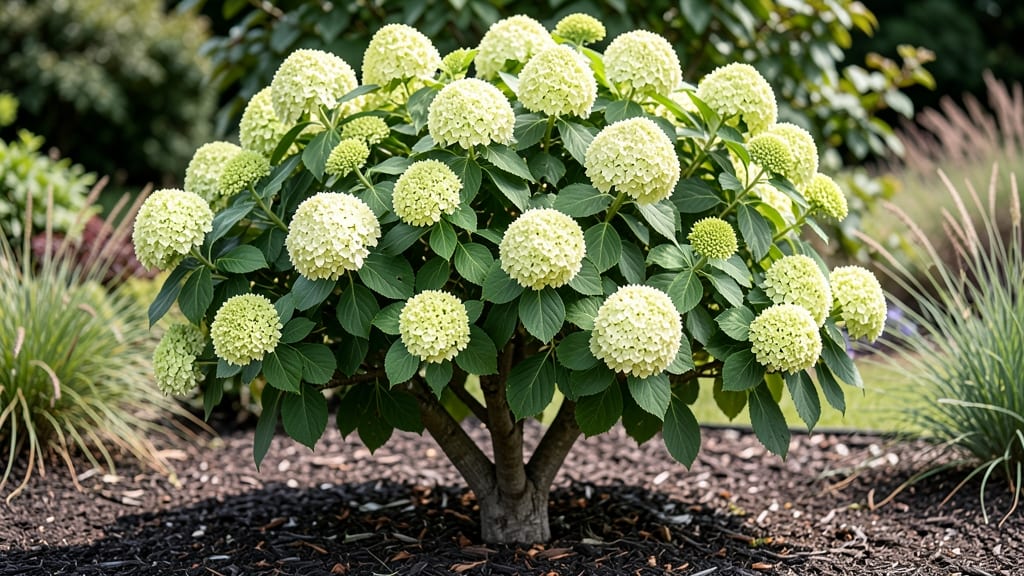
A Limelight Hydrangea Tree reaches its full size of 6 to 12 feet with the right care, but only if you prune it correctly.
Picture this: your 🌸 Limelight Hydrangea Tree bursting with golden blooms in late summer, its branches heavy with cone-shaped flowers that shift from green to cream to blush. But if you prune at the wrong time—or skip it entirely—you’ll end up with leggy stems and fewer flowers.
The secret to a full, thriving tree lies in when and how you cut.
This isn’t just about trimming back overgrowth—it’s about shaping the tree for maximum blooms while keeping it healthy. Whether you’re dealing with a young sapling or a mature specimen, the right pruning technique ensures your Limelight stays lush, compact, and packed with flowers year after year.
In this guide, I’ll walk you through the exact steps to prune for full size, from early spring cuts to late-winter maintenance. You’ll learn how to avoid common mistakes, when to fertilize for extra growth, and how to keep your tree looking its best in Zone 6a and beyond.

When and how to prune Limelight Hydrangea trees for maximum blooms
The Limelight Hydrangea Tree (Hydrangea paniculata 'Limelight') thrives when pruned correctly, but timing and technique make all the difference. Unlike some hydrangeas, this variety blooms on new wood, meaning pruning in late winter or early spring encourages the most vibrant golden blooms.
Get it wrong, and you’ll end up with fewer flowers or leggy growth. Let’s break down the science behind the perfect prune.
Pruning at the wrong time can reduce your tree’s flower production by up to 50%. The key is understanding whether your tree is dormant or actively growing.
For Limelight Hydrangeas, the best time to prune is late winter (February-March) in colder climates or early spring (March-April) in warmer zones. This timing ensures you’re cutting back before new growth begins, giving your tree room to develop strong, flowering stems.
Before you grab your shears, gather the right tools. A sharp bypass pruner is essential for clean cuts, and sterilized tools prevent disease spread. You’ll also need hand pruners for smaller branches and a ladder if your tree is already 6-12 feet tall.
Pro tip: Disinfect your tools with rubbing alcohol between cuts to avoid bacterial infections.
Now, let’s dive into the step-by-step process. The goal is to shape your tree while encouraging dense, bushy growth and maximizing those showy golden blooms. Follow these steps to prune like a pro:
- 1 Remove dead or damaged wood: Start by cutting out any dead branches or those with diseased spots. These won’t produce blooms and can harm your tree’s health.
- 2 Cut back last year’s blooms: Prune old flower stems to the first set of healthy buds. This encourages new growth where your golden blooms will form.
- 3 Shape the tree: Thin out overcrowded branches to improve airflow. Aim for an open, vase-like shape to showcase those stunning blooms.
- 4 Prune for size control: If your tree is taller than 12 feet, cut back the tallest branches by 1/3 to maintain its full-size structure.
- 5 Clean up: Remove all pruned debris from the base of the tree to prevent pests and diseases from taking hold.
After pruning, your Limelight Hydrangea Tree will need some extra care to recover and thrive. Water deeply to help it establish new roots, and apply a balanced fertilizer (like 10-10-10) in early spring to support growth.
Avoid fertilizing in late summer or fall, as this can encourage tender new growth that won’t survive winter.
One of the biggest mistakes gardeners make is pruning too late in the season. If you prune after mid-summer, you risk cutting off next year’s flower buds.
Always aim to finish pruning by early June to give your tree enough time to develop new growth for the following year’s blooms. Another common error is over-pruning, which can leave your tree looking bare and reduce its ability to produce flowers.
For mature trees (5+ years old), consider a rejuvenation prune every few years. This involves cutting back 1/3 of the oldest stems to the ground in stages over 2-3 years.
This technique encourages a youthful burst of growth and ensures your tree stays full and bushy with vibrant blooms. Just be patient—it may take a season or two for your tree to recover and show off its best color.
Finally, keep an eye out for signs of stress after pruning, like yellowing leaves or wilted branches. These could indicate over-pruning or under-watering. Adjust your care routine accordingly, and your Limelight Hydrangea Tree will reward you with show-stopping golden blooms year after year.
With the right timing and technique, your Limelight Hydrangea Tree will grow into a full-size beauty that steals the show in your landscape. Happy pruning! 🌻
Full-size Limelight Hydrangea tree growth guide: pruning for shape and health
The Limelight Hydrangea Tree reaches its stunning full size (6-12 feet) when pruned correctly—this isn’t just about aesthetics, it’s about structural health and longevity. Without proper pruning, your tree may develop weak branches, sparse blooms, or even disease-prone wood.
The key is understanding how pruning timing and cutting techniques directly impact growth patterns and flower production.
For mature trees (5+ years old), pruning should focus on shaping the canopy, removing dead wood, and encouraging outward growth—not just trimming for size. Overgrown specimens often need rejuvenation pruning, while regular maintenance keeps the tree full and bushy with vibrant golden blooms.
Let’s break down the best approaches for each stage of growth.
Your pruning schedule should align with the tree’s natural growth cycle. For dormant season pruning (late winter), focus on structural cuts to remove old wood and encourage new shoots. This is when your tree is most resilient to heavy pruning.
In contrast, light maintenance pruning after flowering helps redirect energy toward next year’s blooms while keeping the tree neat and healthy.
For overgrown specimens, rejuvenation pruning in late winter can work wonders. By cutting back 50% of the oldest stems to the ground, you force the tree to send out fresh growth from the base, creating a fuller, more compact shape.
Just be patient—it may take 1-2 years to see dramatic improvements in both structure and bloom density. Always use clean, sharp pruners to prevent disease entry.
Seasonal maintenance is just as critical as major pruning sessions. In spring and summer, focus on thinning out inner branches to improve air circulation and reduce disease risk.
Remove any dead or crossing branches immediately—they’re not just eyesores, they’re energy drains that can weaken your tree over time. A little attention now prevents major issues later.
Remember, the goal isn’t just to keep your Limelight Hydrangea Tree at its full size—it’s to maintain its health, shape, and flowering potential.
With the right pruning approach, your tree will reward you with vibrant golden blooms year after year while maintaining a strong, sturdy structure that lasts for decades. 🌸