
Trees
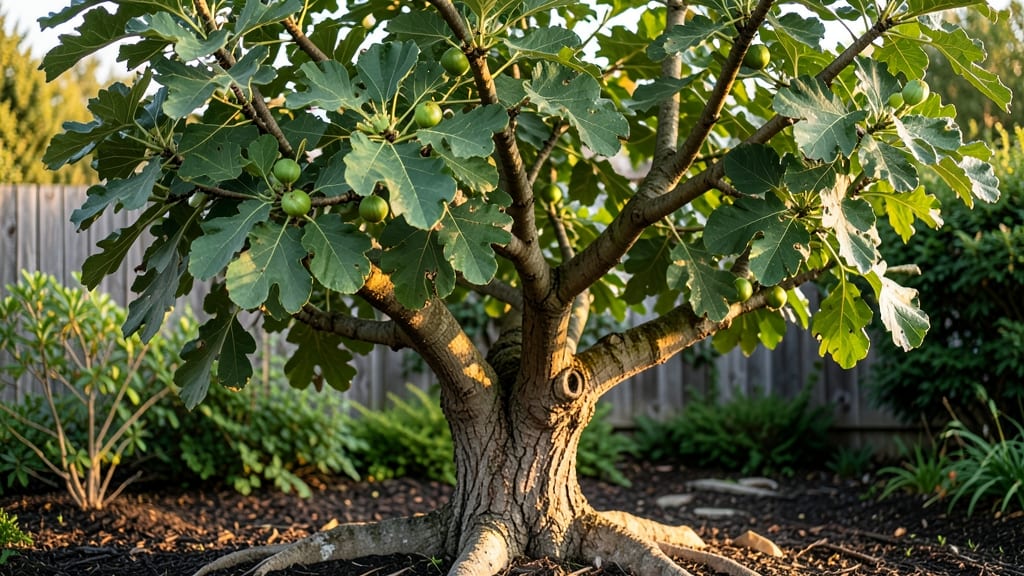
A fig tree’s mature height and width can turn your dream garden into a jungle if you’re not careful — but with the right pruning strategy, you can keep it lush and manageable.
Picture this: a 20-foot tree looming over your patio, its branches scraping your roof or blocking sunlight for your prized roses. That’s the reality for many gardeners who underestimate how quickly fig trees grow — especially in zones like 6a, where warm springs fuel rapid expansion.
The good news? Dwarf varieties stay under 12 feet, while standard types can be shaped with seasonal pruning. Below, I’ll walk you through how to measure growth, when to trim for compactness, and how to avoid common mistakes that turn your fig tree into a space hog.
You’ll leave here with a pruning schedule, spacing rules for small gardens, and even how to revive a tree that’s already outgrown its welcome. Let’s get started.

How to measure and control fig tree height and width naturally
Fig trees are fast growers, and without guidance, they can quickly outgrow their intended space. Understanding their natural growth patterns is the first step to controlling their height and width without harsh pruning.
Most fig varieties mature between 15-30 feet tall, but dwarf types like 'Little Miss Figgy' stay under 10 feet. The key is knowing when and how to intervene naturally.
Seasonal growth varies dramatically—fig trees grow rapidly in spring and summer but slow down in fall and winter. This means pruning in late winter (before buds swell) is ideal for shaping without stressing the tree.
Organic methods like root pruning and spacing adjustments can also help guide growth without cutting branches.
Before pruning, measure your fig tree’s current dimensions. Use a measuring tape to track height from the base to the tallest branch tip, and width by measuring the widest spread of branches. Record these measurements every 6 months to monitor growth trends and adjust your approach.
| Fig Variety | Mature Height | Mature Width | Growth Rate | Best Control Method |
|---|---|---|---|---|
| Standard (e.g., 'Brown Turkey') | 20-30 ft | 15-20 ft | Fast | Root pruning + seasonal pruning |
| Dwarf (e.g., 'Little Miss Figgy') | 8-12 ft | 6-8 ft | Moderate | Spacing + light pruning |
| Semi-Dwarf (e.g., 'Celeste') | 12-18 ft | 10-12 ft | Fast | Root barriers + pruning |
| Container-Grown (e.g., 'Chicago Hardy') | 6-10 ft | 4-6 ft | Moderate | Pot size + pruning |
One of the most effective natural control methods is adjusting the planting location. If your fig tree is near a fence or structure, its branches may grow wider to reach sunlight.
To counteract this, plant it 10-15 feet away from obstacles or use a root barrier to limit root spread, which indirectly slows top growth.
For established trees, root pruning is a game-changer. Dig a trench around the tree’s drip line (the edge of its canopy) and sever 20-30% of the roots in early spring.
This reduces water and nutrient flow, slowing height and width growth by 30-50%. Always water deeply afterward to minimize stress.
Organic growth regulators like seaweed extract or kelp-based fertilizers can also help. These contain natural hormones that promote balanced growth rather than rapid vertical expansion. Apply them 2-3 times per year during active growth periods for best results.
If your fig tree is already too wide, focus on selective pruning of outward-growing branches. Remove 1-2 branches per year that extend beyond your desired width.
Always cut just above a bud or lateral branch to encourage bushier growth. Avoid removing more than 25% of the canopy in a single session.
Seasonal adjustments are crucial. In late winter or early spring, prune to shape the tree and remove dead or crossing branches. During summer growth spurts, monitor new shoots and pinch back tender tips to redirect energy toward fruit production instead of height.
Mulching plays a surprising role in controlling size. Apply a 3-inch layer of organic mulch (like wood chips or straw) around the base of the tree. This cools the roots, reducing stress and slowing aggressive growth. Just keep mulch 6 inches away from the trunk to prevent rot.
Finally, remember that patience is key. Fig trees respond best to gradual adjustments. Over-pruning or drastic changes can shock the tree, leading to reduced fruit production or even death. Stick to 10-15% annual pruning and combine methods for the best results.
Step-by-step pruning guide for compact fig tree growth
Pruning your fig tree is the best way to control its height and width while encouraging healthy fruit production. The right timing and technique can transform a wild, sprawling tree into a manageable size that fits your garden perfectly.
Whether you're working with a dwarf variety or a standard fig, these steps will help you shape it without stressing the plant.
Before you start, gather your pruning tools: sharp bypass pruners for clean cuts, loppers for thicker branches, and a disinfectant to prevent disease spread. Always prune in dry weather to minimize sap loss and reduce the risk of fungal infections.
Remember, fig trees respond best to pruning during their dormant season, typically late winter or early spring.
Step-by-Step Pruning Guide
- Step 1: Identify the main branches you want to retain. Look for branches that grow outward and upward, creating an open canopy for sunlight and airflow.
- Step 2: Remove dead or diseased branches first. Cut them back to the main trunk or a healthy lateral branch using a clean, sharp cut at a 45-degree angle.
- Step 3: Prune crossing branches or those growing inward. These compete for nutrients and reduce airflow, increasing disease risk. Cut one of the two branches at its base.
- Step 4: Shorten overly long branches to control tree height. Aim to reduce them by 1/3 of their length, cutting just above a bud or lateral branch.
- Step 5: Shape the outer canopy by trimming branches that grow toward the center. This encourages a rounded, bushy shape and improves sunlight penetration.
- Step 6: Thin out excessive foliage to reduce tree width. Focus on branches that grow too close together, leaving space between them for better airflow.
- Step 7: Apply a pruning sealant (optional) to larger cuts to prevent sap loss. Clean your tools with rubbing alcohol to avoid spreading disease to other plants.
Timing your pruning is crucial for compact growth. For most fig varieties, prune in late winter or early spring, just before new growth begins. This helps the tree redirect energy to fruit production rather than excessive foliage.
Avoid heavy pruning in summer or fall, as this can stimulate new growth that won’t harden off before winter, making it vulnerable to frost damage.
When shaping your fig tree, prioritize airflow and sunlight optimization. An open canopy allows sunlight to reach the inner branches, ensuring even ripening of figs and reducing the risk of fungal diseases like powdery mildew.
Aim for a balanced shape where no single branch dominates the tree’s structure. This not only keeps the tree manageable in size but also makes harvesting easier and more efficient.
If your fig tree is already quite large, you can prune it in stages over several years to avoid shocking the plant. Start by removing dead wood and suckers in the first year, then gradually shape the canopy in subsequent years.
Always step back and visualize the final shape before making cuts—this helps you achieve a natural, harmonious look that complements your garden.
After pruning, monitor your fig tree closely for signs of stress, such as yellowing leaves or excessive sap oozing. While some stress is normal, excessive reactions may indicate you’ve pruned too aggressively. In such cases, provide extra water and nutrients to help the tree recover.
With patience and consistent care, your fig tree will thrive at a compact, manageable size while still producing abundant fruit.