
How To
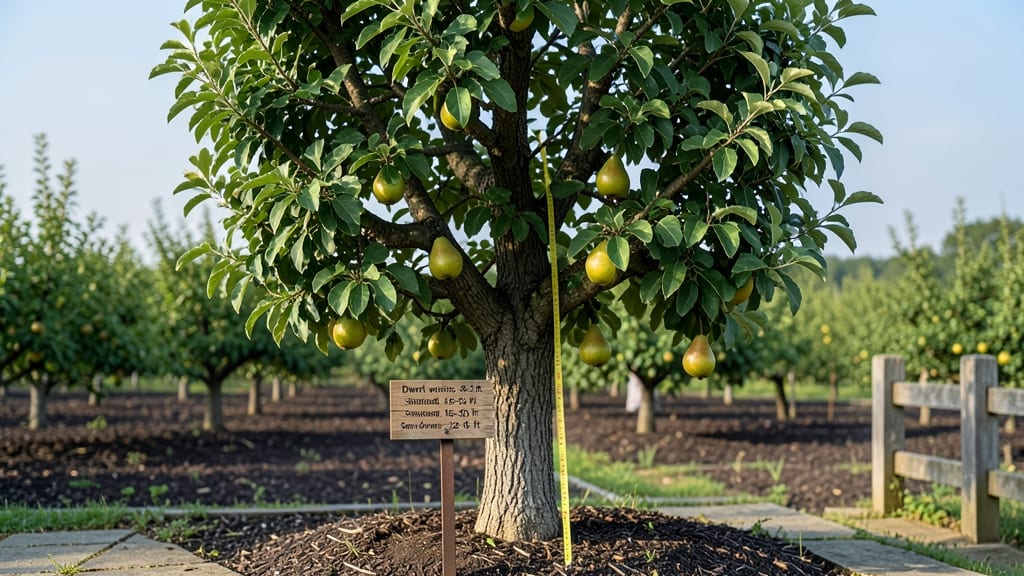
A pear tree how tall does a pear tree grow can range dramatically—from a compact 8 feet to a towering 50 feet, depending on the variety and rootstock you choose.
Wondering if that dream backyard orchard will fit your space? Pear trees come in dramatic height variations—from compact dwarfs that thrive in containers to standard varieties that stretch toward the sky.
The right choice could mean the difference between a low-maintenance patio tree and a sprawling orchard that needs regular pruning.
For home gardeners, dwarf and semi-dwarf varieties are the game-changer, offering sweet pears without the space commitment. Meanwhile, standard pear trees are the backbone of commercial orchards, delivering massive yields for those with the room. The key lies in understanding how rootstock and pruning shape growth over time.
In this guide, I’ll break down the height ranges, growth rates, and space needs of each type, so you can pick the perfect pear tree for your yard—whether it’s a cozy balcony or a sprawling rural plot.

Pear tree height variations: dwarf, semi-dwarf, and standard sizes explained
Choosing the right pear tree height is crucial for both space planning and harvest success. The dramatic differences between dwarf, semi-dwarf, and standard varieties mean you can grow pears in containers on balconies or as towering backyard features.
The key factor controlling size? Rootstock—the underground part of the tree that determines growth potential.
Most gardeners underestimate how much space a standard pear tree needs—some varieties reach 40 feet tall! Meanwhile, dwarf varieties stay under 8 feet, making them perfect for small urban gardens. Understanding these differences helps you select a tree that fits your space while meeting your fruit production goals.
Rootstock is the foundation of size control. Dwarf rootstocks like Quince C or Old Home x Farmingdale restrict growth through genetic limitations, while standard rootstocks like Seedling or Ohio x Farmingdale allow trees to grow to their natural 20-40 foot potential. Semi-dwarf rootstocks offer a middle ground at 12-18 feet.
Here's how these height variations translate into real-world space requirements and care needs:
| Type | Mature Height | Rootstock Examples | Space Needs | Growth Rate |
|---|---|---|---|---|
| Dwarf | 3-8 ft | Quince C, Old Home x Farmingdale | 10-15 sq ft | Slow to moderate |
| Semi-Dwarf | 12-18 ft | MM106, MM111 | 15-25 sq ft | Moderate |
| Standard | 20-40 ft | Seedling, Ohio x Farmingdale | 30+ sq ft | Fast |
The growth rate also varies dramatically. Dwarf varieties grow just 1-2 feet per year, making them ideal for container growing or urban spaces. Semi-dwarf trees add 2-3 feet annually, while standard varieties can shoot up 3-5 feet per year in optimal conditions.
Space requirements extend beyond just height. A standard pear tree with a 25-foot spread needs at least 30 feet of clearance in all directions for proper air circulation and sunlight penetration. Dwarf varieties, however, thrive in 10-15 square feet of space, making them perfect for patio containers or small backyards.
One common misconception is that smaller trees produce fewer pears. In reality, dwarf varieties often yield just as much fruit as larger trees because their concentrated growth focuses energy on fruit production rather than vertical expansion. The trade-off? You'll need to harvest more frequently since the fruit is more accessible.
When selecting a pear tree, consider your pruning capabilities and long-term maintenance goals. Standard trees require annual pruning to manage their size and shape, while dwarf varieties need light pruning every 2-3 years. Always choose a variety that matches both your space and your willingness to maintain it.
For container growing, select dwarf rootstocks and use pots at least 18 inches wide with drainage holes. Remember that container-grown trees need more frequent watering and seasonal repotting every 2-3 years to accommodate root growth. The right pear tree height can transform even the smallest space into a productive orchard!
🌱
Best pear tree varieties for small yards vs large properties
Choosing the right pear tree variety depends entirely on your available space. If you're working with a small urban yard or balcony, dwarf varieties under 8 feet can thrive in containers.
For larger rural properties, standard varieties reaching 20+ feet offer generous harvests and classic orchard charm. Let's explore the best options for both scenarios.
For compact spaces, dwarf varieties are ideal because they mature quickly and require minimal pruning. These trees often produce fruit within 2-3 years and can even be grown in large pots.
Meanwhile, standard varieties need ample room to spread their branches and develop strong root systems, making them perfect for acreage or farmland.
🌱
| Variety Type | Mature Height | Best For | Fruit Ripens | Special Notes |
|---|---|---|---|---|
| Dwarf Varieties | 6-8 ft | Containers, small yards, balconies | Late summer | Fast fruiting, low maintenance |
| Semi-Dwarf Varieties | 12-16 ft | Medium yards, urban gardens | Early fall | Moderate pruning needed |
| Standard Varieties | 20-40 ft | Large properties, orchards | Mid to late fall | High yield, requires space |
| Top 5 Dwarf Varieties | 6-8 ft | Containers, small spaces | Late summer | 'Hooded', 'Patten', 'Moonglow', 'Seckel', 'Kieffer' |
| Top 5 Standard Varieties | 20-40 ft | Large properties, orchards | Fall | 'Bartlett', 'Anjou', 'Bosc', 'Seckel', 'Comice' |
For small spaces, consider the 'Hooded' pear tree, which stays under 8 feet and thrives in containers. This variety is perfect for balconies or patios, producing sweet, juicy pears in just 2-3 years.
Another great option is the 'Patten' pear, which is disease-resistant and ideal for urban gardens.
If you have a large property, standard varieties like the 'Bartlett' pear tree will reward you with abundant harvests. These trees can reach 30-40 feet and require regular pruning to maintain shape and health.
They also need plenty of space for their wide-spreading branches, making them ideal for rural orchards.
When selecting a pear tree variety, consider not just the height but also the rootstock used. Dwarf varieties often use quince rootstock, which keeps the tree small but may reduce overall yield. Standard varieties typically use seedling rootstock, allowing for larger trees with higher fruit production.
🌳