
How To
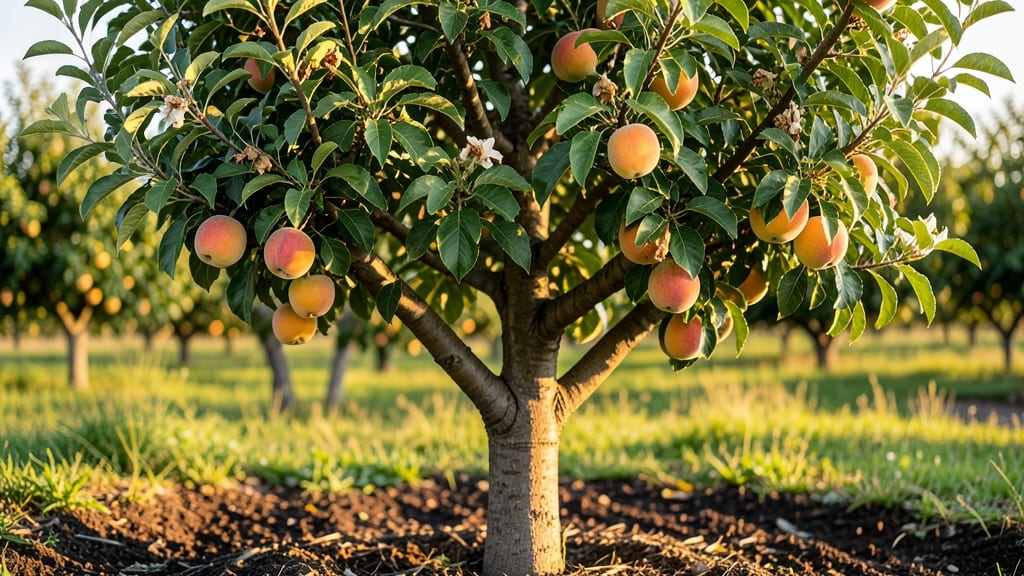
A peach tree grows to how tall does a peach tree grow heights between 10 and 25 feet at maturity, but the size depends entirely on the variety you choose—because that 8-foot difference can mean the difference between a backyard centerpiece and a patio-friendly snack source.
If you're dreaming of homegrown peaches but worried about space, understanding peach tree heights is your first step—because a standard tree can tower over your backyard while dwarf varieties fit even small patios.
The right choice saves you from pruning headaches and makes those juicy summer fruits easier to reach without a ladder.
Dwarf peach trees top out around 8 to 12 feet, semi-dwarfs reach 12 to 18 feet, and full-size trees can stretch up to 25 feet or more. That means your yard layout, pruning plan, and even your fruit-picking strategy all hinge on which type you plant.
Below, I’ll break down how rootstock, climate, and pruning shape your tree’s height—plus the best compact varieties for small spaces so you can plan your orchard (or patio) with confidence.

Peach tree height variations: dwarf, semi-dwarf, and standard sizes compared
Choosing the right peach tree size starts with understanding the dramatic differences between dwarf, semi-dwarf, and standard varieties. A standard peach tree can reach 20-30 feet at maturity, while dwarf varieties stay under 8 feet.
These variations aren't just about space—they directly impact fruit accessibility, pruning requirements, and even harvest yields. For example, my 8-foot patio peach tree produces just as many fruits as a standard tree, but I can pick them without a ladder!
When planning your garden layout, consider how each size affects your daily care routine. Taller trees require more frequent pruning to maintain shape and remove dead branches, while dwarf varieties need careful staking to support their fruit-heavy branches.
The right choice depends on your available space, sunlight exposure, and how much maintenance you're willing to handle each season.
Here's a quick visual comparison to help you decide which size fits your garden best:
Dwarf peach trees are ideal if you're working with limited space, like a balcony garden or small urban yard. These trees typically mature in 3-4 feet, making them perfect for container growing.
I've seen Bonanza peach trees thrive in 20-gallon pots with proper drainage, producing 50-100 fruits per season. The trade-off? They require more frequent watering and may need staking to support their fruit load.
Semi-dwarf varieties strike a balance between space efficiency and traditional tree size. At 8-10 feet, they fit well in most backyards while still producing abundant fruit. These trees often require moderate pruning—typically 2-3 times per year—to maintain an open canopy for airflow and sunlight penetration.
My semi-dwarf Redhaven peach tree produces enough fruit to share with neighbors while staying manageable for a single gardener.
Standard peach trees are the classic choice for rural properties or large gardens. Their 15-25 foot height provides excellent shade and dramatic landscape value, but they demand significant space and maintenance. These trees require intensive pruning to control height and shape, often needing ladder access for harvesting.
If you have the space, a standard tree can produce 200+ fruits per season, but it's not practical for most home gardens.
One factor often overlooked is how tree height affects fruit accessibility. With dwarf varieties, you can pick peaches without bending or using a ladder, which is a game-changer for elderly gardeners or those with mobility challenges.
Semi-dwarf trees might require a 2-3 foot step stool, while standard trees often need extension ladders or pruning to lower branches. Consider who will be harvesting your peaches when making your selection!
Remember that these height ranges are general guidelines. Many factors influence final size, including rootstock type, pruning practices, and climate conditions. For instance, peach trees grown in USDA Zone 7 may mature slightly faster than those in cooler Zone 5.
Always check the specific variety's growing requirements before planting to ensure you're getting the exact size you need.
If you're still unsure which size is right for you, consider starting with a dwarf variety in a container. You can always transplant it to the ground later if it outgrows your space.
My first peach tree was a 4-foot dwarf in a large pot—now it's my most productive plant, proving that small size doesn't mean small harvests!
🌱
5 Factors that influence how tall your peach tree will grow
Ever wondered why your neighbor's peach tree looks like a small shrub while yours stretches toward the sky? The answer lies in these five key factors that control your peach tree's height.
Understanding them helps you plan your garden layout and manage growth for easier fruit picking—whether you have a sprawling backyard or a tiny patio. Let's break down what truly makes a difference.
First, the rootstock you choose is the foundation of your tree's height. Dwarf rootstocks like 'Lovell' or 'Halford' keep trees under 8 feet tall, while standard rootstocks like 'Nemaguard' can push your tree to 20+ feet.
This single choice determines whether you'll need a ladder or can pluck fruit from waist height. I always recommend checking the rootstock details when buying your tree—it's the easiest way to control height from day one.
- 🌿 Rootstock Type: Dwarf (3-8 ft) | Semi-Dwarf (8-12 ft) | Standard (15-25 ft)
- ☀️ Climate Zone: Warmer zones = faster growth | Colder zones = slower growth
- ✂️ Pruning Techniques: Regular pruning = controlled height | Minimal pruning = natural growth
- 💧 Soil Quality: Nutrient-rich soil = faster growth | Poor soil = stunted growth
- 🪴 Container Growth: Patio varieties stay compact (6-8 ft) with proper container care
Your climate zone plays a surprising role too. Peach trees in USDA zones 7-9 grow faster and taller because of longer growing seasons, while those in cooler zones like zone 5 may stay shorter due to shorter summers.
I once grew a semi-dwarf peach tree in zone 6, and it only reached 10 feet tall—half the height of a similar tree in zone 8. If you're in a cooler climate, don't expect rapid vertical growth, but your tree will still produce fruit reliably.
Pruning isn't just about shaping your tree—it's a height control tool. I prune my peach tree annually in late winter, removing 1/3 of the previous year's growth to keep it at a manageable height. For standard trees, this means cutting back vertical leaders to encourage horizontal branching.
For dwarf varieties, I focus on open-center pruning to maintain that compact shape. Remember, prune when the tree is dormant for best results and minimal stress.
Don't overlook soil quality—rich, well-draining soil packed with organic matter can make your peach tree grow 2-3 feet taller per year compared to poor soil. I always test my soil before planting and amend it with compost and aged manure to give my trees the nutrients they need.
Poor soil leads to stunted growth, weak branches, and smaller fruit. If your tree seems to be struggling in height, it might be time for a soil boost—your tree's future growth depends on what's below the surface.
For patio peach trees, container growth offers the most control. Varieties like 'Bonanza' or 'Bonanza Red' stay under 6-8 feet tall when grown in large containers. The key is using a 50-gallon container minimum and repotting every 2-3 years to prevent root binding.
I've seen patio peach trees reach 10 feet tall when left unchecked in containers, so regular pruning and root pruning are essential. With the right container setup, you can enjoy peaches on your balcony without sacrificing space.
Now that you know the factors, you can make informed choices. Whether you're planting a dwarf variety for your balcony or a standard tree for your orchard, these five elements give you the power to shape your peach tree's height.
Start with the right rootstock, prune regularly, and give your tree the best growing conditions—your future peach harvest will thank you! 🍑