
How To
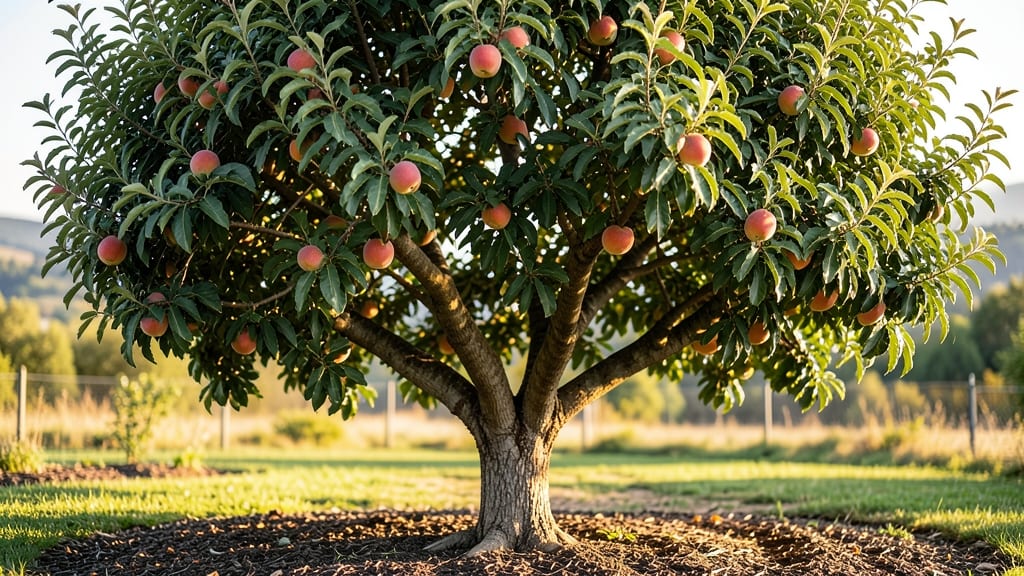
A peach tree can grow between 10 and 30 feet tall, depending on the variety and how you care for it—so your backyard space and pruning habits matter more than you might think.
Picture this: a 25-foot-tall standard peach tree 🍑 casting shade over your patio, versus a compact dwarf variety that fits neatly in a large pot on your balcony.
The difference isn’t just aesthetics—it affects how easy your harvest will be, how much maintenance you’ll face, and even which peaches you can grow.
Dwarf varieties typically stay between 8 and 12 feet, making them perfect for small gardens or containers, while semi-dwarf trees reach 12 to 18 feet—a happy medium for most homeowners.
Standard trees, though, can soar past 20 feet, requiring careful planning and regular pruning to keep them manageable.
In this guide, I’ll break down how to choose the right size for your space, the pruning secrets that keep trees in check, and why some varieties naturally stay shorter than others—so you can grow the perfect peach tree for your yard.

Peach tree height variations: dwarf, semi-dwarf, and standard explained
Choosing the right peach tree height starts with understanding your space and goals. A standard peach tree can reach 20-30 feet, while dwarf varieties stay between 8-12 feet.
The height you select affects everything from fruit production to pruning needs, so let’s break down the key differences to help you decide.
Your backyard layout plays a huge role in this decision. If you have limited space, a dwarf or semi-dwarf peach tree (12-18 feet) is ideal for urban gardens or small yards.
Meanwhile, standard varieties thrive in rural settings with plenty of room to grow. The right choice ensures your tree fits comfortably without crowding other plants or structures.
| Type | Mature Height | Best For | Pruning Needs | Fruit Yield |
|---|---|---|---|---|
| Dwarf | 8-12 ft | Containers, small yards, urban gardens | Light (shape for aesthetics) | Moderate (smaller fruit) |
| Semi-Dwarf | 12-18 ft | Medium yards, patio edges | Moderate (open canopy) | High (larger fruit) |
| Standard | 20-30+ ft | Large rural properties | Heavy (structural support) | Very High (abundant fruit) |
Pruning is the secret to controlling your peach tree’s height, especially for standard varieties. Regular pruning in late winter or early spring encourages a balanced canopy and prevents overgrowth.
For dwarf trees, focus on shaping rather than height reduction, as they naturally stay compact. Always use clean, sharp tools to avoid disease spread.
Your local climate also influences how tall a peach tree grows. Warmer regions like USDA Zones 6-9 support faster growth, while colder climates may slow maturity. Dwarf varieties adapt better to cooler areas, making them a great choice for northern gardeners.
Always check your zone before selecting a variety to ensure optimal growth.
Don’t overlook the importance of soil quality and watering consistency. Well-draining soil prevents root rot, while deep watering (15-20 gallons weekly) supports strong upward growth. Standard trees need more water and nutrients to reach their full height, while dwarf trees thrive with slightly less.
Mulching around the base helps retain moisture and regulates temperature.
If you’re growing peaches in containers, dwarf varieties are your best bet. They fit in large pots (at least 18 inches deep) and can be moved to optimize sunlight.
Just remember to repot every 2-3 years as roots grow. Container-grown trees may stay slightly shorter than their in-ground counterparts due to restricted root space.
For fruit production, semi-dwarf trees strike the perfect balance. They yield more fruit than dwarfs while staying manageable in size. Standard trees produce the most fruit but require more space and maintenance.
If you’re new to peach tree care, start with a semi-dwarf—it’s forgiving yet productive, making it ideal for beginners.
One common mistake is assuming all peach trees grow the same height. Variety selection is critical—some dwarf trees like ‘Bonanza’ stay under 10 feet, while others like ‘Redhaven’ (standard) can exceed 25 feet.
Always check the tag or description when purchasing to avoid surprises. Nurseries often label sizes clearly, so take a moment to verify.
Finally, consider future growth when planting. A standard tree’s branches can spread 15-20 feet wide, so give it plenty of clearance from fences, power lines, and other structures.
Dwarf trees need less space but still benefit from a few feet of clearance. Planning ahead saves headaches—and pruning sessions—down the road.
Ready to pick your perfect peach tree? Start by measuring your space and matching it to the height chart above. Whether you choose a compact dwarf or a towering standard, your tree will reward you with delicious fruit for years to come. 🍑
How to choose the right peach tree height for your space and goals
Choosing the right peach tree height depends on your yard dimensions and fruit production goals. A standard peach tree can reach 20–30 feet, while dwarf varieties stay between 8–12 feet.
Your decision affects everything from harvesting ease to pruning frequency, so let’s break it down by space and purpose.
For urban gardens or small backyards, dwarf or semi-dwarf peach trees are ideal. These compact varieties thrive in containers or raised beds, making them perfect for patios or balconies. If you have rural space, a standard-height tree offers higher yields but requires more room and maintenance.
Visualize your options: Below are the key height categories and their best uses to help you decide.
-
🌱 Dwarf Peach Trees (8–12 ft)
Perfect for containers, small yards, or balconies. Produces early fruit and requires minimal pruning. Ideal for urban gardeners or those with limited space.
-
🌳 Semi-Dwarf Peach Trees (12–18 ft)
Balances space efficiency and fruit yield. Fits well in medium-sized yards or as a focal point. Requires moderate pruning to maintain shape.
-
🏡 Standard Peach Trees (20–30+ ft)
Best for rural properties or large orchards. Produces the most fruit per tree but needs regular pruning and space for roots. Requires strong support in windy areas.
If you’re growing peaches in containers, stick with dwarf varieties like ‘Bonanza’ or ‘Redhaven.’ Use a large pot (at least 24 inches wide) with drainage holes and well-draining soil. Place your container in full sun and water deeply 2–3 times per week during the growing season.
For rural or spacious yards, a standard peach tree like ‘Elberta’ or ‘J.H. Hale’ will thrive. Plant it 15–20 feet away from fences or structures to avoid shading issues. Remember, taller trees need stronger pruning to manage height and improve air circulation, reducing disease risk.
Your peach tree height should align with your harvest goals and maintenance capacity. Dwarf trees offer convenience and early fruit, while standard trees deliver abundance—but only if you have the space and time to care for them.
Start small if you’re new to peach growing, then expand as you gain confidence!