
How To
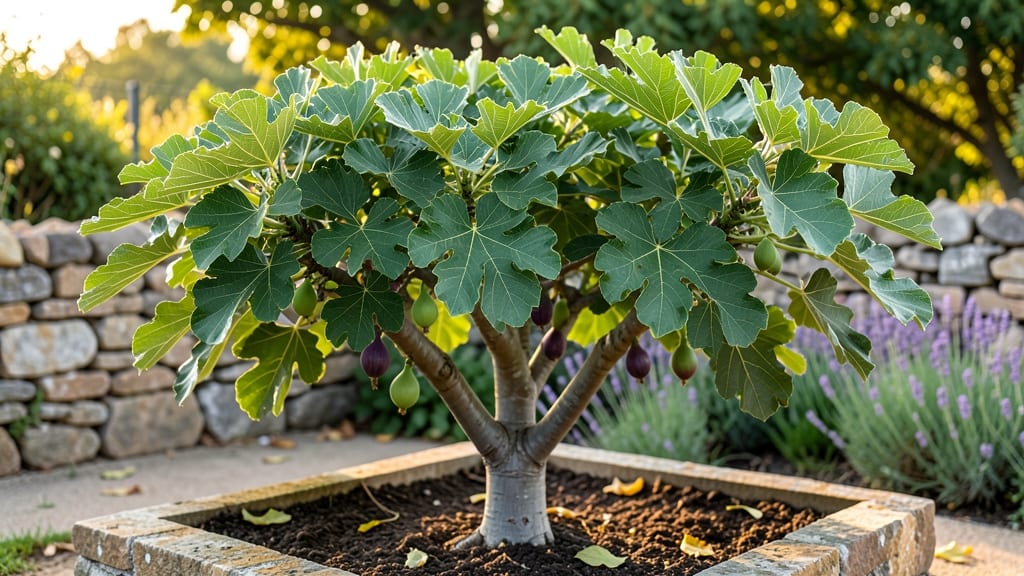
A fig tree grows to heights ranging from how tall does a fig tree grow—as short as 8 feet for dwarf varieties to towering 30 feet for standard types, depending on the variety and growing conditions.
If you're dreaming of a shady backyard retreat or a productive fruit tree, understanding how tall fig trees grow is essential—because some varieties stretch into towering giants while others stay perfectly manageable in containers.
This 🌳 isn’t just about aesthetics; it’s about space planning. A 20-foot tree needs room to spread its roots and branches, while a compact variety fits neatly on a patio or balcony. The right choice means fewer pruning headaches and more fruit for you.
Below, I break down the height ranges by variety, what influences growth, and how to keep your fig tree at your ideal size—whether that’s a 6-foot container plant or a 15-foot landscape centerpiece.

Fig tree height by variety: from dwarf to towering giants
Fig trees are incredibly versatile, offering everything from compact patio varieties to towering shade giants. The height of your fig tree depends entirely on the variety you choose, with some reaching 30 feet while others stay under 10 feet—perfect for containers.
Understanding these differences helps you plan your garden layout, whether you're creating a fruit-filled backyard or a small-space urban oasis.
Most fig trees grow rapidly in their first few years, with some varieties doubling in height annually. However, their mature height and growth habit (upright, spreading, or weeping) vary dramatically.
For example, the 'Little Miss Figgy' stays under 8 feet, while the 'Brown Turkey' can soar to 25 feet. Below, we break down the most popular varieties by size, including their ideal spacing and growth patterns.
The 'Little Miss Figgy' is my go-to for container gardening because it stays under 8 feet and thrives in 5-gallon pots. Its bushy growth habit makes it ideal for balconies or small patios, while still producing sweet, reliable figs.
If you’re short on space but want fresh fruit, this variety is a game-changer.
For those with larger yards, the 'Brown Turkey' is a classic choice. It can reach 25 feet, making it perfect for shade trees or privacy screens.
However, its aggressive growth means you’ll need to prune annually to manage its size and shape. Plant it 15–20 feet from structures or other plants to avoid overcrowding.
If you love ornamental figs with a weeping habit, the 'Celeste' variety is breathtaking. Its graceful branches cascade like a fountain, reaching 15–20 feet at maturity.
This makes it a showstopper for landscapes, especially near decks or pergolas. Space it 12–15 feet from walkways to allow for its spreading canopy.
One of my favorite cold-hardy varieties is the 'Chicago Hardy', which matures at 10–15 feet. It’s perfect for USDA Zones 4–9 and handles winter temperatures down to -20°F.
Its upright, spreading form works well in urban gardens or as a focal point in mixed borders. Give it 8–10 feet of clearance to grow unhindered.
For Mediterranean-style gardens, the 'Violette de Bordeaux' is a stunning option. This semi-dwarf variety grows 12–18 feet tall with a spreading habit, producing deep purple figs that are both beautiful and delicious.
It’s also container-friendly, making it great for patios or rooftop gardens. Space it 10–12 feet apart for optimal airflow
Factors that influence fig tree height: sun, soil, and pruning secrets
Fig trees are incredible plants that can transform from modest saplings into towering giants—or stay compact with the right care. The height of your fig tree depends on three key factors: sunlight exposure, soil quality, and pruning techniques.
Understanding these will help you shape your tree’s growth to fit your space, whether you want a privacy screen or a container-friendly patio tree.
Sunlight is the most critical factor, as fig trees thrive in full sun conditions (6-8+ hours daily). Without enough light, your tree will grow slowly and leggy, reaching for the sun and developing weak branches.
Poor soil—especially heavy clay or waterlogged conditions—can stunt root development, limiting vertical growth. Meanwhile, strategic pruning can either encourage rapid height growth or keep your tree low and bushy.
A fig tree in ideal conditions (full sun, well-draining soil, and minimal pruning) can grow 3-5 feet per year in its first decade. With pruning or container limits, you can reduce this to just 1-2 feet annually, keeping it manageable for small spaces.
Let’s start with sunlight. Fig trees are sun-hungry plants, and their growth rate accelerates dramatically when they receive 6+ hours of direct sunlight daily. In partial shade, growth slows, and branches become sparse.
For example, a 'Brown Turkey' fig in full sun might reach 20-30 feet, while the same variety in partial shade could max out at 12-15 feet. If you’re in a shadier climate, choose dwarf varieties like 'Little Miss Figgy' (8-12 feet) to avoid disappointment.
Soil quality plays a hidden but crucial role. Fig trees despise waterlogged roots, which can cause stunted growth or even root rot. Amend your soil with compost or sand to improve drainage, and avoid heavy clay.
Well-draining, slightly alkaline soil (pH 6.0-7.5) encourages strong root development, which fuels vertical growth. I’ve seen fig trees in poor soil conditions grow only half as tall as identical trees in enriched soil—proof that roots are the foundation of height!
Pruning is where you take control. To encourage taller growth, prune selectively—removing only dead or crossing branches while leaving the central leader intact. For shorter trees, prune the top 1/3 of new growth in late winter to promote bushier habits.
Ever-bearing varieties like 'Celeste' respond well to hard pruning, while standard-bearing types (like 'Black Mission') may need gentler shaping to avoid stress. I once pruned a 15-foot 'Black Mission' back by half—it took two years to recover, but now it’s a controlled 10-foot beauty.
Timing matters too. Prune in late winter or early spring (just before new growth begins) to minimize stress. Avoid summer pruning, as it can stunt growth and leave your tree vulnerable to pests.
If you’re growing figs in containers, prune root-bound roots every 2-3 years to prevent height restrictions caused by crowded roots. I’ve had container-grown 'Chicago Hardy' figs stay under 6 feet tall for years by combining root pruning with annual tip-trimming.
Finally, don’t forget that climate and variety interact with these factors. Cold-hardy varieties (like 'Desert King') grow slower in northern climates due to shorter growing seasons, while heat-loving types (like 'Violette de Bordeaux') can shoot up 5 feet in a single season in USDA Zone 9+.
If you’re in a small space, pair dwarf varieties with regular pruning—this combo is how I keep my patio figs under 5 feet tall while still getting bountiful fruit.