
How To
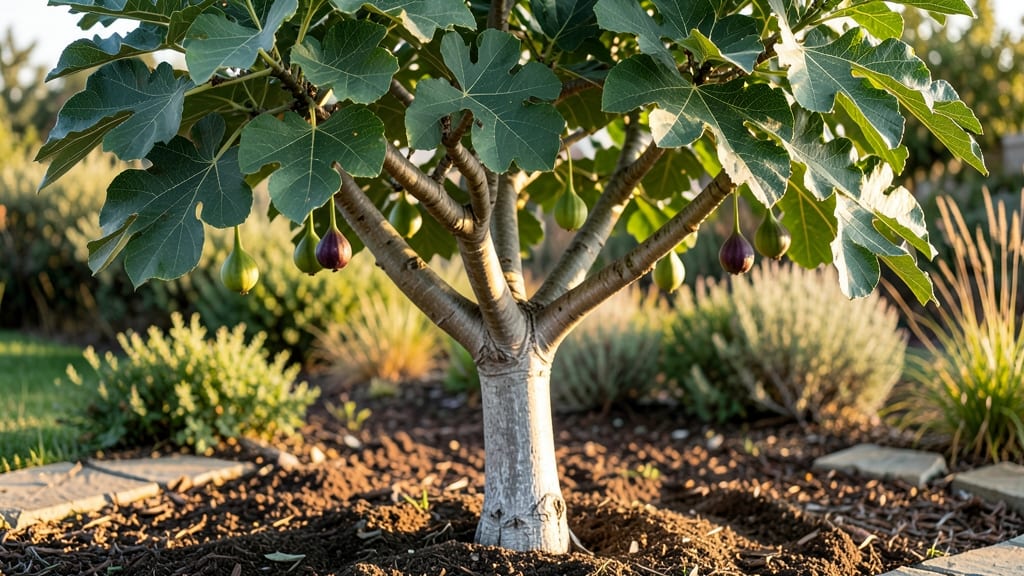
How tall will a fig tree grow? The answer can range from a compact 6 feet to a towering 100 feet, depending on the variety and growing conditions.
If you’re dreaming of a shade tree that doubles as a fruit producer, you might be surprised by how dramatically the size varies—even within the same species. Some dwarf varieties stay small enough for containers, while others grow tall enough to rival a two-story house.
The key? Choosing the right type for your space and knowing how to manage its growth.
Below, I’ll break down the height expectations for popular fig varieties, how climate and care affect size, and the best pruning techniques to keep your fig tree at your desired height—whether you want a bushy patio plant or a towering backyard centerpiece.
You’ll also discover how to control its growth naturally, so you don’t end up with a fig tree that outgrows your garden—or your patience.

Fig tree height by variety: dwarf to giant species explained
Choosing a fig tree variety means balancing your space with your dream harvest. Some varieties stay compact enough for containers, while others grow into towering shade trees.
The mature height of a fig tree can range from just 6 feet to over 100 feet, depending on the cultivar and growing conditions. Let’s explore the most popular varieties and their growth habits to help you pick the perfect fit for your garden.
Fig trees generally fall into three height categories: dwarf varieties (under 10 feet), standard varieties (15-30 feet), and giant varieties (30+ feet). Dwarf types are ideal for urban gardens or patios, while standard and giant varieties thrive in rural settings or large landscapes.
The key to controlling height lies in pruning techniques, container size, and training methods, which we’ll cover in detail later.
Here’s a quick comparison of popular fig varieties and their mature heights to help you visualize their potential in your space:
| Variety | Mature Height | Growth Habit | Ideal Growing Conditions |
|---|---|---|---|
| Little Miss Figgy | 6–8 ft | Compact, upright | Full sun, well-draining soil, containers |
| Celeste | 8–12 ft | Semi-dwarf, spreading | Full sun, Mediterranean climate, frost-free zones |
| Brown Turkey | 20–30 ft | Standard, upright | Full sun, deep soil, warm climates |
| Desert King | 15–25 ft | Upright, vigorous | Full sun, drought-tolerant, hot climates |
| Violette de Bordeaux | 10–15 ft | Weeping, spreading | Full sun, well-draining soil, cooler climates |
| Black Mission | 25–40 ft | Large, spreading | Full sun, rich soil, frost-free zones |
The Little Miss Figgy is a top choice for small spaces, reaching just 6–8 feet at maturity. Its compact growth habit makes it perfect for containers or urban gardens, while still producing sweet, reliable fruit.
In contrast, the Black Mission can grow up to 40 feet in ideal conditions, making it a statement tree for large properties or orchards.
If you’re growing figs in containers, prioritize dwarf varieties like Celeste or Little Miss Figgy. These thrive in 15–20 gallon pots and can be pruned annually to maintain their shape.
For in-ground planting, consider the spreading habit of varieties like Violette de Bordeaux, which benefits from a wide planting area of at least 10 feet in diameter.
Climate plays a critical role in fig tree height. Mediterranean climates with mild winters encourage faster, taller growth, while cooler regions may stunt growth unless you choose cold-hardy varieties like Celeste.
Always check your USDA hardiness zone before selecting a variety—some figs thrive in Zone 8, while others need Zone 10+ for optimal growth.
For fast-growing varieties, the Desert King can add 3–5 feet per year in ideal conditions. To manage its height, prune in late winter before new growth begins.
Always use sterilized pruning shears to prevent disease spread, and remove no more than 25% of the canopy in a single pruning session.
Weeping fig varieties like Violette de Bordeaux create stunning visual interest with their arching branches. To encourage this growth habit, train young trees with soft ties or trellises. These varieties also produce ornamental fruit that adds color to your landscape year-round.
When planning your fig tree’s location, account for its mature spread as well as height. Some varieties, like Black Mission, can spread 15–20 feet wide, requiring ample space. Always plant at least 10 feet away from structures to avoid root interference and ensure proper airflow.
Ready to choose your fig tree? Start by assessing your space, climate, and care commitment. Dwarf varieties offer convenience and beauty, while larger types reward patience with bountiful harvests. With the right variety and care, your fig tree will thrive—and so will your garden! 🌳
How to control fig tree height: pruning, training & space-saving tips
Controlling your fig tree height starts with understanding its natural growth patterns. Without intervention, standard varieties like Brown Turkey can reach 20-30 feet, while dwarf types like Little Miss Figgy stay under 8 feet.
The good news? You can shape your tree’s growth using simple techniques that fit any space—whether you’re working with a backyard plot or container garden.
Pruning is your most powerful tool for managing height. When done correctly, it encourages horizontal growth while keeping the canopy manageable. For upright varieties, structural pruning in late winter or early spring directs energy to fruit production rather than vertical expansion.
Even weeping fig varieties can be trained to stay within bounds with the right approach.
Select between pruning, training, or container gardening based on your tree’s variety and space.
Cut back vertical branches by 1/3 in late winter. Focus on removing suckers (shoots from the base) to redirect energy upward or outward.
Use trellises or stakes to guide growth vertically. Tie branches gently with soft ties to prevent damage.
Dwarf varieties thrive in 15-gallon containers. Prune roots annually to keep growth compact and repot every 2-3 years.
Reduce watering in fall to slow growth. Mulch heavily to conserve moisture and discourage excessive height.
Check growth every spring. Adjust pruning or support as needed to maintain your desired height.
For container-grown figs, size is entirely in your hands. Start with a dwarf variety like Celeste or Chicago Hardy, then prune roots and branches annually. A 15-gallon pot limits height to 6-8 feet, making it perfect for patios or balconies.
Just ensure the container has drainage holes and use a well-draining potting mix to prevent root rot.
If you’re growing a standard fig tree in the ground, focus on selective pruning to shape its form. Remove water sprouts (fast-growing vertical shoots) in early spring before new growth begins. This encourages a fuller, bushier shape while keeping the tree’s height in check.
For weeping varieties, prune the tips of branches to promote lateral growth and prevent the tree from becoming too tall.
Remember, timing is everything. Prune dormant fig trees in late winter or early spring before buds swell. Avoid heavy pruning in summer, as it can stress the tree and reduce fruit production.
With consistent care, your fig tree will stay at your desired height while still producing abundant, delicious fruit.
🌱