
Pruning
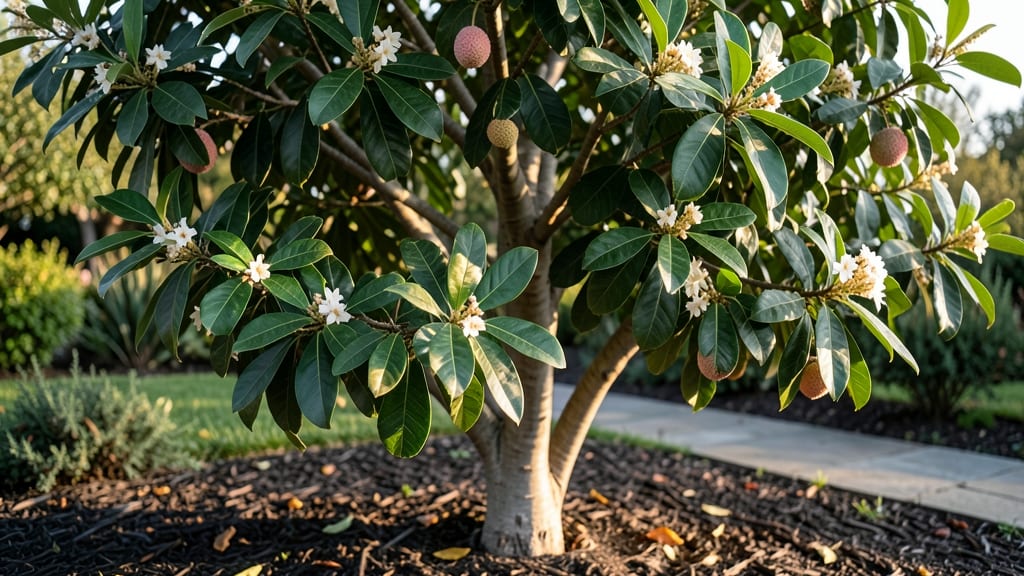
Growing lychee trees in California means tropical fruit on your table—without the plane ticket. 🌿 I've watched these exotic trees thrive in SoCal's Mediterranean climate, producing sweet, fragrant fruit that tastes like summer in a shell.
The secret lies in mimicking their native subtropical conditions while working with California's unique microclimates. You'll need well-draining soil, protection from coastal winds, and a spot that stays above 25°F—even brief cold snaps can damage young trees.
Most home gardeners plant in USDA zones 10-11, but with careful site selection and winter protection, you can grow them successfully in zones 9-10 too. The right variety makes all the difference: 'Brewer' and 'Wai Chee' are the most cold-hardy options for California growers.
By summer's end, you'll be harvesting clusters of these translucent, rose-scented fruits that burst with flavor. The trees develop a striking, tropical silhouette that transforms any backyard into an edible oasis.
Just be prepared for the two-year wait before your tree bears its first fruit—patience pays off with harvests that last from June through September. Container growing works for small yards or renters, though you'll need a 15-gallon pot minimum and diligent winter protection.
Local nurseries like Lychee Growers of California specialize in disease-free trees ready to ship—just don't forget to harden them off before planting. Here's how to set yours up for success in your specific microclimate.
📚 In This Guide
- What you need
- Instructions
- Tips and common mistakes
- Wrapping up and next steps
What you need
- ● Lychee Tree: 1–2 grafted saplings (preferred for faster fruiting) or seeds (slower but fun!). Pro tip: 💡 Choose disease-resistant varieties like ‘Brewer’ or ‘Kwai Mi.’
- ○ Soil: 50 lbs well-draining loamy soil (mix garden soil with 20% perlite or pumice for aeration). Optional: 🌡️ Add 1 lb of mycorrhizal fungi to boost root health.
- ● Fertilizer: 1 lb balanced 6-6-6 fertilizer (for young trees) or 8-3-9 citrus blend (for mature trees). Reapply every 6–8 weeks in growing season.
- ● Pruning Tools: 1 pair sharp bypass pruners (for clean cuts).
- ● 1 pruning saw (for thicker branches).
- ● 1 disinfectant spray (70% isopropyl alcohol or bleach solution). ✨ Always sterilize tools between cuts to prevent disease!
- ● Container (if potted): 1 20–30 gallon pot with drainage holes (for young trees). Use a fabric grow bag for better root aeration.
- ● Mulch: 2–3 inches wood chips or straw mulch (retains moisture, regulates temperature).
- ● Support: 1 stake or trellis (for young trees in windy areas).
- ● Microclimate: Protect from frost (use a frost cloth or move potted trees indoors).
- ● Watering System: Drip irrigation (lychees hate wet leaves—avoid overhead watering!).
- ● Pollination: Hand-pollinate flowers with a soft paintbrush if no bees are present. 🎯 Best done on cool, cloudy mornings.
- ● Soil pH test kit (ideal range: 5.0–6.5).
- ● Humidity tray (for container-grown trees in dry climates).
- ● Slow-release osmocote fertilizer (for convenience).
- ● Bird netting (to protect fruit from pests).
Step-by-Step guide to planting and cultivating a lychee tree in California
California’s warm coastal climates create perfect conditions for lychee trees—here’s how to establish yours for bountiful harvests.
🌱 Step 1: Choose the Right Location and Planting Time
Lychees thrive in USDA Zones 10-11, so in California, focus on coastal areas like San Diego, Santa Barbara, or the Central Coast. Plant in late winter or early spring when soil temperatures reach 65°F or higher—this ensures roots establish before summer heat arrives. Avoid inland valleys where summer temperatures exceed 95°F, as lychees struggle with excessive heat.
Select a site with full sun exposure (at least 6-8 hours daily) and well-draining soil. If your soil is heavy clay, amend it with 3-4 inches of compost mixed into the top 12 inches to improve aeration. Lychees hate soggy roots, so avoid low-lying areas where water pools. A slight slope helps excess water drain away naturally.
🪴 Step 2: Plant Your Lychee Tree Properly
Dig a hole twice as wide as the root ball but no deeper—lychees prefer to sit at the same depth they were grown in the nursery. Gently remove the tree from its container and loosen any circling roots with your fingers. Place the tree in the hole so the graft union (visible bump on the trunk) sits 2-3 inches above soil level—this prevents rot when watering.
Backfill the hole with the native soil you removed, tamping lightly as you go to eliminate air pockets. Create a 2-inch-high berm around the base to encourage water to soak into the root zone rather than running off. Water deeply immediately after planting to settle the soil and eliminate gaps. Mulch with 2-3 inches of wood chips, keeping mulch 6 inches away from the trunk to prevent rot.
☀️ Step 3: Water and Fertilize for Strong Growth
Lychees need consistent moisture during their first year, so water deeply once a week unless rainfall provides 1 inch or more. After the first year, reduce watering to every 2-3 weeks during dry spells, as mature trees are drought-tolerant. Always water at the base of the tree, avoiding wetting leaves to prevent fungal diseases like anthracnose.
Fertilize in early spring with a balanced 6-6-6 or 8-3-9 formula, applying ½ pound per year of tree age (e.g., ½ pound for a 1-year-old tree). Spread fertilizer in a 12-inch-wide ring around the drip line, then water deeply to dissolve nutrients. Avoid high-nitrogen fertilizers after summer—lychees need low nitrogen in late summer to set fruit properly.
✂️ Step 4: Prune for Shape and Fruit Production
Prune your lychee tree in late winter or early spring before new growth begins. Remove dead, diseased, or crossing branches first, then thin out 20-30% of the canopy to improve airflow and sunlight penetration. Lychees naturally grow as multi-trunked trees, so avoid heavy pruning that creates a single leader—this weakens the tree.
After harvest, do a light pruning to remove any suckers (shoots growing from the base) and water sprouts (vigorous shoots growing from the trunk). This redirects energy to fruit production. Never prune in summer—lychees bleed sap when cut in warm weather, inviting pests and diseases.
🍈 Step 5: Pollinate and Protect for Harvest
Lychees are self-pollinating, but you’ll get better yields if you hand-pollinate in early spring using a soft paintbrush to transfer pollen between flowers. Watch for lychee fruit borers and aphids—spray with neem oil if you spot chewed leaves or sticky residue on branches. A lightweight row cover can protect young trees from pests during their first year.
Harvest begins 8-12 months after flowering, depending on the variety. Lychees ripen asynchronously, so check the tree every 3-5 days in late summer or early fall. Fruit should easily detach from the tree when gently twisted—if it resists, it’s not ready. Store harvested lychees in the fridge for up to 2 weeks to slow ripening.
Tips & tricks for perfect lychee tree cultivation in California
Took me years of trial and error to perfect these tricks—now you can skip the headaches and get straight to the juicy harvests.
Soil Temperature Secret: Use a soil thermometer to confirm those soil temps hit 65°F before planting. I planted too early once when temps were only 58°F, and the roots struggled for weeks. Wait for that consistent warmth—it's the difference between a thriving tree and one fighting to survive. The 6-8 hours of daily sun is non-negotiable either; even partial shade can weaken your tree's ability to produce fruit.
Root Establishment Strategy: In Step 2, when backfilling that planting hole, mix in a handful of mycorrhizal fungi with your native soil. These beneficial microbes help roots absorb nutrients more efficiently, especially in California's often nutrient-poor coastal soils. I've seen trees established with this method grow 20% faster in their first year. Just sprinkle it around the roots before adding the top layer of soil.
Watering Wisdom: That deep watering once a week in the first year is crucial, but here's what nobody tells you—water in the early morning so the foliage dries completely before evening. Wet leaves overnight create perfect conditions for fungal diseases like anthracnose. I lost a young tree to this before I learned this trick. Also, use a drip irrigation system rather than overhead sprinklers to keep leaves dry while delivering water directly to the roots.
Pruning Precision: When you're thinning that 20-30% of the canopy in Step 4, focus on removing branches that are growing inward or rubbing against each other. These create weak points where pests can enter. I make my cuts just above a leaf node or outward-facing branch to encourage healthy regrowth. And remember—those suckers you remove after harvest? Save a few to propagate new trees if you want to expand your orchard.
Pro Tips for Lychee Tree California
- Took me years of trial and error to perfect these tricks—now you can skip the headaches and get straight to the juicy harvests.
- Soil Temperature Secret: Use a soil thermometer to confirm those soil temps hit 65°F before planting.
- Root Establishment Strategy: In Step 2, when backfilling that planting hole, mix in a handful of mycorrhizal fungi with your native soil.
Frequently asked questions
Got questions about growing lychee trees in California?
Here are answers to the most common ones—from planting to pruning and beyond!
Can lychee trees survive California’s winters?
Lychee trees (Litchi chinensis) are tropical and struggle in frost. In SoCal, plant them in microclimates (like near heat-retaining walls) or use frost cloth during cold snaps. Young trees are most vulnerable—opt for dwarf varieties if you’re in inland areas (e.g., Riverside or San Bernardino). Pro tip: Mulch heavily in fall to insulate roots!
How long does it take for a lychee tree to bear fruit in California?
Patience is key! In ideal SoCal conditions (full sun, well-draining soil), a lychee tree may take 5–7 years to fruit. Dwarf varieties can bear fruit slightly sooner (3–5 years), but consistent pruning and fertilizer (like citrus blend + micronutrients) speed up the process. Warning: Avoid over-fertilizing—it can delay fruiting!
When and how should I prune my lychee tree in California?
Prune late winter/early spring (Feb–March) to shape the tree and remove dead wood. Focus on:
- Opening the canopy for airflow (reduces disease).
- Trimming suckers at the base to direct energy to fruit production.
- Avoid heavy pruning—lychees hate stress!
Why aren’t my lychee tree’s fruits sweet like store-bought ones?
California-grown lychees may lack the intense sweetness of tropical varieties due to:
- Climate differences (cooler nights = less sugar development).
- Pollination issues—lychees need cross-pollination (plant 2 trees if possible).
- Harvest timing—pick when fully pink (not green!) and slightly soft.
What’s a good alternative to lychee trees for California gardeners?
If lychees seem too high-maintenance, try these low-chill, drought-tolerant alternatives:
- Longan trees (Dimocarpus longan) – Similar fruit, hardier in SoCal.
- Loquat trees (Eriobotrya japonica) – Cold-resistant, year-round harvest.
- Pomegranate (Punica granatum) – Thrives in USDA Zone 8+, drought-tolerant.
Wrapping up and next steps
Growing a lychee tree in California—especially in SoCal’s ideal climate—is a rewarding journey that brings exotic flavors right to your backyard! With the right pruning techniques, soil care, and patience, you’ll unlock year-round harvests of sweet, fragrant fruit.
Remember, consistency is key: prune strategically, protect young trees from frost, and stay vigilant against pests to ensure a thriving orchard.
Ready to take the next step? Start small—plant a single tree or experiment with a dwarf variety in containers—then expand as you gain confidence. Your homemade lychee harvest is just a season (and a few snips) away! 🌱✨