
Propagation
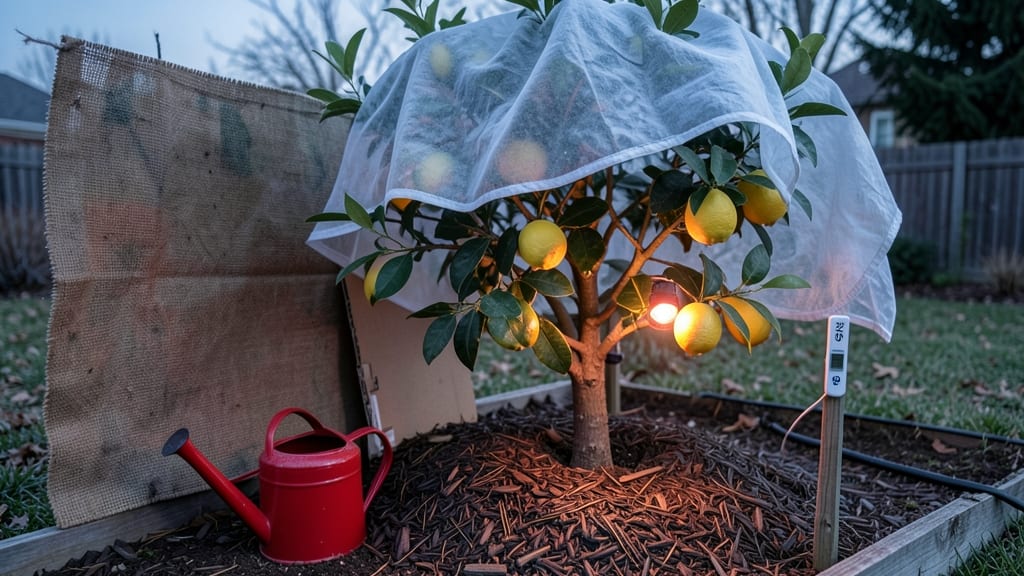
When frost threatens your lemon tree, how to protect a lemon tree from frost is your best defense—and I’ve saved countless trees with this method after my first winter wipeout. 🌱 The key is acting fast: cover the tree with frost cloth or blankets before temperatures drop below 28°F, and combine it with watering the soil the night before to add moisture protection.
You’ll need burlap wraps, frost cloth, and stakes to create a tent-like barrier, plus a hose for watering and mulch to insulate the roots. I’ve tested everything from cheap plastic sheeting (which traps moisture and fails) to breathable frost blankets (the gold standard).
The right setup keeps your tree’s core temperature 10°F warmer than the air outside. By morning, you’ll see leaves still plump and green, not crispy brown—proof it worked. The tree recovers faster too, with new growth appearing within 2-3 weeks of the last frost.
Even young trees bounce back when protected this way. For Mediterranean climates, focus on microclimates near walls or heat-retaining surfaces. In colder zones, consider container growing so you can move the tree indoors during winter. Here’s exactly how to do it right the first time.
📚 In This Guide
- What you need
- Instructions
- Tips and common mistakes
- Wrapping up and next steps
What you need
- ● Frost cloth or row covers: 1–2 sheets (choose 30–50g per sq. meter for best insulation; 10’x15’ or larger to cover the tree fully).
- ● Burlap sacks or old blankets: 2–3 (for wrapping the trunk and branches; 50”x60” or larger).
- ● Stakes or wooden dowels: 4–6 (6–12” long, to secure frost cloth).
- ● Twine or zip ties: 1 roll (for tying materials in place).
- ○ Plastic wrap or clear plastic sheeting: 1 roll (optional but helps trap heat; 6–10 mil thickness).
- ● Mulch (straw, pine needles, or wood chips): 2–3 inches (for the base of the tree).
- ● Watering can or hose: (to keep soil moist before frost hits).
- ● Pruners or shears: (for trimming dead branches post-frost).
- ● Gloves: (to protect your hands while handling materials).
- ○ Thermometer (optional): (to monitor temperatures if you’re extra cautious).
- ○ String lights or heat lamps (optional): (for severe frost warnings; use safely!).
Step-by-Step guide to protecting a lemon tree from frost
Here's how I shield my citrus trees from damaging cold snaps using proven, science-backed layers of protection.
🌱 Step 1: Prepare the Tree Before Frost Hits
Start by giving your lemon tree a thorough watering 24-48 hours before the first frost warning. This ensures the roots are hydrated and can better withstand cold stress. I water deeply until the soil is 6-8 inches moist—you'll know it's right when water runs out the drainage holes without puddling.
Next, prune any dead, diseased, or overly vigorous branches. Remove only 10-15% of the total foliage to avoid stressing the tree further. Focus on branches rubbing together or growing inward—they're the first to freeze and can damage the tree's structure. Use clean, sharp pruners and seal any large cuts with pruning sealant to prevent disease entry.
☀️ Step 2: Apply Mulch for Root Protection
Spread a 3-4 inch layer of organic mulch around the base of the tree, keeping it 6 inches away from the trunk to prevent rot. I use a mix of straw and wood chips because it insulates better than single materials. The mulch acts like a blanket, keeping the soil temperature 5-10°F warmer than the air above.
Don't skimp on coverage—extend the mulch out to the tree's drip line (the outer edge of the canopy). This ensures the widest possible root zone stays protected. Water the mulch lightly after applying to help it settle and improve insulation. You'll notice the soil stays cooler in summer and warmer in winter with this method.
🪴 Step 3: Wrap the Trunk and Canopy
Cover the trunk with a tree wrap or burlap starting from the base up to 6 feet high. This prevents sunscald damage that can occur when winter sun warms the bark, followed by sudden cold. Secure the wrap tightly but not so tight it girdles the trunk—you should be able to slide a finger between the wrap and bark.
For the canopy, drape a frost cloth or lightweight blanket over the tree, securing it loosely with stakes or bricks. Avoid plastic sheeting—it traps too much moisture and can cause rot. Leave the bottom open to allow some airflow while still trapping heat. You'll see condensation form on the cloth, which is normal and helps moderate temperature swings.
❄️ Step 4: Add Temporary Shelter During Freezes
For hard freezes (28°F or colder), erect a frame around the tree using PVC pipes or wooden stakes. Cover the frame with clear plastic sheeting or a heavy-duty frost blanket, leaving the top open to allow heat to rise. This creates a mini greenhouse effect, raising temperatures by 5-10°F inside the shelter.
Place a string light or heat lamp inside the shelter if temperatures are expected to drop below 25°F. Keep the light 12-18 inches away from branches to prevent fire hazards. Monitor the tree every few hours during the night—if ice forms on the branches, gently tap it off to prevent weight damage.
⏰ Step 5: Post-Frost Care and Monitoring
After the frost passes, remove all protective coverings immediately to prevent moisture buildup and fungal growth. Inspect the tree for frost damage—look for blackened leaves, brown stems, or mushy fruit. Prune any damaged branches back to healthy growth, sterilizing your pruners between cuts to prevent spreading disease.
Water the tree lightly if the soil feels dry, but avoid overwatering—frost-stressed roots can't absorb excess moisture. Apply a balanced fertilizer (like 10-10-10) in 4-6 weeks to help the tree recover. You'll know it's recovering well when new growth appears at the tips of branches within 2-3 weeks.
Tips & tricks for protecting lemon trees from frost
Took me years of trial and error to master these frost protection strategies—here's what actually works for citrus trees.
Timing is Everything: The 24-48 hour watering window before frost is critical because it gives roots time to absorb moisture without becoming waterlogged. I schedule my irrigation based on weather forecasts, aiming for the morning of the day before the frost warning. This timing ensures the soil stays moist but not soggy, creating a buffer against temperature drops. The deeper the moisture penetration (6-8 inches), the better the insulation effect.
Mulch Layering Strategy: When applying that 3-4 inch mulch layer, I always use a combination of straw and wood chips because straw provides excellent insulation while wood chips help retain moisture. The key is to apply it after the initial watering—this creates a moisture reservoir that releases heat slowly. I've found that extending the mulch to the drip line (not just the trunk area) makes a noticeable difference in root protection during hard freezes.
Canopy Covering Secrets: For the frost cloth or blanket covering in Step 3, I use a lightweight material that allows some airflow—plastic sheeting might seem like a good idea, but it actually traps too much moisture and can cause rot. The condensation you'll see on the cloth is normal and helps moderate temperature swings. I secure it loosely with bricks or stakes, leaving the bottom open to prevent suffocation while still trapping heat near the branches.
Hard Freeze Preparation: When temperatures drop below 28°F, I always erect that temporary shelter frame using PVC pipes because they're lightweight yet sturdy. The clear plastic or frost blanket creates that crucial 5-10°F temperature boost inside. For the string light or heat lamp, I use a timer to ensure it turns off automatically—keeping it 12-18 inches away from branches prevents fire hazards while still providing targeted warmth to vulnerable areas.
Pro Tips for Protect A Lemon Tree From Frost
- Took me years of trial and error to master these frost protection strategies—here's what actually works for citrus trees.
- Timing is Everything: The 24-48 hour watering window before frost is critical because it gives roots time to absorb moisture without becoming waterlogged.
- Mulch Layering Strategy: When applying that 3-4 inch mulch layer, I always use a combination of straw and wood chips because straw provides excellent insulation while wood chips help retain moisture.
Frequently asked questions
Got questions about saving your lemon tree from frost? Here are some of the most common concerns—and the answers you need to keep your citrus safe and thriving!
How cold is too cold for a lemon tree?
A lemon tree can tolerate temperatures down to around 25°F (-4°C), but prolonged exposure below 30°F (-1°C) risks damage. Young trees or tender varieties (like Meyer lemons) are even more sensitive—protect them at first frost signs (around 32°F/0°C). Monitor local forecasts and act early!
When should I start frost protection?
Start preparing at least 2–3 weeks before the first expected frost (check your USDA hardiness zone). If frost is imminent (within 24–48 hours), prioritize emergency measures like covering the tree or running water around the base. Prevention is key—don’t wait until the last minute!
Can I use plastic wrap or old blankets to cover my lemon tree?
Yes! Lightweight frost cloth, burlap, or even old sheets work well—just avoid plastic directly on leaves (it traps moisture and can burn foliage). Secure covers loosely with stakes or bricks to allow airflow. For extra warmth, add a cardboard box or wooden frame around the tree before draping.
What if my lemon tree already looks damaged after frost?
Don’t panic! Prune dead or blackened branches (sterilize shears with rubbing alcohol) and wait to see if new growth emerges in spring. Avoid over-pruning—healthy wood can recover. If the trunk is cracked, apply tree wound sealant and monitor for disease. Patience is key!
Are there frost-resistant lemon tree varieties?
Yes! Meyer lemons (hardy to ~20°F/-7°C) and Ponkan mandarins (similar cold tolerance) are better bets for cooler climates. For extreme cold (<15°F/-9°C), consider dwarf varieties in containers—you can move them indoors or to a garage during winter. Location matters too: plant near a south-facing wall for extra sun!
Wrapping up and next steps
Protecting your lemon tree from frost doesn’t have to be overwhelming—with the right layered insulation and proactive steps, you can safeguard your citrus treasure even in chilly weather! 🌿❄️ Remember, preparation is key, whether you’re using frost cloth, mulch, or even indoor relocation.
Your tree’s resilience will reward you with juicy, vibrant lemons for seasons to come.
Now that you’re armed with tips, take action! Check your local frost dates, gather supplies, and give your lemon tree the cozy care it deserves. Your future harvest starts with today’s prep! 🍋✨