
Container Gardens
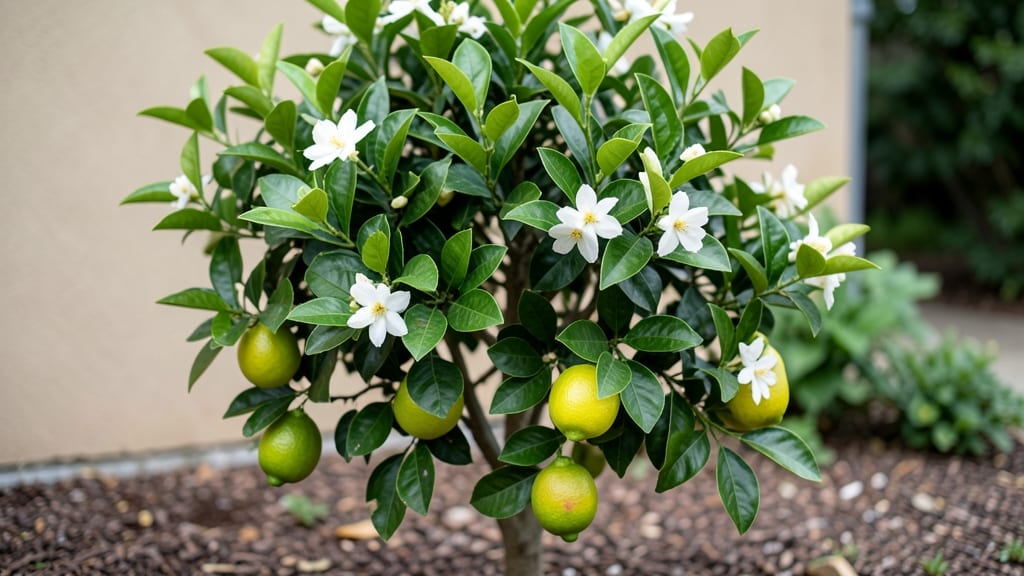
Growing a Meyer lemon tree in a pot means zesty harvests even on tiny balconies or sunny windowsills. 🌱 I’ve watched mine produce fruit in three years—proof that container citrus is totally doable with the right setup.
The key? Mimicking the Mediterranean climate it craves, but in a way that fits your space.
Start with a 15-20 gallon pot (diameter matters more than depth) and well-draining soil mixed with perlite or sand. Meyer lemons thrive in full sun (6+ hours daily) but need winter protection if temps drop below 25°F.
Water when the top inch of soil dries, but never let it sit soggy—root rot is the silent killer of container citrus.
By summer, you’ll be pinching back leggy growth and fertilizing monthly with citrus-specific food. The first blooms arrive in year 2 or 3, and those fragrant white flowers mean sweet, 4-inch lemons by fall. The scent alone—bright, floral, and citrusy—makes every pruning session worth it.
This method works for patios, decks, or even large windowsills (with grow lights). The only trade-off? You’ll need to repot every 2-3 years to keep roots happy. Trust me, the first lemon you pick straight from the tree changes everything.
📚 In This Guide
- What you need
- Instructions
- Tips and common mistakes
- Wrapping up and next steps
What you need
- ● Container: A pot at least 12–18 inches in diameter and depth (5–7 gallons) with drainage holes. Terracotta or ceramic pots work well, but avoid plastic if possible.
- ● Well-draining potting mix: A blend of 50% cactus/succulent mix, 30% perlite or pumice, and 20% compost (avoid heavy garden soil).
- ● Meyer lemon tree: A healthy nursery-grown sapling (4–6 months old) or a bare-root plant (if transplanting).
- ● Drainage layer: 2–3 inches of gravel, pebbles, or broken pottery at the pot’s bottom.
- ● Trowel or small shovel for planting.
- ● Watering can with a narrow spout (or a hose with gentle spray).
- ● Fertilizer: A balanced citrus fertilizer (6-6-6 or 10-10-10) or organic options like fish emulsion or citrus-specific granules.
- ● Saucer or tray (to catch excess water).
- ○ Mulch (optional): Pine bark or straw to retain moisture (apply lightly on top soil).
- ○ Support stake (optional): For taller trees, use a bamboo stake or trellis.
- ○ Spray bottle (optional): For misting leaves if humidity is low.
- ● A sunny spot with 6–8 hours of direct sunlight daily (south-facing window or outdoor balcony).
- ● Consistent care: Regular watering, fertilizing, and pruning (every 2–3 months).
- ● Patience: Meyer lemons typically bear fruit in 2–3 years with proper care!
Step-by-step instructions for growing a Meyer lemon tree in a pot
Here's how to cultivate a thriving Meyer lemon tree in limited space—my foolproof method for container citrus success.
🪴 Step 1: Select the Right Container and Drainage System
Choose a 5-gallon or larger pot with multiple drainage holes—Meyer lemons despise soggy roots. I prefer unglazed ceramic because it breathes, but any durable plastic or fiberglass works too. The pot must be at least 18 inches deep to accommodate root growth without crowding.
Line the bottom with 3-4 inches of gravel or broken pottery to create an air pocket for drainage. This prevents root rot, which is the #1 killer of potted citrus. I always test drainage by filling the pot with water—if it doesn’t empty within 10-15 minutes, the setup is wrong. Adjust the gravel layer until water flows freely.
🌱 Step 2: Use Acidic, Well-Draining Soil and Plant Correctly
Fill the pot with a citrus-specific potting mix (or blend 60% peat moss, 20% perlite, and 20% sand). Meyer lemons thrive in slightly acidic soil (pH 6.0-7.0)—test your mix with a pH meter if unsure. Never use garden soil; it compacts and suffocates roots.
Remove the tree from its nursery pot and loosen the roots if they’re circling. Plant at the same depth as it grew in the nursery—burying the graft union (visible bump near the base) will kill the tree. Press the soil gently around the roots and water deeply until it drains from the bottom holes.
☀️ Step 3: Position for Maximum Sunlight and Humidity
Meyer lemons need 6-8 hours of direct sunlight daily—a south- or west-facing spot is ideal. If indoors, place near a south window or under grow lights (12-14 hours/day). You’ll know the light is right when leaves stay deep green and new growth appears every 4-6 weeks.
Increase humidity by misting leaves daily or placing the pot on a pebble tray with water. Citrus hates dry air, which causes leaf drop. I also group my potted lemons with other plants to create a microclimate—this mimics their native tropical environment.
💧 Step 4: Water and Fertilize for Optimal Growth
Water when the top 2 inches of soil feel dry—stick your finger in to check. Overwatering is worse than underwatering; yellow leaves signal root rot, while drooping leaves mean thirst. Always water at the base, not overhead, to prevent fungal diseases.
Feed every 4-6 weeks with a balanced citrus fertilizer (10-10-10 or 8-3-9). I dilute it to half-strength the first year to avoid burning tender roots. In winter, reduce feeding to once every 8-10 weeks—growth slows in cooler months, and the tree stores nutrients.
✂️ Step 5: Prune and Repot for Long-Term Health
Prune in late winter or early spring to shape the tree and encourage airflow. Remove dead, crossing, or inward-growing branches with sterilized shears. I also trim overly long branches by ⅓ to promote bushier growth—never cut more than that in one session.
Repot every 2-3 years into a 2-4 inch larger container in spring. This prevents root-bound stress, which stunts growth. Refresh the top 2 inches of soil annually to replenish nutrients—old soil loses fertility fast.
Tips & tricks for perfect Meyer lemon tree growth in pots
These pro-level insights will help you avoid the most common pitfalls and maximize your potted citrus harvest.
Container Selection: Unglazed ceramic pots are ideal because they allow moisture to evaporate through the walls, but if you choose plastic, opt for one with thick walls to prevent overheating. I’ve seen growers use fabric pots with great success—they wick moisture away from roots, reducing rot risk. Whatever you choose, ensure the pot has handles for easy moving, especially when your tree reaches maturity.
Soil Mix Secrets: The 60-20-20 blend of peat moss, perlite, and sand is perfect, but if you can’t find peat moss, substitute with coconut coir—it retains moisture better while still providing excellent drainage. For an extra boost, mix in 1 tablespoon of Epsom salt per gallon of soil at planting time; this provides magnesium, which Meyer lemons crave for vibrant foliage and sweet fruit.
Lighting Hacks: If your space lacks natural sunlight, supplement with a full-spectrum LED grow light positioned 12-18 inches above the tree. I’ve found that rotating the pot quarter-turn daily prevents lopsided growth when using artificial light. For indoor growers, a south-facing window with at least 6 hours of direct sun is non-negotiable—west-facing windows work too, but east-facing ones often leave trees light-starved.
Watering Wisdom: The finger-check method works, but I’ve learned to trust my eyes too: healthy soil should look darker at the surface when dry. For containers, I water until liquid runs freely from the drainage holes—this ensures the entire root ball gets hydrated. In winter, reduce watering to every 7-10 days as growth slows, but always check the top 2 inches before watering.
Pro Tips for Growing Meyer Lemon Tree In A Pot
- These pro-level insights will help you avoid the most common pitfalls and maximize your potted citrus harvest.
- Container Selection: Unglazed ceramic pots are ideal because they allow moisture to evaporate through the walls, but if you choose plastic, opt for one with thick walls to prevent overheating.
- Soil Mix Secrets: The 60-20-20 blend of peat moss, perlite, and sand is perfect, but if you can’t find peat moss, substitute with coconut coir—it retains moisture better while still providing excellent drainage.
Frequently asked questions
Got questions about keeping your Meyer lemon tree thriving in a pot? Here are some of the most common concerns—and their solutions—to help you grow like a pro!
How cold can a potted Meyer lemon tree tolerate?
A Meyer lemon tree is tender to frost and thrives best in USDA Zones 9–11. If temperatures drop below 30°F (-1°C), move your pot indoors or wrap it in frost cloth. Young trees are especially sensitive—bring them inside when nighttime temps fall below 40°F (4°C) for safety.
How often should I repot my Meyer lemon tree?
Repot your tree every 2–3 years or when roots circle the pot’s bottom (check by gently removing it). Choose a container 2–4 inches larger in diameter with drainage holes. Spring is the ideal time to repot—avoid disturbing roots during winter dormancy or hot summer months.
Why aren’t my Meyer lemon tree’s leaves turning yellow?
Yellow leaves often signal overwatering, underwatering, or nutrient deficiencies. Check the soil: it should be damp but not soggy. Adjust watering and ensure the pot has drainage. Yellowing with brown edges? It’s likely underwatering or low humidity. Feed with citrus-specific fertilizer every 2–3 months in growing seasons.
Can I grow a Meyer lemon tree in a small pot?
Yes! Meyer lemon trees adapt well to 5–15 gallon pots, but size matters. Smaller pots (under 10 gallons) require more frequent watering and fertilizing. Prune roots if overcrowded, and use a well-draining potting mix (like cactus/succulent mix + perlite). Just ensure the pot has drainage holes to prevent root rot.
How long does it take for a Meyer lemon tree to bear fruit in a pot?
Patience is key! A potted Meyer lemon tree may take 2–5 years to bear fruit, depending on care, sunlight, and age. Young trees (under 3 years) focus on growth—prioritize 6+ hours of sunlight daily, balanced fertilizer, and consistent watering. With ideal conditions, you could see tiny, sweet lemons by year 3!
What pests should I watch for on my potted Meyer lemon tree?
Common pests include spider mites, aphids, and scale insects. Inspect leaves regularly for sticky residue or tiny webs. Treat infestations early with neem oil or insecticidal soap. Encourage beneficial insects like ladybugs by planting companion herbs (e.g., basil or rosemary) nearby.
Wrapping up and next steps
Growing a Meyer lemon tree in a pot is a rewarding journey that brings sunshine, fresh air, and delicious fruit right to your doorstep—even in small spaces! 🌱 With the right container, soil, sunlight, and care, you’ll enjoy a thriving citrus tree that’s as beautiful as it is productive.
The key is patience, consistency, and a little love.
Now that you’re armed with tips and answers, it’s time to roll up your sleeves and get planting!
Start with your chosen pot and soil, follow the care routine, and soon you’ll be harvesting sweet, fragrant lemons. Pro tip: Share your progress with fellow gardeners—you’ll inspire others to try their own citrus adventures! 🍋✨