
Light Requirements
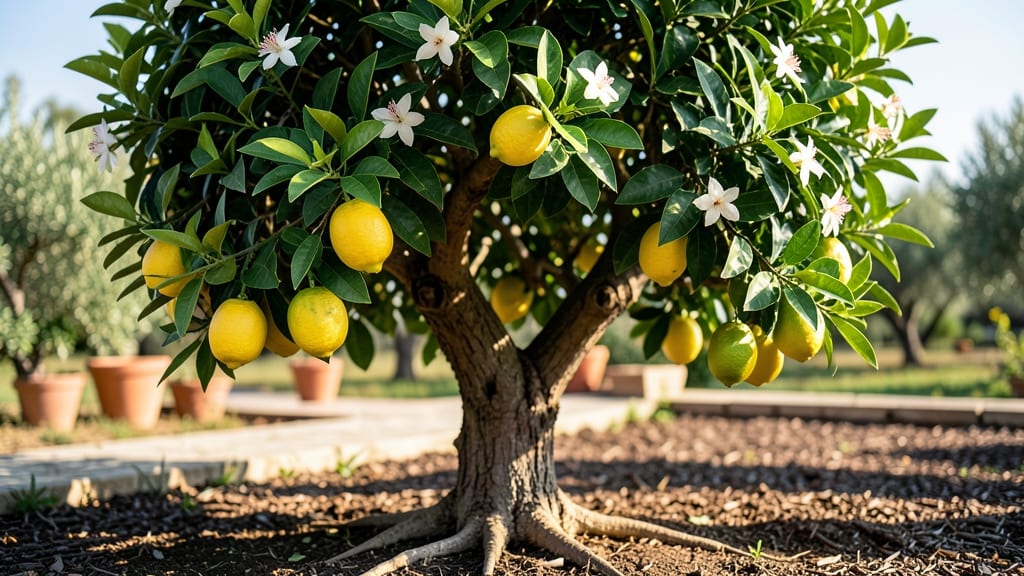
Growing a lemon tree in full sun isn't just possible—it's where these citrus queens shine brightest. 🌞 I've watched my own lemon tree transform from a scraggly sapling into a fruit-bearing powerhouse, all because I gave it the sunlight it craves.
That golden glow isn't just for show; it's what turns those tiny green buds into the sweetest lemons you'll ever taste.
The secret starts with the right spot: at least 6-8 hours of direct sunlight daily, with more being better for fruit production.
My tree thrives in a south-facing spot where it bakes under the midday sun but gets afternoon shade in summer—though true full-sun lovers can handle all-day exposure if you're in a hotter climate.
The soil needs to drain like a dream, too; citrus hates soggy feet, so raised beds or well-amended garden soil is key.
What you'll end up with is a tree that produces 2-3 times more fruit than one in partial shade, plus glossy leaves that smell like summer vacations. The trade-off?
You'll need to water deeply 2-3 times a week in summer and protect it from frost—worth every effort when you're biting into homegrown lemons in winter.
Works beautifully in Mediterranean climates but can adapt to temperate zones with winter protection. Here's how to make it work where you live—no citrus-growing experience required.
📚 In This Guide
- What you need
- Instructions
- Tips and common mistakes
- Wrapping up and next steps
What you need
- ● Lemon tree sapling: Choose a Citrus limon variety (e.g., Eureka or Meyer lemon) from a nursery. 1 plant (dwarf varieties work well for containers).
- ● Well-draining soil: Mix 50% potting soil with 50% perlite or coarse sand (or use pre-mixed citrus soil). 10–20 lbs (depending on pot size).
- ● Pot or garden bed: Container growers: 15–25 gallon pot (minimum 12" diameter) with drainage holes.
- ● In-ground plantings: Dig a hole twice as wide as the root ball and 1–2 inches shallower.
- ● Fertilizer: Citrus-specific fertilizer (e.g., 6-6-6 NPK) or organic options like fish emulsion. 1–2 tbsp per gallon of soil.
- ● Watering can or hose: With a gentle spray nozzle (avoid overhead watering).
- ● Pruning shears: Sharp, sterilized shears for shaping and harvesting.
- ● Mulch: 2–3 inches of organic mulch (e.g., straw or wood chips) to retain moisture.
- ● Support stake: For young trees (if needed for stability).
- ● pH test kit: To monitor soil pH (6.0–7.0 ideal for lemons).
- ● Shade cloth: 30–50% coverage for seedlings or extreme heat (temporarily).
- ● Humidifier or pebble tray: If growing indoors near dry heat.
Step-by-step instructions for growing a lemon tree in full sun
Here’s how to give your citrus tree the bright, bold conditions it craves for sweet, abundant fruit.
🪴 Step 1: Choose the Right Spot and Container
Lemon trees need at least 6-8 hours of direct sunlight daily, so pick a south- or west-facing location where they’ll bask in full sun. If growing in containers, use a large pot (at least 15-20 gallons) with drainage holes—citrus roots hate soggy feet. I like to place mine on a patio where they get morning sun and afternoon shade in hot climates.
Fill the pot with well-draining citrus potting mix (never regular garden soil—it compacts and causes root rot). The mix should feel light and airy, almost like a fluffy cake batter. Tap the pot gently after filling to settle the soil without packing it down too tightly.
☀️ Step 2: Plant and Position for Maximum Sunlight
Dig a hole in the pot just deep enough to bury the root ball up to the topmost roots. Gently loosen any circling roots with your fingers—this encourages outward growth. Place the tree in the hole and backfill with soil, pressing lightly to remove air pockets. Water deeply right after planting to help the roots settle.
Position your lemon tree where it’ll get bright, indirect light in the hottest afternoon hours (think dappled shade if temps exceed 90°F). You’ll notice leaves start to yellow or crisp at the edges if it’s getting too much scorching sun—this is your cue to move it slightly or provide afternoon shade with a sheer curtain.
💧 Step 3: Water Deeply and Consistently
Water your lemon tree once a week during the first year, letting the top 2-3 inches of soil dry out completely between waterings. Stick your finger in the soil—if it feels dry past your first knuckle, it’s time to water. Overwatering is the #1 killer of young citrus trees, so always check before adding more moisture.
In hot, dry climates, you may need to water every 4-5 days. Use room-temperature water to avoid shocking the roots, and water at the base rather than overhead. You’ll know you’re doing it right when water runs out the drainage holes and the soil feels uniformly damp but not soggy.
✂️ Step 4: Prune and Fertilize for Healthy Growth
Prune your lemon tree in late winter or early spring before new growth begins. Remove any dead, diseased, or crossing branches with clean, sharp pruners. I also trim back any leggy growth to encourage a bushier shape—citrus trees fruit better when they’re compact and well-branched.
Fertilize every 4-6 weeks during the growing season (spring through fall) with a citrus-specific fertilizer or one high in nitrogen, phosphorus, and potassium (like a 6-6-6 blend). You’ll see new leaves emerging within 2-3 weeks of fertilizing—that’s your sign the tree is thriving. Reduce fertilizing in winter when growth slows.
🍋 Step 5: Protect and Encourage Flowering
Lemon trees need cool nights (around 50-60°F) to trigger flowering, so if you’re in a warm climate, move potted trees to a shaded, cooler spot in late summer. Once flowers appear, avoid shaking the tree or disturbing them—gentle pollination happens naturally, but rough handling can drop blossoms.
Thin out fruit clusters to 3-4 lemons per branch once they’re the size of a golf ball. This ensures the remaining fruit gets enough energy to ripen fully. You’ll know they’re ready to pick when they’re bright yellow and slightly soft to the touch—don’t wait too long, or they’ll turn mealy inside.
Tips & tricks for perfect lemon tree growth in full sun
A few simple tricks can transform your citrus tree from struggling sapling to thriving fruit producer. Here's what I've learned after watching my own lemon trees flourish.
Sunlight Strategy: That 6-8 hours of direct sunlight isn't just about quantity—it's about quality. Morning sun builds energy, while afternoon sun can scorch delicate leaves. I've found the sweet spot is placing trees where they get full morning sun but move to dappled shade by 2 PM, especially when temperatures exceed 90°F. This prevents leaf burn while still giving them plenty of light.
Soil Science: The well-draining citrus potting mix is non-negotiable, but here's the secret: add a handful of perlite or pumice to every 5 gallons of mix. This creates air pockets that prevent root rot while still holding enough moisture. I also top-dress with a 1-inch layer of coarse sand annually to maintain drainage—citrus roots need oxygen as much as water.
Watering Wisdom: The once-a-week guideline works for most climates, but there's a trick to perfect watering: use the "knuckle test" beyond the 2-3 inch dry zone. If the soil feels dry past your second knuckle, it's time to water. Also, always water in the morning so excess moisture evaporates during the day rather than sitting around the roots overnight.
Fertilizer Timing: Those 4-6 week intervals between fertilizing are perfect, but here's what nobody tells you—the first feeding should happen 6-8 weeks after planting, not immediately. This gives the roots time to establish without fertilizer burn. After that, I fertilize every 5 weeks in summer and every 7 weeks in spring/fall when growth slows.
Pro Tips for Lemon Tree Full Sun
- A few simple tricks can transform your citrus tree from struggling sapling to thriving fruit producer. Here's what I'...
- Sunlight Strategy: That 6-8 hours of direct sunlight isn't just about quantity—it's about quality. Morning sun builds...
- Soil Science: The well-draining citrus potting mix is non-negotiable, but here's the secret: add a handful of perlite...
Frequently asked questions
Got questions about growing a lemon tree in full sun? You’re not alone!
Here are answers to the most common concerns—so you can enjoy juicy lemons without the guesswork.
How much full sun does a lemon tree really need?
A lemon tree thrives in 6–8 hours of direct sunlight daily. In hot climates, light shade (like dappled sun) during peak afternoon heat can prevent leaf scorch. If your tree gets less than 6 hours, expect slower growth and fewer fruits. Pro tip: South-facing windows or a south-side patio are ideal for containers!
Can lemon trees handle full sun in winter?
Lemon trees are tropical and prefer mild winters. In full sun during cold months, they may struggle if temps drop below 40°F (4°C). Move potted trees indoors near a sunny window, or protect outdoor trees with frost cloth. Evergreen varieties (like ‘Meyer’) tolerate cooler temps slightly better but still need winter care.
Why aren’t my lemon tree’s leaves turning yellow in full sun?
Yellow leaves in full sun usually signal overwatering, poor drainage, or nutrient deficiencies. Check soil moisture—it should dry slightly between waterings. Also, ensure your tree gets balanced citrus fertilizer (high in nitrogen, phosphorus, and potassium) every 2–3 months. Fix it: Trim yellowed leaves and repot if roots are waterlogged.
What if my yard doesn’t get full sun—are there alternatives?
Yes! Try these workarounds:
- Dwarf varieties: ‘Improved Meyer’ or ‘Ponderosa’ grow well in partial shade (4–6 hours of sun).
- Containers: Move pots to sunnier spots or use grow lights (12–14 hours/day) for indoor trees.
- Reflective surfaces: Place white walls or mirrors near the tree to bounce extra light.
Are pests more common in full-sun lemon trees?
Full sun can attract pests like aphids, spider mites, or scale due to stressed plants. Keep your tree healthy with:
- Regular neem oil sprays (preventative care).
- Pruning for good airflow (pests love dense foliage).
- Inspecting new growth weekly for early signs.
Wrapping up and next steps
Growing a lemon tree in full sun is a rewarding journey that brings vibrant foliage, fragrant blooms, and—with patience—delicious fruit! 🌞 By choosing the right location, providing consistent care, and troubleshooting common issues, you’ll set your citrus tree up for long-term success.
Whether you’re a beginner or a seasoned gardener, the key is observation and adaptability—your tree will thank you with lush growth and sweet rewards.
Ready to take the next step? Start small:
- Pick a sunny spot and plant your tree this weekend!
- Join a local gardening group for tips and inspiration.
- Document your progress with photos—watch your lemon tree thrive over time!