
Pruning
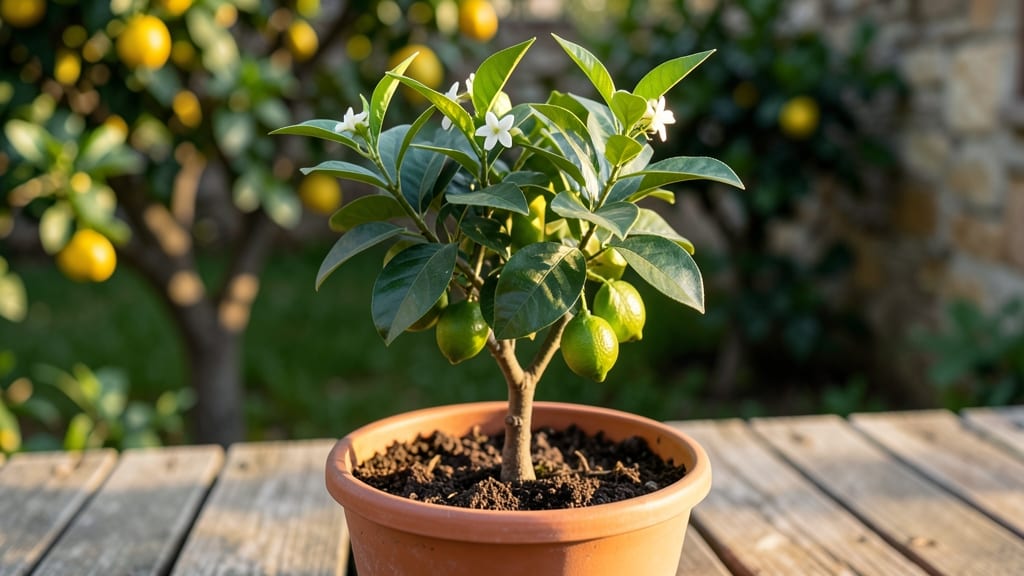
A lemon tree starter in your kitchen could mean fresh citrus in just 3 years—not the 10+ years seeds take. 🌱 I learned the hard way that nursery starters (not seeds) are the only way to get fruit quickly, and with the right container and care, they thrive even on a sunny windowsill.
Start with a 4-5 gallon pot and well-draining soil mix—half potting soil, half perlite or sand. Your starter needs 6+ hours of sunlight daily, so south-facing windows or grow lights work best.
Water when the top inch feels dry, but never let it sit soggy (root rot is the #1 killer of young citrus).
By summer, you’ll see new leaves and maybe even a tiny flower—proof you’re doing it right. The key is patience: minimal pruning (just dead branches) and consistent care. Even my black thumb’s lemon tree survived its first winter with these tricks.
Container-grown lemons need repotting every 2-3 years to keep roots happy, but the payoff is worth it: homegrown lemons taste nothing like store-bought. Here’s how to avoid the pitfalls most beginners hit.
📚 In This Guide
- What you need
- Instructions
- Tips and common mistakes
- Wrapping up and next steps
What you need
- ● Lemon tree starter: Choose a healthy, disease-free Citrus limon sapling (3-6 months old) from a nursery or online citrus specialist. Look for one with 3-5 sturdy stems and vibrant green leaves.
- ● Container: A 5-gallon pot or larger (minimum 12-18 inches deep and wide) with drainage holes. Opt for terracotta, ceramic, or fabric grow bags for breathability.
- ● Well-draining potting mix: A blend of 60% citrus-specific soil, 30% perlite or pumice, and 10% compost. Avoid garden soil—it compacts and suffocates roots!
- ● Slow-release fertilizer: A citrus-specific granular fertilizer (e.g., 6-6-6 NPK ratio) to provide nutrients for 3-6 months.
- ● Pruning tools: Sharp bypass pruners (for clean cuts on stems ≥ ¼ inch thick).
- ● Sterilized hand pruners (for smaller trims).
- ○ Garden shears (optional, for shaping larger branches).
- ● Gloves: Heavy-duty gardening gloves to protect against thorns and sap.
- ● Watering can or hose with a gentle spray nozzle (avoid overhead watering to prevent fungal issues).
- ● Mulch: Organic mulch (e.g., straw or bark chips) to retain moisture and regulate soil temp.
- ○ Support stake or trellis: (Optional) For young trees to prevent toppling as they grow.
- ○ pH testing kit: (Optional) To monitor soil pH (ideal range: 6.0–7.0 for lemons).
- ○ Hydrogen peroxide (3%) or copper fungicide: (Optional) For sterilizing tools and treating potential fungal issues.
- ● A sunny spot with 6+ hours of direct sunlight daily (south-facing window or outdoor patio).
- ● Access to filtered or rainwater (lemon trees are sensitive to chlorine/fluoride in tap water).
- ● Patience! Lemon trees thrive with consistent care—pruning should be minimal in the first year.
Step-by-step instructions for growing a lemon tree in containers
Here’s how to grow a thriving lemon tree indoors—no pruning skills required.
🪴 Step 1: Choose the Right Container and Drainage
Start with a 5-gallon pot (or larger) that has multiple drainage holes—citrus roots rot quickly in soggy soil. I like terracotta because it breathes, but plastic works too if you drill extra holes. Place a 2-inch layer of gravel or broken pottery at the bottom to prevent clogging while allowing excess water to escape.
Skip the saucer if your pot doesn’t have one. Lemon trees hate wet feet, and standing water in the saucer turns into a fungal buffet. If you’re repotting, pick a container at least 2 inches wider than the current root ball—this gives roots room to spread without crowding.
🌱 Step 2: Use Fast-Draining Citrus Soil Mix
Fill the pot with a well-draining citrus mix—never garden soil. I blend 50% premium potting mix, 30% perlite, and 20% coarse sand (or use a pre-made citrus blend). This combo prevents compaction and mimics the Mediterranean soil lemons love.
Leave 1 inch of space at the top for watering. Tap the pot gently to settle the mix, then water until moisture runs freely from the drainage holes. Let it drain completely—you’ll know it’s ready when the top inch feels dry to the touch. This ensures roots get oxygen, not just water.
☀️ Step 3: Plant and Position for Bright, Indirect Light
Remove the lemon tree from its nursery pot and loosen the roots if they’re circling. Place it in the center of your container, then backfill with soil, pressing lightly to eliminate air pockets. Water again to settle everything.
Lemons need 6+ hours of bright, indirect light daily—a south-facing window is ideal. If your tree stretches toward the light (leggy growth), it’s not getting enough. Move it closer to the window or supplement with a grow light for 12-14 hours/day. Yellowing leaves? That’s a sign it’s getting too much direct sun—adjust the position.
💧 Step 4: Water Deeply and Maintain Consistent Moisture
Water when the top 2 inches of soil feel dry—stick your finger in to check. Pour water slowly until it drains from the bottom, then empty the saucer after 10 minutes. Overwatering is the #1 killer of container citrus, so let the top inch dry between waterings in winter (when growth slows).
Mist the leaves 2-3 times a week in dry climates—lemons love humidity. If the air feels dry (like in winter with heaters running), place the pot on a pebble tray filled with water to boost moisture without soggy soil. Brown leaf tips? That’s a classic sign of low humidity or fluoride in tap water—switch to filtered or rainwater.
✂️ Step 5: Minimal Pruning for Shape and Health
Prune only when necessary—lemons reward patience. Cut back overly long branches in early spring to encourage bushier growth, using clean, sharp pruners. Make cuts just above a leaf node (the bump where leaves attach) at a 45-degree angle to prevent water pooling. Never prune more than 1/3 of the tree at once—this stresses the plant.
Remove dead, diseased, or crossing branches year-round. If you see suckers (tiny shoots at the base or along branches), snip them off—they drain energy from fruit production. A lightly pruned lemon tree focuses its energy on leaves and fruit, not wild growth. Real talk: You’ll get more lemons if you prune less—just shape it, don’t hack it.
Tips & tricks for perfect container-grown lemon trees
These simple strategies will help your citrus companion thrive without the fuss—because even lemon trees deserve a little TLC.
Container Size Matters: That 5-gallon pot isn't just a suggestion—it's the minimum. If you're dreaming of fruit, opt for a 7-10 gallon container by year two. Roots need space to explore, and cramped quarters mean stunted growth. I've seen lemon trees in 5-gallon pots live for years, but they'll never reach their full potential. And remember, wider is better than taller—roots spread horizontally, not vertically.
Soil Science Secret: The 50-30-20 mix (potting soil/perlite/sand) is non-negotiable for container citrus. Here's the thing: Perlite isn't just filler—it creates those tiny air pockets roots crave. If you're using a pre-made citrus blend, check the ingredients: If it doesn't have perlite or vermiculite, mix in 20% extra. Pro tip: Sterilize your soil mix by baking it at 200°F for 30 minutes to kill any lurking fungi before planting.
Lighting Upgrade: Those 6+ hours of bright light? That's your baseline, but don't stop there. Rotate your pot quarter-turns weekly so all sides get equal sun exposure. In winter, when daylight shrinks, supplement with a basic LED grow light 12 inches above the tree for 4-6 hours. I've seen leggy lemon trees transform in weeks with just this simple adjustment—it's like giving your tree a vitamin D boost.
Watering Wisdom: The 2-inch dry soil rule works, but here's what nobody tells you: Water quality matters just as much as quantity. If your tap water has high fluoride (common in many areas), use filtered or rainwater instead. I've had lemon trees with crisp green leaves suddenly develop brown tips—turns out it was the fluoride in our city water all along. And that 10-minute saucer drain time? Set a timer so you don't forget—roots can't tell time, but they'll thank you for it.
Pro Tips for Lemon Tree Starter
- These simple strategies will help your citrus companion thrive without the fuss—because even lemon trees deserve a li...
- Container Size Matters: That 5-gallon pot isn't just a suggestion—it's the minimum. If you're dreaming of fruit, opt ...
- Soil Science Secret: The 50-30-20 mix (potting soil/perlite/sand) is non-negotiable for container citrus. Here's the ...
Frequently asked questions
Got questions about starting and maintaining your lemon tree starter? You’re not alone! Here are some of the most common concerns—and straightforward answers to help you grow a thriving citrus tree with ease.
How long does it take for a lemon tree starter to bear fruit?
A lemon tree starter grown from a young plant typically takes 3–5 years to produce fruit, depending on care, sunlight, and variety. Dwarf varieties may fruit sooner (as early as 2–3 years), while standard trees take longer. Patience is key—focus on healthy growth first!
Can I grow a lemon tree starter indoors year-round?
Yes, but with adjustments! Place your lemon tree starter near a south-facing window (6+ hours of sunlight daily) or use a grow light. In winter, reduce watering and watch for leaf drop—a normal response to lower light. Move it outdoors in spring for optimal growth.
How do I protect my lemon tree starter from frost or cold weather?
Lemon trees are tender perennials and can’t handle frost (<32°F). For container-grown starters, move them to a garage or sheltered porch when temps drop. If outdoors, cover with a frost cloth or blanket. Avoid sudden temperature swings—consistency is critical!
What’s the best alternative if my lemon tree starter isn’t thriving?
If your tree struggles with yellow leaves, pests, or slow growth, try these fixes:
- Meyer lemon (hardier, more cold-tolerant than true lemons).
- Dwarf varieties like ‘Improved Meyer’ for containers.
- Check for overwatering (soggy soil = root rot) or underwatering (wilting).
- Repot if roots are circling the container.
Do I need to prune my lemon tree starter right away?
Not immediately! Wait until your lemon tree starter is 1–2 feet tall and has 5–6 healthy leaves per branch. Prune to shape in late winter/early spring—remove dead or crossing branches first. Use sterilized shears to avoid disease. Minimal pruning is key for container trees!
Wrapping up and next steps
Growing a lemon tree starter in containers is totally doable—even for beginners! 🌱 With the right soil, sunlight, and minimal pruning, you’ll enjoy fresh lemons (and stunning greenery) year after year. The key is patience, consistency, and a little love for your citrus buddy.
Ready to take the next step? Start by monitoring your tree’s growth and pruning strategically to keep it healthy and productive. Soon, you’ll be harvesting lemons straight from your balcony or patio—what could be better than that? 🍋✨