
Pruning
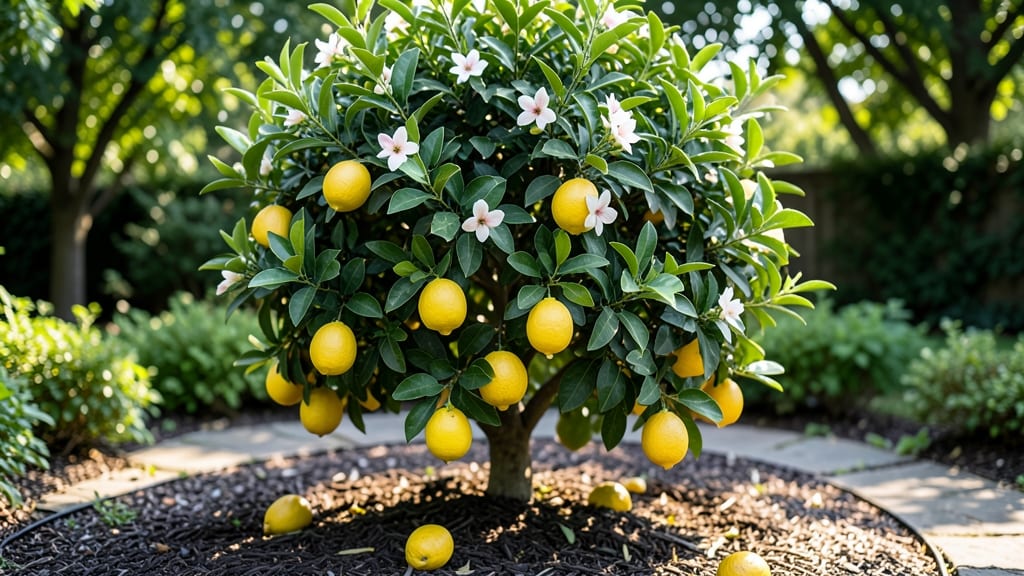
A Meyer lemon tree’s temperature tolerance is the secret to keeping your citrus harvest thriving—even in cooler climates where frost threatens to ruin your 🍋 dreams.
If you love Meyer lemon trees but live in a chilly climate, you’re not out of luck—these citrus darlings are tougher than you think. They can handle dips down to 20°F for short periods, but prolonged cold or sudden freezes will still stress them.
The key is understanding their limits and preparing ahead.
In this guide, I’ll break down the exact temperature ranges your Meyer lemon tree can survive, how to spot cold damage early, and step-by-step ways to protect it—whether you’re in Zone 8 or pushing the boundaries in Zone 7.
You’ll learn how to shield your tree from frost, recover from damage, and even extend its growing season so you can enjoy fresh lemons year after year—no matter where you live.
Meyer lemon tree cold hardiness zones: what you need to know
Meyer lemon trees thrive in USDA hardiness zones 9-11, where winter temperatures rarely drop below 25°F (-4°C). Unlike their conventional lemon counterparts, these hybrid citrus trees show surprising resilience, but they still need protection in colder climates.
Understanding your local zone and seasonal risks is key to growing a productive tree year after year.
Even in zone 8, gardeners can successfully grow Meyer lemons with proper winter care, while those in zones 10-11 enjoy minimal temperature stress. The critical threshold is 20°F (-7°C)—below this, damage becomes likely. Let's break down what each zone means for your tree's survival and fruit production.
📌 Pro Tip: Use the USDA Plant Hardiness Zone Map to pinpoint your exact location. Enter your ZIP code at planthardiness.ars.usda.gov for precise zone details tailored to your microclimate.
| USDA Zone | Min. Winter Temp | Frost Risk | Growth Notes | Fruit Production |
|---|---|---|---|---|
| Zone 8 | 10°F (-12°C) | High (below 20°F) | Needs winter protection | Reduced without care |
| Zone 9 | 20°F (-7°C) | Moderate (light frosts) | Survives with mulch | Good with protection |
| Zone 10 | 30°F (-1°C) | Low (occasional frost) | Thrives with minimal care | Excellent production |
| Zone 11 | 40°F (4°C) | None (tropical) | Ideal conditions | Best possible yield |
In zone 8, your Meyer lemon tree will struggle without winter protection, as temperatures regularly drop below its 20°F tolerance. Gardeners in these areas often grow their trees in containers and move them indoors during winter or use heavy mulching and frost cloths.
The trade-off? Your tree may produce fewer lemons but can still thrive with proper care.
Zones 9-10 offer the sweet spot for Meyer lemon trees, where they experience minimal frost damage. In zone 9, light frosts below 28°F (-2°C) can cause leaf burn, but the tree typically recovers.
Meanwhile, zone 10 gardeners enjoy near-perfect conditions, with only occasional frost to contend with during cold snaps.
For those in zone 11, Meyer lemon trees grow with almost no stress—ideal for coastal California, Hawaii, or Florida's tropical regions. Here, trees produce fruit year-round with minimal effort, though summer heat can become a concern if temperatures exceed 95°F (35°C) for extended periods.
Even in ideal zones, seasonal temperature swings can stress your tree. For example, a sudden drop from 80°F (27°C) to 30°F (-1°C) in zone 10 can cause shock. Monitor your local weather forecasts and prepare protective measures during unpredictable cold fronts.
One common misconception is that all citrus trees struggle in cooler climates. While true for traditional lemons, Meyer lemons hybridize with mandarin oranges, giving them a slight cold tolerance edge. However, they still need consistent moisture and protection from wind, which exacerbates cold damage.
To verify your local climate compatibility, check not just your USDA zone but also your microclimate. A tree in a sunny, sheltered spot may fare better than one in a windy, low-lying area—even in the same zone. Use a minimum thermometer buried near your tree to track overnight lows.
If you're in zone 7 or below, consider growing your Meyer lemon in a large container that you can move indoors during winter. Dwarf varieties like 'Improved Meyer' are perfect for this approach, as they stay under 8 feet tall and produce abundant fruit despite their size.
Remember, the goal isn't just survival—it's optimal fruit production. A well-cared-for Meyer lemon in zone 9 can yield 50-100 lemons per year, while a neglected tree in zone 11 may produce far fewer. Pay attention to your tree's seasonal needs and adjust your care routine accordingly.
Protecting your Meyer lemon tree from cold weather: step-by-step survival guide
Meyer lemon trees thrive in warm climates, but with the right strategies, you can shield them from frost damage and cold snaps.
These citrus trees can tolerate temperatures down to 20°F (-6°C) for short periods, but prolonged exposure to freezing temps will harm leaves, branches, or even the tree itself. The key is preventative care and gradual acclimation to avoid shocking the tree.
Start by monitoring your local weather forecasts and preparing your tree at least 2-3 weeks before the first frost. This gives you time to implement protective measures without stressing the plant.
Whether you're in Zone 8 or pushing the limits in Zone 7, these steps will help your Meyer lemon tree survive winter and bounce back stronger in spring.
⚠️ Critical Temp Warning for Meyer Lemon Trees
Meyer lemons can handle brief dips to 20°F (-6°C), but damage begins at 25°F (-4°C). Below 15°F (-9°C), the tree risks frostbite or death. Acclimate slowly—avoid sudden temp drops by shielding from cold winds and insulating the roots. Young trees are more vulnerable; prioritize their protection.
First, focus on root protection since cold soil stresses the tree more than cold air. Apply a 4-6 inch layer of mulch around the base, using straw, pine needles, or wood chips.
This acts as an insulating blanket, keeping roots 5-10°F warmer than the air temperature. Avoid piling mulch against the trunk—keep it 2-3 inches away to prevent rot.
For added defense, wrap the trunk and branches in burlap or frost cloth once temperatures drop below 30°F (-1°C). Secure it loosely to allow airflow and prevent moisture buildup.
If your tree is potted, move it to a garage or insulated shed during freezes. Ensure the container has drainage holes and wrap it in bubble wrap for extra insulation.
On frost nights, consider temporary row covers or plastic sheeting draped over the tree. Use wooden stakes to create a mini greenhouse effect, trapping warmth. Remove covers by 10 AM to prevent overheating and humidity buildup, which can invite pests.
Pair this with a slow-release fertilizer in early fall to strengthen the tree’s cold resistance before winter.
After the frost threat passes, inspect your tree for damaged leaves or branches. Prune back any blackened or mushy growth with sterilized shears, cutting just above a healthy bud.
Avoid heavy pruning—focus on removing only the dead wood to reduce stress. Water deeply if the ground isn’t frozen, and resume regular care as spring approaches.
With these steps, your Meyer lemon tree can weather the cold and reward you with juicy lemons next season. Consistency is key—don’t skip mulching or monitoring—and your tree will thank you with vibrant growth and abundant fruit come spring. 🌱🍋