
Pruning
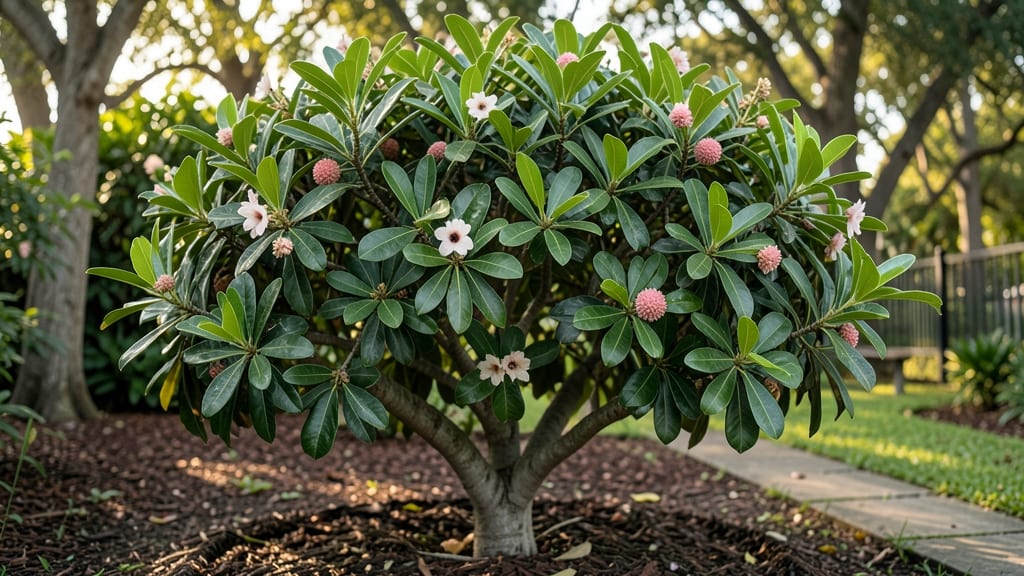
Lychee tree cultivation means sweet rewards for patient gardeners—those first juicy fruits taste like nothing else. 🌿 I learned the hard way that lychees demand warmth, humidity, and just the right soil mix, but once you crack the code, you’re rewarded with year-round harvests in the right climate. The secret isn’t just about planting; it’s about mimicking their tropical home in your garden or containers.
Start with a well-draining soil mix (equal parts sand, peat, and compost) and keep temperatures above 60°F—lychees won’t tolerate frost. Container growers can bring potted trees indoors during winter, while those in warmer zones plant directly in sandy, slightly acidic soil.
Water deeply but avoid soggy roots, and fertilize lightly every 4-6 weeks with a balanced citrus blend once established.
Pruning in late winter shapes the tree while encouraging fruit production, and harvesting begins 2-3 years after planting. The first crop might be small, but each season brings more—imagine pink-skinned, fragrant lychees fresh from your yard.
Patience pays off, but the real magic happens when you taste that first perfectly ripe fruit.
Whether you’re growing in a 15-gallon pot or a backyard plot, lychees thrive with consistent care. The biggest mistake? Overwatering or skipping winter protection. Master these steps, and you’ll be enjoying homemade lychee desserts (or just eating them straight from the tree) in no time.
📚 In This Guide
- What you need
- Instructions
- Tips and common mistakes
- Wrapping up and next steps
What you need
- ● Lychee saplings: 1-2 disease-resistant varieties (e.g., Kwai Mi, Bengal, or Tai So). Choose 2-3 years old for faster fruiting.
- ● Well-draining soil: Mix 60% sandy loam + 30% compost + 10% perlite (pH 5.0–6.5). Test soil moisture retention—lychees hate soggy roots!
- ● Fertilizer: Balanced NPK (10-10-10) at planting (1 lb per tree).
- ● Citrus-specific fertilizer (high in zinc/manganese) during flowering/fruiting (follow label rates).
- ● Pruning tools: Bypass pruners (for clean cuts).
- ● Loppers (for thicker branches).
- ● Sterilizing solution (70% isopropyl alcohol or bleach water).
- ● Mulch: 2–3 inches of wood chips or straw to retain moisture and suppress weeds.
- ● Drip irrigation system (or soaker hoses) with a timer (lychees need 1–1.5 inches of water weekly).
- ● Pest control: Neem oil (organic option for aphids/mites).
- ● Sticky traps for fruit flies.
- ● Pollination aid: A small hand-held vibrator (lychees are self-pollinating but benefit from gentle branch shaking during bloom).
- ● Shade cloth (30–50%) for young trees in hot climates (prevents sunburn).
- ● Soil moisture meter to track watering needs (lychees prefer even moisture).
- ● Tree support: Stakes + ties for young trees in windy areas.
- ● Thinning shears for removing excess fruit (promotes larger, sweeter lychees).
Step-by-step guide to cultivating a lychee tree
Here’s my battle-tested approach to growing a lychee tree—from sapling to fruiting—with tropical precision.
🌱 Step 1: Select and Prepare the Right Sapling
Start with a grafted lychee sapling (not seed-grown) from a reputable nursery, as grafted trees fruit 3-5 years sooner. Look for a 1-2 year old plant with thick, green stems and no signs of pests. Avoid saplings with yellowing leaves or brittle branches—these indicate poor health or disease.
Acclimate your sapling to your climate gradually. If moving from a nursery, place it in a shaded, humid area for 3-5 days before full exposure. Lychees thrive in USDA zones 10-11, but container growing extends their range. Use a well-draining potting mix (50% coconut coir, 30% perlite, 20% compost) to prevent root rot—a common killer.
☀️ Step 2: Position for Optimal Light and Temperature
Lychees demand full sun (6+ hours daily) and warmth (70-90°F)—no compromises. In cooler climates, grow in large containers (15+ gallon) and move them indoors when temperatures dip below 50°F. A greenhouse or sunroom works well, but ensure high humidity (60-70%) with a humidifier or pebble tray.
Watch for leaf curling or browning—this signals stress from heat or light. If leaves scorch, provide afternoon shade during peak summer. In containers, rotate the pot quarter-turn weekly to prevent lopsided growth. You’ll see shiny, dark green leaves when conditions are perfect.
💧 Step 3: Water and Fertilize for Tropical Growth
Water deeply 2-3 times weekly, soaking the root zone until water drains freely. Let the top 2 inches of soil dry between waterings—lychees hate soggy roots. Use lukewarm water to mimic tropical conditions, and avoid wetting leaves to prevent fungal diseases like anthracnose. Mulch with 2 inches of orchid bark to retain moisture and regulate temperature.
Fertilize monthly from spring to fall with a balanced citrus/orchid fertilizer (6-6-6 or 8-3-9). Reduce to every 6 weeks in winter. You’ll notice new growth flushes (pinkish shoots) after feeding—this means the tree is thriving. Over-fertilizing causes leaf burn, so always follow label rates.
✂️ Step 4: Prune for Shape and Fruit Production
Prune lightly in late winter (before new growth) to remove dead, crossing, or weak branches. Use sterilized pruners to make clean cuts at a 45-degree angle, just above a leaf node. Avoid heavy pruning—lychees fruit on older wood, and aggressive cuts reduce yields. Aim for an open canopy to improve air circulation and sunlight penetration.
After flowering, thin excess fruit clusters to 3-5 lychees per branch. Overloaded branches snap under the weight, and small fruit lacks sweetness. Harvest when fruit easily detaches with a slight twist and the skin turns deep red or pink. Ripeness is critical—unripe lychees are bitter, and overripe ones spoil quickly.
🌿 Step 5: Pollinate and Protect for Year-Round Harvests
Lychees are self-pollinating, but hand-pollination boosts yields. On a warm, dry morning, gently shake branches to release pollen or use a soft brush to transfer it between flowers. Flowering peaks in spring, but some varieties produce fall blooms—watch for white, fragrant blossoms as a cue.
Protect your tree from pests (lychee borers, aphids) and diseases (sooty mold, powdery mildew). Spray neem oil weekly during outbreaks and quarantine new plants for 2 weeks. In containers, repot every 2-3 years in spring to refresh soil and roots. With patience, your lychee tree will reward you with sweet, aromatic fruit for decades.
Tips & tricks for growing a thriving lychee tree
Here's what I've learned from years of growing these tropical beauties—simple adjustments that make all the difference.
Sapling Selection: When choosing your grafted lychee sapling, inspect the root flare where the stem meets the roots. It should be slightly swollen and free of dark spots or mushy tissue—this is where root rot often starts. I've seen many beginners overlook this detail, only to have their tree fail within months. Also, ask the nursery about the specific variety's cold hardiness if you're in a marginal zone.
Temperature Management: The 70-90°F range is non-negotiable for optimal growth, but don't panic if your thermometer dips below 50°F temporarily. Lychees can tolerate brief cold snaps if they're well-established in containers. What I've found works best is moving potted trees to a sheltered spot like a garage or basement (not heated) during cold nights, then returning them to sunlight when temperatures rise above 55°F. This mimics their natural tropical environment where they experience seasonal variations.
Pruning Precision: When you're pruning in late winter, focus on creating an open vase shape rather than a dense canopy. The goal is to allow sunlight to penetrate to the inner branches where fruit develops. I've noticed that trees with too much shade in the center often produce smaller, less flavorful fruit. After pruning, give your tools a thorough cleaning with rubbing alcohol to prevent disease transmission between cuts.
Harvesting Cues: The color change from green to deep red or pink is your primary indicator, but don't rely on it alone. The fruit should also have a slightly waxy texture and release easily with a gentle twist. I've learned the hard way that waiting too long for perfect color can lead to overripe fruit that spoils quickly. When in doubt, harvest a few test fruits and taste them—they should be sweet with just a hint of tartness, not overly bitter or mealy.
Pro Tips for Lychee Tree Cultivation
- Here's what I've learned from years of growing these tropical beauties—simple adjustments that make all the difference.
- Sapling Selection: When choosing your grafted lychee sapling, inspect the root flare where the stem meets the roots.
- Temperature Management: The 70-90°F range is non-negotiable for optimal growth, but don't panic if your thermometer dips below 50°F temporarily.
Frequently asked questions
How long does it take for a lychee tree to bear fruit?
A lychee tree typically takes 3 to 5 years to produce its first harvest, depending on climate and care. Young trees focus on root and branch growth before flowering. Patience is key—consistent watering, proper pruning, and a warm, humid environment speed up fruiting.
Can I grow a lychee tree indoors or in a container?
Lychee trees thrive outdoors in tropical/subtropical climates, but you can try container growing in mild zones with large pots (15+ gallons). Place them in full sun, protect from frost, and ensure good drainage. However, indoor growth is challenging—they need high humidity, warm temps (70°F+), and cross-pollination for fruit.
How do I protect my lychee tree from cold weather?
Lychee trees cannot tolerate frost—even light freezes damage leaves and fruit. In colder climates, grow them in containers and move indoors (garage, greenhouse) during winter. If outdoors, use frost cloths, mulch heavily, and avoid overhead watering before cold snaps.
What pests or diseases should I watch for?
Common threats include:
- Scale insects (sap-sucking pests) – Treat with horticultural oil.
- Anthracnose fungus (black spots on fruit) – Prune infected branches and use fungicide.
- Root rot (from overwatering) – Ensure well-draining soil and avoid soggy roots.
What’s the best way to prune a lychee tree for maximum fruit?
Prune during late winter/early spring to:
- Remove dead or crossing branches ().
- Thin out overcrowded growth for airflow.
- Encourage horizontal branches (where fruit forms).
Pro Tip:
Need a quick reference? Bookmark this FAQ or save it to your phone for on-the-go troubleshooting! Whether you’re battling pests, adjusting to climate, or just curious about growth timelines, we’ve got you covered. Happy growing!
Wrapping up and next steps
Cultivating a lychee tree is a rewarding journey that blends patience, care, and a touch of tropical magic. 🌿 With the right pruning techniques, soil conditions, and climate awareness, you can enjoy a bountiful harvest year after year.
Whether you're a beginner or a seasoned gardener, every trimmed branch and nurtured leaf brings you closer to those sweet, fragrant fruits.
Ready to take the next step? Start by observing your tree—note its growth patterns, health, and seasonal changes. Then, plan your pruning schedule and gather your tools. With each season, your lychee tree will thank you with vibrant blooms and delicious rewards! 🍈✨