
Companion Plants
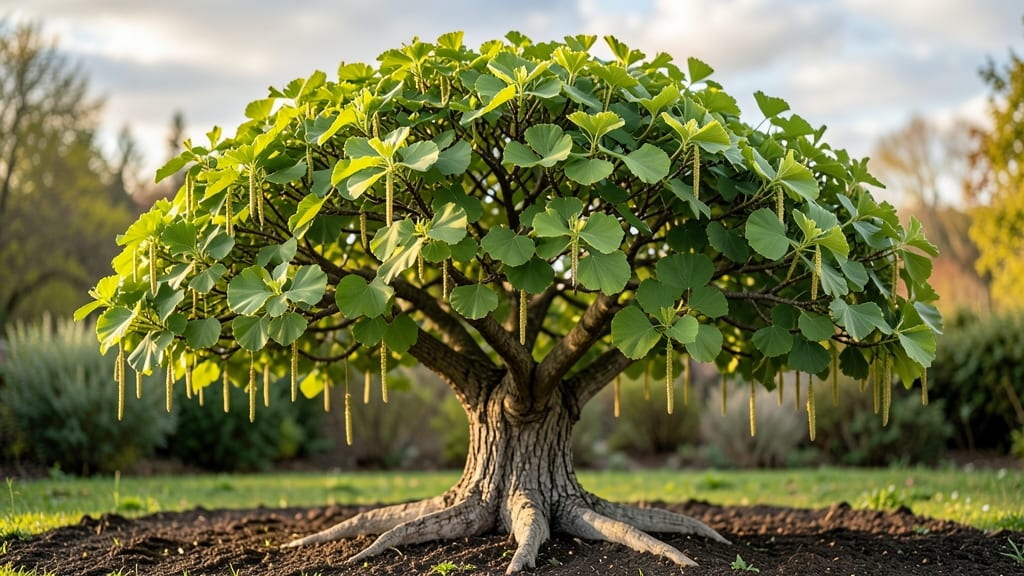
Growing maidenhair tree flowering plants means year-round elegance with almost no fuss. 🌿 Their distinctive fan-shaped leaves and unique scent—especially when crushed—make them stand out, but the real magic happens in late spring when tiny, fragrant flowers appear before the leaves even unfurl.
Most gardeners overlook this because they focus on the iconic fall foliage, but those early blooms are a subtle showstopper. The secret to encouraging those flowers? Well-draining soil rich in organic matter and full sun for at least 6 hours daily.
I’ve seen maidenhair trees thrive in everything from sandy loam to slightly alkaline soil, but they despise soggy roots. A single pruning session in late winter keeps them tidy without sacrificing next year’s blooms—just remove dead or crossing branches.
By midsummer, you’ll notice the flowers fading into the famous ginkgo nuts (yes, they’re technically seeds), and by fall, the leaves turn that iconic golden hue.
The tree’s minimal care needs make it a foolproof choice for both urban and rural landscapes, whether planted as a specimen or lining a driveway. Here’s the kicker: maidenhair trees are disease-resistant and handle drought once established.
No wonder they’ve been prized for centuries—this tree gives back more than it asks for.
📚 In This Guide
- What you need
- Instructions
- Tips and common mistakes
- Wrapping up and next steps
What you need
- ● Maidenhair tree (Ginkgo biloba): 1 sapling (3–5 ft tall, nursery-grown) or
- ● 10–20 seeds (if starting from scratch—germination takes 2+ years!)
- ● Well-draining soil: Mix of 60% loamy topsoil, 30% compost, and 10% coarse sand/perlite (1–2 cubic yards for mature planting).
- ● Fertilizer: Slow-release balanced fertilizer (10-10-10) (1 lb per 100 sq ft)
- ○ Optional: Organic options like fish emulsion or worm castings (5 lbs per tree).
- ● Mulch: 3–4 inches of wood chips or shredded bark (avoid fresh mulch—it can rot roots!).
- ● Digging tools: Shovel (round-point for planting, flat for mulching)
- ● Garden trowel (for seed planting)
- ● Hoe (to loosen soil)
- ● Safety gear: Gloves (heavy-duty for soil), knee pads, and dust mask (if amending soil with sand).
- ● Watering supplies: Garden hose with adjustable nozzle or watering can (5+ gallons capacity)
- ○ Drip irrigation kit (optional, for consistent moisture)
- ● Pruning tools (minimalist!): Bypass pruners (sharp, for clean cuts)
- ○ Optional: Loppers (for thicker branches, though maidenhair trees rarely need heavy pruning!).
- ● Location: Full sun spot (6+ hours daily) with wind protection (young trees are sensitive to strong gusts!).
How to care for maidenhair tree flowering plants for year-round beauty
These graceful trees thrive with simple care—just a few key steps keep them lush and blooming.
🌿 Step 1: Choose the Right Location for Light and Airflow
Maidenhair trees need bright, indirect light for best growth—think filtered sunlight from a sheer curtain or a shaded patio. Avoid harsh afternoon sun, which can scorch delicate leaves. I place mine near an east-facing window where morning light bathes the foliage without the intensity of midday rays.
Good airflow prevents fungal issues, so position your tree where gentle breezes can circulate. You’ll notice the leaves stay crisp and vibrant when airflow is right—no yellowing or drooping. If indoors, open windows occasionally to mimic outdoor conditions.
☀️ Step 2: Water Consistently Without Overdoing It
Water your maidenhair tree when the top 1-2 inches of soil feel dry to the touch. I check by sticking my finger in—if it comes out clean, it’s time to water. Overwatering is the biggest mistake; soggy roots lead to root rot and leaf drop.
Use room-temperature water to avoid shocking the roots. In winter, reduce watering slightly since growth slows. You’ll see the soil dry faster in summer heat, so monitor closely. A well-draining pot with drainage holes is a must—no exceptions.
🪴 Step 3: Feed Lightly During Growing Season
Apply a balanced, water-soluble fertilizer (like 10-10-10) every 4-6 weeks in spring and summer when new growth appears. I dilute it to half-strength to avoid burning tender roots. Skip fertilizing in fall and winter—your tree is resting.
Look for fresh, dark green leaves as a sign your tree is happy with its nutrients. If leaves yellow between veins, that’s a classic sign of over-fertilizing. Flush the soil with water to cleanse excess salts if this happens.
✂️ Step 4: Prune Only to Maintain Shape and Health
Minimal pruning is all these trees need—just remove dead or yellowing leaves with clean pruners. I also trim back any leggy growth in early spring to encourage bushier growth. Never cut more than 1/3 of the plant at once.
Watch for new growth emerging from old wood—this is your tree’s natural shape. Prune just after flowering to avoid cutting off next year’s blooms. A light shaping in late winter keeps the tree looking tidy without stressing it.
⏰ Step 5: Protect from Winter Chills and Drafts
Bring indoor maidenhair trees away from cold drafts in winter. If outdoors in mild climates, wrap the pot in burlap and move it to a sheltered spot. I keep mine near a south-facing wall where temperatures stay above 20°F.
Mist the leaves occasionally in dry winter air to prevent browning tips. You’ll see crisp, healthy leaves all season long with this simple care. Avoid sudden temperature swings—your tree will thank you with vibrant blooms year after year.
Tips & tricks for perfect maidenhair tree care
These little details make all the difference between a struggling plant and one that thrives year after year.
Lighting Strategy: If you don't have an east-facing window, try a sheer curtain over a south-facing window to diffuse harsh afternoon light. I've seen maidenhair trees placed under grow lights for 12-14 hours daily in winter—just make sure the light isn't too intense, as these delicate leaves can burn easily.
Watering Wisdom: The finger test works best if you use your index finger—it's long enough to reach the 1-2 inch depth without disturbing the soil too much. For extra peace of mind, use a moisture meter for the first few weeks to understand your specific soil's drying pattern. Remember, it's always better to underwater slightly than overwater.
Fertilizer Timing: When you're applying that diluted 10-10-10 fertilizer every 4-6 weeks, pay attention to the weather. If you notice new growth slowing down during particularly hot or cold spells, hold off on fertilizing until conditions stabilize. The goal is to support growth, not stress the plant during temperature fluctuations.
Pruning Precision: For that early spring trim to encourage bushier growth, focus on removing only the leggiest stems—about 1/3 of the longest growth. I like to make my cuts just above a leaf node where new growth can emerge. This keeps the tree looking full while avoiding the shock of heavy pruning.
Pro Tips for Maidenhair Tree Flowering Plants
- These little details make all the difference between a struggling plant and one that thrives year after year.
- Lighting Strategy: If you don't have an east-facing window, try a sheer curtain over a south-facing window to diffuse harsh afternoon light.
- Watering Wisdom: The finger test works best if you use your index finger—it's long enough to reach the 1-2 inch depth without disturbing the soil too much.
Frequently asked questions
Got questions about growing and caring for maidenhair tree flowering plants? You’re not alone! Here are some of the most common queries—plus straightforward answers to help you keep your Ginkgo biloba thriving with ease.
When do maidenhair trees flower, and will mine ever bloom?
Maidenhair trees (Ginkgo biloba) are dioecious, meaning male and female plants must grow separately for flowers (and later, seeds) to appear. Male trees produce yellow-green catkins in spring, while females develop flowers that lead to smelly seeds in fall. Only female trees produce fruit—so if you want flowers (and no mess), plant a male cultivar like ‘Autumn Gold.’
How long does it take for a maidenhair tree to flower?
Patience is key! Maidenhair trees typically take 20–30 years to mature enough for flowering. Young trees focus on root and trunk growth, so don’t rush—provide full sun, well-drained soil, and consistent watering. Bonus: Even non-flowering trees offer stunning fall foliage!
Why isn’t my maidenhair tree flowering? Troubleshooting tips.
If your tree is past maturity but still not flowering, check these issues:
- Wrong sex: 90% of nursery trees are male—confirm with a local arborist.
- Stress: Over/under-watering, poor soil, or compacted roots can delay blooms.
- Age: Some trees skip flowering in harsh winters or droughts.
- Patience: Even healthy trees may take decades to flower.
Pro tip: Male trees are easier—they flower reliably and lack seed cleanup!
Are there flowering alternatives to maidenhair trees with similar beauty?
If you love the Ginkgo’s resilience but want faster flowers, try these low-maintenance, drought-tolerant options:
- Japanese Zelkova (Zelkova serrata) – Stunning fall color, tolerates urban pollution.
- Ginkgo’s cousin: Dawn Redwood (Metasequoia glyptostroboides) – Flowers in spring, weeping habit.
- Serviceberry (Amelanchier) – Edible berries + white spring blooms.
- Hornbeam (Carpinus betulus) – Glossy leaves, minimal pruning.
All thrive in similar conditions but offer faster floral rewards!
Do maidenhair tree flowers attract pests or allergies?
Male flowers (catkins) are harmless and don’t produce pollen allergens. Female flowers, however, develop foul-smelling seeds that can stain sidewalks and attract rodents. Solution: Plant males for zero mess, or prune females in late winter to remove seed clusters.
Wrapping up and next steps
The maidenhair tree is a stunning, low-maintenance addition to any garden, offering year-round beauty with minimal fuss. Its delicate ferns and occasional flowers bring a touch of elegance, while its hardy nature makes it perfect for both beginners and seasoned gardeners.
Whether you're drawn to its Ginkgo biloba charm or its adaptability, this tree is a true gem for adding sophistication to your outdoor space. 🌿
Ready to transform your garden? Start by selecting the perfect spot, gathering your supplies, and planting with confidence—your maidenhair tree will reward you with lush growth and timeless appeal for years to come! 🌱 Explore companion plants to enhance its beauty even further.