
Trees
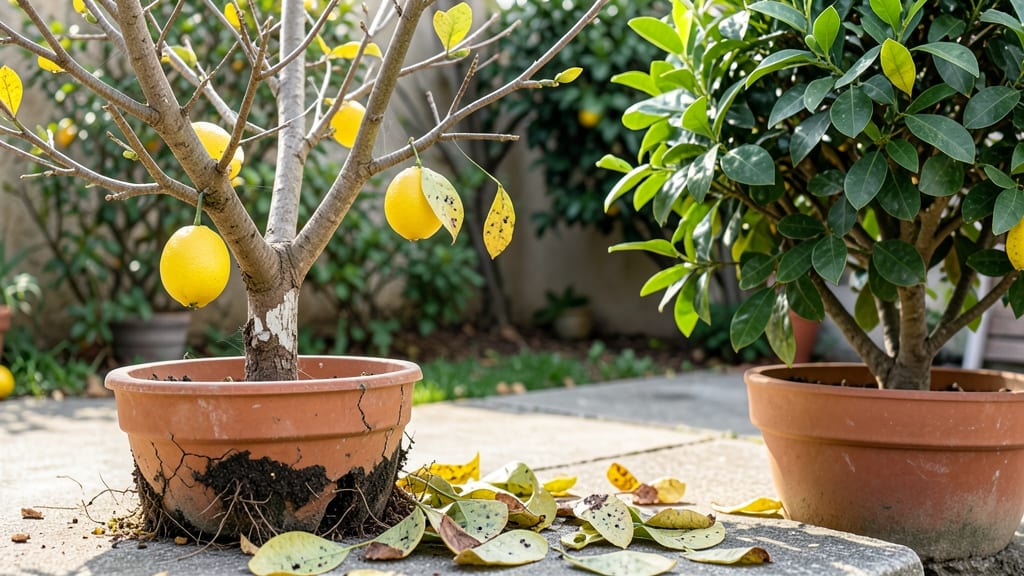
Your Meyer lemon tree lost leaves—and it’s not a death sentence. 🌿 The good news is most cases come down to three simple fixes: light adjustments, watering tweaks, and pest checks. I’ve nursed back three trees this way, including one that looked ready for the compost pile by mid-May.
First, rule out overwatering or drought stress—both cause rapid leaf drop. Stick your finger 2 inches into the soil: if it’s soggy, cut back; if it’s bone-dry, water deeply.
Meyer lemons hate soggy roots but need consistent moisture, especially in pots where soil dries faster. A drip irrigation system or self-watering pot can save you from guesswork.
Next, check for pests like spider mites or scale, which suck leaves dry. Wipe down stems with neem oil (1 tsp per quart of water) or blast off mites with a strong water spray.
Yellowing leaves with sticky residue? That’s aphids—spray with soapy water (1 tbsp mild dish soap per gallon). Most trees bounce back within 2-3 weeks of treatment.
Finally, light matters: Meyer lemons need 6+ hours of sun daily, but afternoon shade helps in hot climates. Move yours to a brighter spot if leaves are sparse or pale.
With these fixes, you’ll see fresh growth in 4-6 weeks—and maybe even lemons by fall. Let’s get that tree thriving again!
Understanding The Root Causes
When your Meyer lemon tree starts shedding leaves, it’s often a cry for help—your tree is reacting to stress from one (or more) of several common triggers. Let’s break down the science behind why this happens, so you can diagnose and fix the issue fast.
Meyer lemon trees thrive in USDA Zones 9-11, meaning they’re sensitive to both freezing cold and scorching heat. Sudden temperature swings—like a hard frost or a heatwave—can shock the tree, causing leaves to drop as a survival mechanism.
- Cold Stress (Below 25°F): Ice crystals form in leaf cells, rupturing them.
The tree sheds leaves to conserve energy and prevent further damage. - Heat Stress (Above 95°F): High temperatures increase water loss (transpiration), and the tree may drop leaves to reduce stress. - Windburn: Strong winds dry out leaves faster, mimicking heat stress.
Actionable Fix: 🌡️ Protect your tree with frost cloths in winter and shade cloth in summer. Mulch the root zone to regulate soil temperature.
Meyer lemon trees hate soggy roots. Overwatering or compacted, poorly draining soil leads to root rot (Phytophthora or Fusarium fungi), cutting off nutrient and water flow to the leaves.
- Signs: Yellowing leaves, mushy stems, or a foul-smelling root ball.
- Why It Happens: Roots suffocate in waterlogged soil, starving the tree of oxygen. Leaves drop as the tree prioritizes survival over foliage.
Actionable Fix: 💧 Check soil moisture—stick your finger 2 inches deep; if damp, wait to water. Ensure pots have drainage holes and use a well-draining potting mix (50% cactus/succulent mix + 50% perlite/pumice).
While overwatering is deadly, chronic underwatering is just as harmful. Meyer lemon trees need consistent moisture, especially in containers where soil dries out fast.
- Signs: Crispy, curled edges on leaves, leaf drop, and a wilted appearance.
- Why It Happens: Cells lose turgor pressure (plasmolysis), and the tree sheds leaves to reduce water loss. Prolonged drought weakens the tree, making it susceptible to pests or disease.
Actionable Fix: 🚰 Water deeply when the top 1-2 inches of soil are dry. Use drip irrigation or a moisture meter for precision. In containers, water every 2-3 days in summer, less in winter.
Sap-sucking pests like spider mites, aphids, and scale insects weaken Meyer lemon trees by draining nutrients. Heavy infestations cause leaf yellowing, curling, and premature drop.
- Spider Mites: Tiny red/yellow pests that spin webs on undersides of leaves. They thrive in dry, hot conditions.
- Aphids: Cluster on new growth, excreting sticky honeydew that attracts sooty mold.
- Scale Insects: Hard, shell-like pests that suck sap, causing leaves to yellow and fall.
Why It Happens: Pests disrupt the tree’s photosynthesis and nutrient transport, forcing it to shed leaves to conserve energy.
Actionable Fix: 🕷️ Inspect leaves weekly (use a magnifying glass). Spray with neem oil (1 tsp per quart of water) or insecticidal soap. For severe cases, use horticultural oil in dormant season.
Meyer lemon trees are heavy feeders and need nitrogen (N), phosphorus (P), potassium (K), iron (Fe), and zinc (Zn) to stay healthy. Deficiencies cause leaf drop, yellowing, or stunted growth.
| Symptom | Likely Deficiency | Quick Fix |
|---|---|---|
| Yellow leaves (new growth) | Nitrogen (N) | Apply balanced fertilizer (10-10-10) |
| Yellow between veins | Iron (Fe) | Use chelated iron supplement |
| Purple stems/leaves | Phosphorus (P) | Add bone meal or rock phosphate |
| Small, curled leaves | Zinc (Zn) | Spray with zinc sulfate solution |
Why It Happens: Poor soil quality, over/under-fertilizing, or pH imbalances (ideal pH: 6.0-7.0) lock out nutrients.
Actionable Fix: 🌿 Test soil (DIY kits available) and amend with compost or citrus-specific fertilizer (high in N, low in salt). Avoid synthetic fertilizers in winter—lemon trees rest then.
Moving a Meyer lemon tree—even to a slightly larger pot—can cause root trauma, leading to leaf drop as the tree recovers.
- Why It Happens: Roots are delicate; pruning them during repotting disrupts water/nutrient uptake. The tree sheds leaves to reduce metabolic demand while roots heal.
- Signs: Wilting, slow growth, or sudden leaf drop 2-4 weeks post-move.
Actionable Fix: 🛠️ Repot carefully—prune only 10-20% of roots and use fresh, well-draining soil. Water thoroughly after transplanting and avoid fertilizing for 4-6 weeks.
Pathogens like **citrus greening (HLB), root rot (Phytophthora), or leaf spot (Alternaria) can cause premature leaf drop.
- Citrus Greening (HLB): Spread by Asian citrus psyllids; causes yellowing, leaf drop, and stunted growth.
- Leaf Spot: Fungal infections (common in humid climates) create dark spots that expand, killing leaf tissue.
- Root Rot: Waterlogged soil invites fungi/bacteria that strangle roots, cutting off leaf support.
Why It Happens: Poor sanitation, overhead watering, or stressed trees (from other issues above) become vulnerable.
Actionable Fix: 🏥 Prevent with copper fungicide (for leaf spot) or neem oil (for fungal growth). Remove infected leaves and sterilize pruners with rubbing alcohol. For HLB, no cure exists—quarantine infected trees immediately.
Beyond pests and weather, pollution, salinity, or competition can trigger leaf drop.
- Salt Buildup: From tap water, fertilizers, or poor-quality soil, salts accumulate in the root zone, burning roots and causing leaf scorch.
- Air Pollution: Urban trees exposed to ozone or sulfur dioxide develop brown leaf tips and premature drop.
- Root Competition: Nearby weeds or aggressive plants steal water/nutrients, stressing your lemon tree.
Actionable Fix: 🚿 Flush soil with distilled water monthly to reduce salt buildup. Mulch heavily to block weeds and move potted trees away from pollution sources (like busy roads).
Not all leaf drop is bad!
Meyer lemon trees naturally shed 10-15% of leaves annually (especially in winter or before flowering). Red flags include: ✅ Sudden, heavy drop (more than 30% of leaves in weeks) ✅ Yellowing or wilting before falling ✅ Sticky residue (honeydew) or webs (pests) ✅ Mushy stems or foul-smelling roots (rot)
If you see these, act fast—your tree may be in distress.**
Reviving Your Meyer Lemon Tree
If your Meyer lemon tree is shedding leaves, don’t panic—most causes have simple fixes! Below are targeted solutions based on the most common reasons, from overwatering to pests, along with prevention tips to keep your tree thriving.
Follow these steps to nurse your citrus back to health and prevent future stress.
Signs: Yellowing leaves, mushy stems, or roots, and soil that stays soggy for days.
How to Fix It: 🔥 Stop Watering Immediately – Let the top 2–3 inches of soil dry out completely before watering again. 🍳 Check Your Pot’s Drainage – If your tree is in a container, ensure it has drainage holes. If not, repot it into one ASAP. 👨🍳 Repot if Necessary – If roots are rotting (black, mushy), trim the damaged roots with sterilized scissors and repot in fresh, well-draining cactus/succulent mix. 🥘 Adjust Your Watering Schedule – Water deeply but infrequently (every 1–2 weeks, depending on climate). Stick your finger in the soil—if it’s dry up to your second knuckle, it’s time to water. ⏰ Mulch for Moisture Control – Add a 1-inch layer of gravel or perlite around the base (but not touching the trunk) to improve airflow and prevent compaction.
💡 Prevention Tip: Use a moisture meter to avoid guesswork, and never let your tree sit in saucers of water.
Signs: Crispy, brown edges on leaves, wilting, or leaves curling upward.
How to Fix It: 🔥 Give It a Deep Watering – Soak the soil until water drains from the bottom, then wait until the top 1–2 inches are dry before watering again. 🍳 Move to Partial Shade – If temperatures exceed 90°F (32°C), relocate your tree to a spot with morning sun and afternoon shade to prevent scorching. 👨🍳 Mist the Leaves – Lightly mist foliage in the early morning or late evening to boost humidity (avoid wetting leaves in direct sun). 🥘 Use Mulch – Cover the soil with straw or bark mulch to retain moisture and regulate temperature. ⏰ Water at the Right Time – Water early in the day (before 10 AM) to reduce evaporation.
💡 Prevention Tip: Group potted trees together to create a microclimate that retains moisture.
Signs: Holes in leaves, sticky residue (aphids), white webbing (spider mites), or black spots (fungus).
How to Fix It: 🔥 Isolate the Tree – Move it away from other plants to prevent spreading. 🍳 Spray with Neem Oil – Mix 1 tsp neem oil + 1 tsp mild soap + 1 quart water, and spray every 5–7 days until pests vanish. 👨🍳 Wipe Down Leaves – Use a soft cloth dipped in soapy water to remove aphids or spider mites manually. 🥘 Prune Damaged Foliage – Cut off yellow, spotted, or chewed leaves with sterilized pruners and dispose of them in a sealed bag. ⏰ Improve Airflow – Thin out crowded branches to reduce humidity and prevent fungal growth.
💡 Prevention Tip: Inspect new plants before bringing them home, and rotate pots occasionally to discourage pests.
Signs: Dark, shriveled leaves, leaf drop after sudden temperature drops, or brown patches.
How to Fix It: 🔥 Move Indoors (Temporarily) – If frost is forecasted, bring your tree inside near a sunny window (avoid drafts from AC vents or doors). 🍳 Use a Heat Lamp (For Extreme Cold) – If temps drop below 40°F (4°C), place a low-wattage heat lamp 1–2 feet away (keep it on a timer). 👨🍳 Protect Outdoor Trees – Cover with a frost cloth or blanket if your tree is planted in the ground. 🥘 Avoid Sudden Changes – If moving your tree, acclimate it gradually over 3–5 days to prevent shock.
💡 Prevention Tip: Keep potted trees away from windows at night (glass radiates cold).
Signs: Pale yellow leaves (nitrogen deficiency), stunted growth, or leaves falling soon after repotting.
How to Fix It: 🔥 Fertilize Gently – Use a balanced citrus fertilizer (6-6-6 or 10-10-10) diluted to half-strength, applied every 4–6 weeks in spring/summer. 🍳 Repot if Roots Are Bound – If roots circle the pot, repot into a slightly larger container with fresh soil. 👨🍳 Add Organic Matter – Mix compost or worm castings into the soil to boost nutrients naturally. ⏰ Avoid Over-Fertilizing – Too much fertilizer burns roots—always water before and after applying.
💡 Prevention Tip: Flush the soil every 3 months with water to prevent salt buildup from fertilizers.
- Trim Dead Leaves – Encourages new growth and reduces stress.
- Check Light Levels – Meyer lemons need 6–8 hours of sunlight daily; adjust placement if leaves are sparse.
- Be Patient – New leaves may take 4–8 weeks to regrow, depending on the cause.
With these fixes, your Meyer lemon tree should bounce back within a few weeks—and with a little prevention, it’ll stay lush and productive for years! 🍋✨
Frequently asked questions
Why are my Meyer lemon tree leaves turning yellow before falling?
Yellowing leaves before dropping usually signal nutrient deficiencies (like nitrogen or iron) or overwatering. Check the soil moisture—if it's soggy, reduce watering. For yellowing between veins, try a chelated iron supplement (mix 1 tsp per gallon of water). If new leaves are pale, use a balanced citrus fertilizer (10-10-10) every 6 weeks in growing season.
How long does it take for a Meyer lemon tree to regrow leaves after stress?
With proper care, you'll typically see new growth in 4-8 weeks. Focus on fixing the root cause first (water, light, or pests), then maintain consistent moisture and 6+ hours of sunlight daily. Avoid fertilizing until new leaves appear—stressed trees need to recover before extra nutrients.
Can I save my Meyer lemon tree if it's lost most of its leaves?
Yes! Even if your tree looks bare, the roots are likely still alive. Focus on watering deeply but infrequently (every 1-2 weeks) and providing bright, indirect light. Avoid fertilizing for 4-6 weeks to reduce stress. Most trees bounce back within 2-3 months with proper care—just be patient.
Is it normal for Meyer lemon trees to lose leaves in winter?
Yes, they naturally shed 10-15% of leaves in winter as part of their dormant phase. However, if you see more than 30% of leaves dropping or they're wilting, check for drafts, cold stress (below 40°F), or underwatering. Keep potted trees away from cold windows and water every 3-4 weeks during winter.
What's the best way to check if my Meyer lemon tree has root rot?
Gently remove the tree from its pot and examine the roots. Healthy roots are white or light tan, while rotted roots are black, mushy, and smelly. If you see rot, trim the affected areas with sterilized scissors and repot in fresh, well-draining soil (50% cactus mix + 50% perlite). Water lightly until new growth appears.