
Pruning
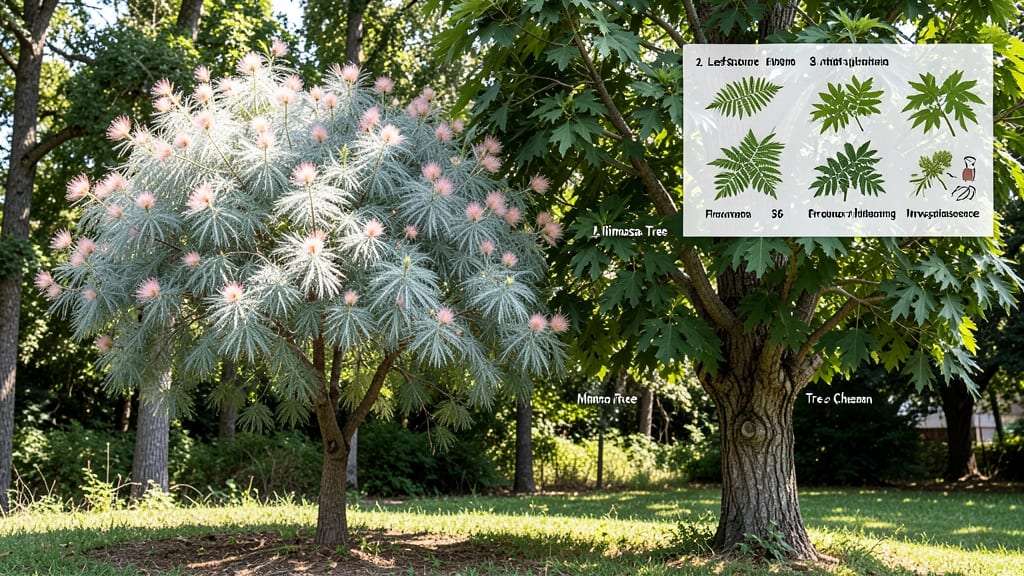
Choosing between a mimosa tree and a tree of heaven means picking between a fragrant showstopper and a fast-growing weed. 🌿 Both grow quickly, but one will take over your yard while the other just needs a little pruning love to stay in check.
I’ve battled both in my own landscape, and the differences matter—especially if you want a tree that actually enhances your space. The mimosa (Albizia julibrissin) grows 30-40 feet tall with feathery leaves and pink, puffball flowers that smell like cotton candy.
It thrives in zones 6-9, handles drought once established, and rarely gets pests. But those flowers? They’re messy—petals everywhere. The tree of heaven (Ailanthus altissima), on the other hand, grows 50-75 feet tall and spreads aggressively with compound leaves and clusters of small green flowers.
It’s zone 3-9 hardy but spreads like wildfire, earning it the nickname "the tree that won’t die." Here’s the kicker: the mimosa needs regular pruning to control its shape and remove dead branches, while the tree of heaven? It’s basically maintenance-free—until it chokes out everything else.
The mimosa’s fragrant blooms and delicate appearance make it a star in parks, but the tree of heaven’s invasive roots and weak wood make it a liability for home gardens. If you want fast growth with beauty and manageability, the mimosa wins.
But if you’re okay with a tough, hard-to-kill tree that doesn’t need much care, the tree of heaven might be your pick—just don’t plant it near your foundation or other trees. Either way, pruning makes all the difference in keeping them where you want them.
The first product explained
Meet the Mimosa Tree—a stunning, fast-growing ornamental tree that’s perfect for adding vibrant color and texture to your landscape! 🌿 Known scientifically as Albizia julibrissin, this beauty is celebrated for its delicate, fern-like foliage and clusters of pink, puffball-like flowers that bloom in late spring or summer.
Whether you're a homeowner looking to enhance your yard or a gardener seeking a low-maintenance yet eye-catching addition, the Mimosa Tree delivers.
📏 Key Specifications
- Height: 20–30 feet (can reach up to 40 feet in ideal conditions)
- Spread: 20–30 feet (round canopy)
- Growth Rate: Fast (1–2 feet per year)
- Sunlight Needs: Full sun to partial shade
- Soil Type: Adaptable (tolerates clay, loam, or sandy soil)
- Hardiness Zones: 6–9 (USDA)
✨ Standout Features
The Mimosa Tree isn’t just pretty—it’s packed with practical and aesthetic perks:
- Drought-tolerant once established, making it a great choice for water-conscious gardeners.
- Deciduous with stunning fall foliage that turns golden-yellow.
- Attracts pollinators like bees and butterflies, supporting local ecosystems.
- Low-maintenance—minimal pruning required to shape its natural, airy form.
- Fast-growing, providing quick shade and visual impact.
🎯 Target Users
This tree is ideal for:
- Homeowners in warm to temperate climates seeking a privacy screen or focal point.
- Landscapers and gardeners who want a low-maintenance, high-impact tree.
- Urban planners looking to add greenery to parks or streetscapes.
- Nature lovers who enjoy supporting pollinators and wildlife.
💰 Price Point
Pricing varies based on size and supplier, but you can expect to invest:
- Small (1–3 gallons): $50–$150
- Medium (7–15 gallons): $200–$400
- Large (25+ gallons or balled & burlapped): $500–$1,000+
Pro tip: 💡 Check local nurseries or online retailers for seasonal sales—Mimosa Trees are often discounted in early spring or fall!
The second product explained
If the Mimosa Tree is the showstopper with its delicate blooms, the Tree of Heaven (Ailanthus altissima) is the hardy, fast-growing powerhouse that thrives in urban jungles and neglected corners. 🌿⚡ Known for its aggressive growth and resilience, this tree is a favorite for quick shade, erosion control, and even as a windbreak—but it comes with a few quirks (and controversies).
Here’s the lowdown on why this tree might be the right (or wrong) pick for your yard.
🌱 Key Specs & Features
- Growth Rate: Blazing fast! Expect 3–5 feet per year, making it one of the quickest-growing trees in North America. In ideal conditions, it can shoot up 10+ feet in a single season—perfect for instant privacy or filling bare spots.
- Mature Size: Typically 40–60 feet tall (though some reach 80+ feet) with a sprawling, irregular canopy. Its roots are invasive, spreading aggressively via underground runners.
- Foliage: Compound leaves with 11–41 leaflets, turning a golden-yellow in fall (though not as vibrant as mimosa). The scent? Pungent—some love it, others find it overwhelming (think licorice or burnt sugar).
- Flowers & Fruit: Produces small, greenish flowers in summer, followed by winged seed pods that spread prolifically. Warning: These pods are not ornamental and can become a nuisance.
- Hardiness: Thrives in USDA Zones 3–9, tolerating poor soil, drought, and urban pollution. It’s practically indestructible.
- Lifespan: Can live 50–100+ years, though its aggressive nature often leads to removal before then.
🎯 Who’s It For?
The Tree of Heaven is a divide-and-conquer tree—loved by some, despised by others. Here’s who might adore it:
- Urban Gardeners & Eco-Warriors: Ideal for quick greening in cities or areas with contaminated soil. It’s phytoremediation champion, absorbing pollutants like a champ.
- Wildlife (Sometimes): While not a top bird feeder, its seeds attract sparrows and pigeons—though its scent may deter others.
- Low-Maintenance Lovers: If you hate pruning, this tree grows so fast you’ll need shears just to keep up (more on that below!).
- Erosion Control: Its deep, extensive root system stabilizes slopes and prevents soil erosion better than many natives.
But proceed with caution if you:
- Have allergies (its pollen and scent can trigger reactions).
- Want a neat, manicured look (this tree is wild).
- Live in areas where it’s considered invasive (e.g., parts of the Midwest and Northeast).
💰 Price Point & Availability
Thanks to its popularity (and invasiveness), the Tree of Heaven is inexpensive and widely available:
- Cost: $20–$50 for a 5–15 gallon container at nurseries or online (e.g., Fast-Growing-Trees.com, Home Depot). Larger specimens can cost $100+.
- Best Places to Buy:
- Local native plant nurseries (if legal in your area).
- Big-box stores (often sold as "fast-growing shade trees").
- Online retailers (check reviews for invasive warnings!).
- Pro Tip: 💡 If you’re planting for erosion control, buy multiple trees to create a dense barrier—just be prepared for the cleanup battle later!
⚠️ The Dark Side: Pruning & Maintenance
Here’s where things get tricky. The Tree of Heaven’s aggressive growth means:
- Pruning is a must—or it will take over. Trim back 1/3 of new growth annually to control size and shape.
- Root barriers are highly recommended if you don’t want it spreading into sidewalks or neighbors’ yards.
- Seed pod cleanup is a yearly chore. These pods explode when dry, launching seeds everywhere.
- Allergic reactions may require gloves and long sleeves during pruning.
Verdict: If you’re up for the wild, unruly charm and don’t mind the upkeep, this tree delivers speed, shade, and resilience like no other. But if you prefer low-fuss elegance, the mimosa might be your better bet.
Head-to-head comparison
Deciding between a Mimosa tree and a Tree of Heaven for your yard or landscape? Both are fast-growing, but they have distinct traits that can make one a better fit than the other depending on your goals.
Below, we break down their key differences in a side-by-side comparison to help you make an informed choice. 🌳✨
🌱 Growth Rate & Size
If speed is your priority, both trees are winners—but for different reasons.
- Mimosa Tree (Albizia julibrissin): Grows rapidly in its early years, adding 3-6 feet per year under ideal conditions. Mature height typically ranges between 20-30 feet, with a spread of 15-25 feet. It’s a medium-sized tree with a rounded, airy canopy due to its feathery foliage.
- Tree of Heaven (Ailanthus altissima): Known as the "fastest-growing tree in the world", it can shoot up 3-5 feet per year or even more in perfect conditions. However, it tends to grow taller and straighter, reaching 40-75 feet at maturity, with a spread of 30-50 feet. Its aggressive growth can quickly fill large spaces—but may also outgrow smaller yards.
Winner for speed: Tree of Heaven 🚀 (but Mimosa catches up in aesthetics and manageability).
🌿 Foliage & Appearance
Visual appeal is where the Mimosa truly shines—while the Tree of Heaven leans more toward functional over fancy.
- Mimosa Tree:
- Delicate, fuzzy pink or purple flower clusters (resembling cotton candy) in spring/summer.
- Feathery, compound leaves that turn golden-yellow in fall before dropping.
- Light, airy branches create a romantic, almost tropical vibe.
- Tree of Heaven:
- Small, insignificant green flowers that don’t add much curb appeal.
- Dark green, glossy leaves that stay on the tree until late fall (but lack seasonal color drama).
- Branches are dense and upright, giving it a more utilitarian look.
Winner for beauty: Mimosa Tree 🌸 (a clear win for ornamental value).
🌡️ Climate & Hardiness
Both trees are adaptable, but their preferences differ slightly.
| Factor | Mimosa Tree | Tree of Heaven |
|---|---|---|
| USDA Hardiness Zones | 6-9 (prefers mild winters; sensitive to frost) | 3-9 (extremely cold-hardy; tolerates harsh winters) |
| Soil Tolerance | Prefers well-draining, slightly acidic soil; struggles in heavy clay or waterlogged areas. | Adaptable to almost any soil, including poor, rocky, or contaminated soils. |
| Drought Tolerance | Moderate; needs regular watering once established. | Highly drought-tolerant once mature. |
| Heat Tolerance | Handles heat well but may leaf out early in warm climates. | Thrives in heat and urban environments. |
Winner for adaptability: Tree of Heaven 🌍 (survives almost anywhere).
🐛 Pests & Diseases
Here’s where the Tree of Heaven gets a bad rap—but the Mimosa isn’t entirely pest-free either.
- Mimosa Tree Vulnerabilities:
- Susceptible to aphids, spider mites, and scale insects (especially in dry conditions).
- Can suffer from powdery mildew or leaf spot in humid climates.
- Root-knot nematodes may attack in poor soil.
- Tree of Heaven Vulnerabilities:
- Considered an invasive species in many regions (aggressive spread via seeds and roots).
- Attracts spotted lanternflies (a major pest in the U.S.).
- Susceptible to anthracnose and canker diseases.
Winner for pest resistance: Neither—but Mimosa is slightly less problematic in controlled settings. 🚨 Pro Tip: Avoid Tree of Heaven if invasiveness is a concern in your area!
💰 Cost & Maintenance
Budget and upkeep can swing the decision—especially if you’re not keen on pruning.
| Factor | Mimosa Tree | Tree of Heaven |
|---|---|---|
| Initial Cost (Tree) | $50–$150 (small sapling) | $30–$100 (often cheaper due to invasiveness) |
| Pruning Frequency | Moderate: Needs pruning to shape its airy branches and remove dead wood. Flowers may drop messily. | High: Requires regular pruning to control aggressive growth and prevent seed spread. |
| Longevity | Lives 20–30 years with proper care. | Can live 50–100+ years but often removed due to invasiveness. |
| Mess Factor | Drops flowers and seed pods (can be messy in fall). | Drops seeds aggressively (major cleanup effort). |
Winner for low-maintenance: Mimosa Tree 💸 (but Tree of Heaven is cheaper upfront).
🌳 Best Uses & Landscaping Potential
Where each tree excels
Which one should you choose?
So, which tree wins in the Mimosa Tree vs. Tree of Heaven showdown? The answer depends on your priorities—whether you’re dreaming of a fragrant, low-maintenance shade tree or a fast-growing, hardy option for erosion control. Let’s break it down by scenario so you can make the best choice for your space! 🌳✨
🌿 Pick the Mimosa Tree If...
- You love fragrance: The sweet, floral scent of mimosa blossoms in spring is unbeatable—perfect for garden lovers who enjoy sensory delights.
- You want a manageable size: Mimosa trees stay compact (20-30 ft tall), making them ideal for smaller yards or urban landscapes.
- You prioritize beauty over speed: While slower-growing, its stunning blooms and delicate foliage make it a showstopper.
- You’re okay with seasonal interest: Mimosa’s peak appeal is spring, but its airy branches add charm year-round.
🌱 Pick the Tree of Heaven If...
- You need speed and resilience: This tree grows like a rocket (3-5 ft/year!) and thrives in poor soil or harsh conditions—ideal for quick shade or erosion control.
- You’re in a tough climate: Drought-tolerant and pest-resistant, it’s a survivor in urban or neglected areas.
- You don’t mind maintenance: Pruning is key to control its aggressive growth and messy seed pods.
- You’re okay with trade-offs: Less fragrant, but its fast growth and hardiness make it a practical choice.
⚠️ Avoid Both If...
- You’re allergic to any tree pollen—both can trigger reactions (mimosa is especially notorious!).
- You’re in a region with invasive concerns—Tree of Heaven spreads aggressively and can outcompete natives.
- You want a low-maintenance tree without pruning—neither is a "plant and forget" option.
Pro Tip: 💡 If you’re torn, consider a hybrid approach! Plant a mimosa for fragrance and curb appeal, then use the Tree of Heaven as a windbreak or privacy screen in a less visible area. That way, you get the best of both worlds!
Final Verdict: For aesthetic charm and sensory joy, the Mimosa Tree takes the crown. For speed, durability, and practicality, the Tree of Heaven steals the show. Choose based on your landscape goals—and don’t forget to prune! 🌟