
Pruning
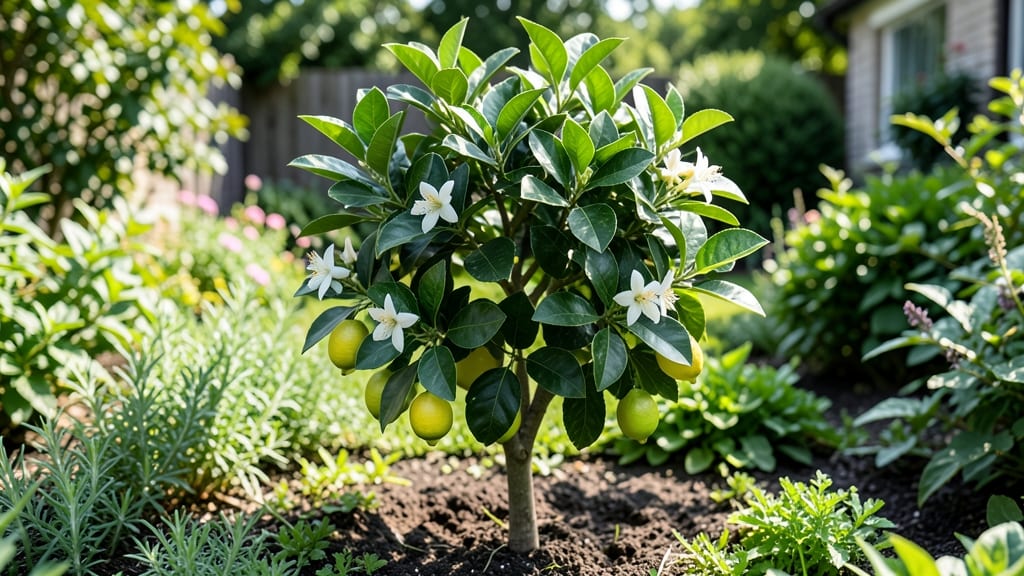
Cultivating a miniature lemon tree indoors thrives with bright indirect sunlight for 6-8 hours daily, maintaining 50-60% humidity, and regular pruning to shape growth and boost fruit production. Well-draining soil and monthly fertilization during growing seasons are essential.
Indoor lemon trees need specific light conditions—too little causes leggy growth, while too much direct sun scalds leaves. 🌿 The key is replicating natural dappled sunlight, which you can achieve by placing your tree near an east-facing window or supplementing with a full-spectrum grow light.
Humidity is equally critical; dry air triggers leaf drop, so misting leaves or using a pebble tray with water helps maintain ideal moisture levels. Pruning isn't just about aesthetics—it stimulates new growth and directs energy toward fruiting by removing crowded branches and dead wood.
For best results, I recommend pruning right after harvest or during late winter dormancy. Use clean, sharp pruners to make angled cuts just above leaf nodes, which encourages bushier growth. Sterilizing tools with rubbing alcohol prevents disease spread.
The goal is to create an open canopy that allows air circulation, reducing humidity-related issues like powdery mildew. Fertilizing with a balanced citrus formula every 4-6 weeks in spring and summer gives your tree the nutrients it needs to produce those coveted lemons year-round.
💡 In This Article
- Optimal Light and Humidity Conditions for Indoor Lemon Trees
- Step-by-Step Pruning Guide for Fruitful Mini Lemon Trees
Optimal light and humidity conditions for indoor lemon trees
Sunlight spectrum plays a critical role in your lemon tree's health—specifically, the balance of blue and red wavelengths. Blue light (400-500nm) promotes leafy growth, while red light (600-700nm) triggers flowering and fruiting.
Indoor lemon trees need 6-8 hours of bright, indirect light daily, mimicking the dappled shade they'd receive under outdoor citrus trees. Without enough blue light, leaves turn pale yellow, while insufficient red light results in sparse blooms. 🌿
Natural sunlight works best near east or south-facing windows, but if your space lacks adequate light, supplement with a full-spectrum LED grow light placed 6-12 inches above the tree for 12-14 hours daily. These lights replicate the sun's spectrum without producing heat.
For reference, a standard 60W incandescent bulb provides only about 10% of the light intensity needed, while a quality LED grow light delivers 2-3 times more at a fraction of the energy cost.
Humidity levels between 50-60% prevent leaf drop and maintain vibrant foliage. Dry indoor air—common in homes with central heating—causes leaf edges to brown and curl. Combat this by placing your tree on a humidity tray filled with pebbles and water, or use a small humidifier nearby.
Misting leaves daily also helps, but avoid getting water on flowers or fruit, as this can promote fungal diseases. 💧
Watch for these signs of environmental stress: Yellowing leaves often indicate too much direct sun (leaf scorch), while dark green, sparse leaves suggest insufficient light. Leaf drop typically signals low humidity or sudden temperature changes.
Lemon trees thrive at 65-75°F during the day and 55-65°F at night—keep them away from drafts or heating vents, which can cause shock.
For maximum fruit production, maintain consistent conditions year-round. Even in winter, when natural light decreases, supplement with grow lights to prevent dormancy. The key is creating an environment that mimics the Mediterranean climate these trees evolved in—bright, humid, and stable. 🌱
Pro tip: Rotate your tree quarter-turn weekly to ensure even light exposure, preventing lopsided growth. This simple habit encourages balanced development and helps your tree maintain its compact, ornamental shape.