
Pruning
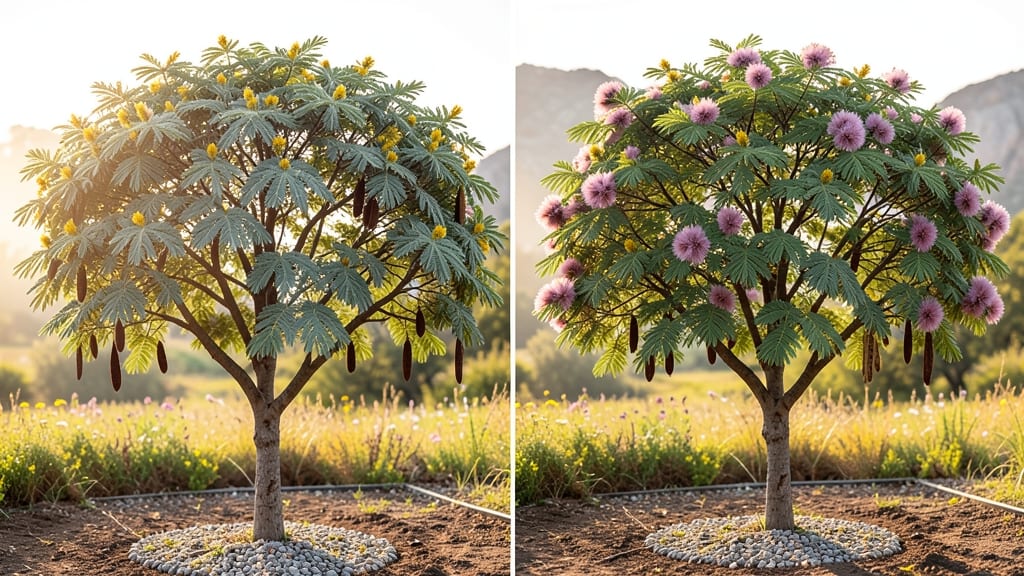
Deciding between a monkeypod tree and mimosa comes down to growth habits and pruning needs—both thrive but demand different approaches. 🌿 The monkeypod’s feathery foliage and drought resistance make it a low-maintenance desert star, while mimosa’s delicate pink blooms and fast growth suit humid climates better.
I’ve pruned both for years, and the differences in timing and technique will change how you shape your yard.
Monkeypod trees grow 12–25 feet tall with a sprawling, multi-trunk habit, while mimosa typically reaches 20–30 feet with a single, upright trunk. The monkeypod’s yellow flowers and thorny branches demand late-winter pruning to encourage spring blooms, while mimosa’s pink, pom-pom flowers benefit from summer shaping to maintain its airy form.
Both hate heavy pruning—monkeypod resents aggressive cuts, and mimosa can get leggy if neglected.
For healthy growth, monkeypod thrives in full sun and well-draining soil, while mimosa tolerates partial shade and richer soils. Mimosa’s fast growth (up to 3 feet per year) means more frequent pruning, but its drought sensitivity makes it less forgiving than monkeypod.
If you want low-water, high-impact trees, the monkeypod wins; if you love colorful blooms and don’t mind extra care, mimosa steals the show.
Both face challenges: monkeypod’s thorns deter pests but can be hazardous, while mimosa’s invasive roots may spread beyond your yard. Prune mimosa after flowering to avoid cutting off next year’s blooms, and never remove more than 25% of monkeypod’s branches at once.
Your choice depends on whether you prioritize effortless resilience or showy seasonal displays.
The first product explained
Meet the Fiskars X27 Ergo Pruners—your ultimate ally in the battle for lush, thriving Monkeypod and Mimosa trees! 🌿✨ These premium pruning shears are designed to make your gardening tasks easier, safer, and more efficient, whether you're trimming back overgrown branches or shaping your trees for optimal growth.
Let’s dive into why these pruners are a must-have for any serious (or even casual!) gardener.
📏 Specs & Features
Don’t let the sleek design fool you—these pruners pack a punch with their high-quality stainless steel blades, ensuring clean cuts that heal faster and reduce stress on your trees. Here’s what makes them stand out:
- Ergonomic Handle: Soft-grip, cushioned handles reduce hand fatigue, so you can prune for longer without discomfort. Perfect for those who spend hours tending to their garden! 🙌
- Bypass Action: The sharp, scissor-like blades create precise cuts, minimizing damage to branches—ideal for delicate trees like the Mimosa.
- Locking Safety Feature: Keeps the blades securely closed when not in use, preventing accidental cuts or injuries.
- Adjustable Blade Length: Accommodates branches up to 2.25 inches in diameter, covering everything from fine trimming to heavier cuts on Monkeypod branches.
- Durable Construction: Built to last with a lifetime warranty, so you can trust these pruners for years of use.
🎯 Target Users
Whether you're a seasoned horticulturist, a backyard gardener, or a beginner eager to learn, the Fiskars X27 Ergo Pruners are tailored for you. They’re especially great for:
- Homeowners maintaining their Monkeypod or Mimosa trees for health and aesthetics.
- Landscapers and gardeners who need reliable, high-performance tools for professional results.
- Eco-conscious gardeners who prioritize tools that promote plant health with minimal damage.
💰 Price Point & Value
Priced at $49.95, these pruners offer exceptional value for their quality and versatility. While they’re an investment upfront, the durability, ergonomic comfort, and precision they provide make them a cost-effective choice in the long run.
Plus, the lifetime warranty means you’re covered if anything goes wrong—because let’s face it, nothing ruins a gardening day like a faulty tool! 😅
Pro Tip: 💡 Pair these pruners with a pair of sharp bypass pruning shears for even finer cuts on smaller branches, and always sterilize your tools with rubbing alcohol between uses to prevent the spread of disease.
The second product explained
Meet the Mimosa Tree (Albizia julibrissin) 🌿✨—the delicate, feathery beauty that’s stealing hearts (and gardens!) with its stunning pink blooms and airy foliage. If you’re looking for a low-maintenance yet show-stopping tree that thrives in heat and drought, the Mimosa could be your perfect match. Let’s dive into why this tree is a pruning enthusiast’s dream!
🌱 Key Specs & Features
- Height: 20–30 feet (can reach 40+ feet in ideal conditions)
- Spread: 20–30 feet (broad, rounded canopy)
- Growth Rate: Fast-growing (1–2 feet per year)
- Sunlight Needs: Full sun (6+ hours daily)
- Soil Type: Adaptable (tolerates clay, sand, or loam)
- Drought Tolerance: High (once established)
- Bloom Time: Late spring to early summer (famous for its pink, pom-pom flowers)
- Foliage: Fern-like, compound leaves that turn golden-yellow in fall
🎯 Who’s It For?
The Mimosa is a versatile tree that appeals to a wide range of gardeners and landscapes:
- Urban & Suburban Homes: Perfect for large yards, parks, or as a shade tree for patios.
- Drought-Prone Areas: Thrives in hot, dry climates with minimal water once rooted.
- Pollinator Lovers: Attracts bees, butterflies, and birds with its nectar-rich flowers.
- Low-Maintenance Gardeners: Resistant to pests and diseases (though watch for Japanese beetles and powdery mildew).
- Novice Pruners: While it benefits from strategic pruning, it’s forgiving and recovers quickly.
💰 Price Point & Value
Mimosa trees are budget-friendly compared to many ornamental trees, making them a steal for their beauty and benefits:
- Small Saplings (3–6 ft): $20–$50 (great for containers or small gardens)
- Mature Trees (10+ ft): $50–$150 (best for instant shade and curb appeal)
- Container-Grown (Guaranteed Blooms): $60–$200 (ideal for quick landscaping projects)
Pro Tip: 💡 Buy from reputable nurseries to ensure healthy root systems and disease resistance. Avoid wild-collected seedlings, as they may carry invasive traits!
🌟 Pruning Perks
Unlike the Monkeypod’s structural pruning needs, the Mimosa rewards you with lush, airy growth when pruned correctly. Key highlights:
- Natural Shape: Prune to maintain its open, feathery silhouette—avoid heavy thinning unless needed.
- Bloom Boost: Light pruning after flowering encourages more abundant blooms next season.
- Deadwood Removal: Mimosa trees are prone to dieback—trim dead branches in winter to keep it healthy.
- Wind Resistance: Prune lower branches to reduce storm damage in high-wind areas.
With its romantic charm and resilience, the Mimosa is a top pick for gardeners who want easy beauty without the fuss. Ready to add a touch of whimsy to your landscape? 🌸
Head-to-head comparison
Ready to dive into the pruning showdown between the Monkeypod Tree (Leucaena leucocephala) and the Mimosa Tree (Albizia julibrissin)? 🌿✂️ Whether you're a seasoned gardener or a curious green thumb, understanding how these trees respond to pruning can help you keep them thriving.
Below, we break down their key differences in a side-by-side comparison across critical dimensions—so you can make the best choice for your landscape!
🌱 Growth Habit & Pruning Needs
The way a tree grows directly impacts how (and when) you should prune it. Let’s compare their natural tendencies:
| Factor | Monkeypod Tree | Mimosa Tree |
|---|---|---|
| Growth Rate | Fast-growing (2-4 feet per year). Can become leggy if not pruned regularly. | Moderate to fast-growing (1-3 feet per year). More compact than Monkeypod but still needs guidance. |
| Branch Structure | Open, airy canopy with whorled branching. Prone to suckering (sprouting new shoots at the base). | Weeping, feathery foliage with a round, bushy shape. Produces thorns (unlike Monkeypod). |
| Pruning Frequency | Best pruned 2-3 times per year (spring, summer, and lightly in fall) to control height and shape. | Prune once in late winter/early spring (before new growth) and lightly in summer to maintain form. |
| Best Pruning Time | Late spring/early summer (after flowering) to encourage bushier growth. Avoid heavy pruning in fall. | Dormant season (winter) is ideal—prune before buds swell to minimize stress. |
💡 Pro Tip: Monkeypod trees hate being over-pruned in winter—they’re tropical and may struggle with cold stress. Mimosa trees, however, thrive with a winter haircut!
🌿 Pruning Techniques & Challenges
Not all cuts are created equal! These trees have unique quirks when it comes to trimming. Here’s what to watch for:
- Monkeypod Tree:
- ✂️ Thinning cuts work best—remove entire branches back to the trunk or a lateral branch to improve airflow.
- 🚫 Avoid topping! Monkeypod trees hate being sheared—they’ll sprout wild, weak shoots.
- 🌱 Sucker control: Regularly remove basal sprouts to prevent a jungle-like base.
- Mimosa Tree:
- ✂️ Structural pruning is key—focus on removing crossing branches and shaping the weeping habit.
- 🌟 Flowering branches: Prune after the pink pom-pom blooms fade to avoid cutting off next year’s flowers.
- 🛡️ Thorn caution: Wear gloves—Mimosa thorns are sharp and can snag skin!
⚠️ Watch Out For:
- Monkeypod trees may bleed sap when pruned in warm weather—seal cuts with pruning sealant if needed.
- Mimosa trees can suffer from powdery mildew if overcrowded—prune to improve airflow.
💰 Maintenance Costs & Tools
Pruning isn’t free, and these trees have different upkeep demands. Here’s what to budget for:
| Factor | Monkeypod Tree | Mimosa Tree |
|---|---|---|
| Pruning Tools Needed | Hand pruners, loppers, and a pruning saw (for thicker branches). | Hand pruners, loppers, and thick gloves (for thorns). |
| Frequency of Professional Help | May need annual professional pruning if growing large (due to fast growth). | Professional help every 2-3 years for heavy pruning jobs. |
| Post-Pruning Care | Fertilize with nitrogen-rich food after pruning to encourage regrowth. | Water deeply after pruning to help the tree recover from stress. |
| Long-Term Costs | Higher if left unchecked—can grow 30+ feet tall quickly! | Moderate costs if pruned regularly—stays 20-30 feet tall with proper care. |
💡 Pro Tip: If you’re really committed to keeping a Monkeypod tree in check, consider training it as a multi-trunk tree from the start—it grows more compact that way!
🌡️ Climate & Stress Tolerance
Where you live matters! These trees handle pruning differently based on your climate zone:
| Factor | Monkeypod Tree | Mimosa Tree | |||||||||||||||
|---|---|---|---|---|---|---|---|---|---|---|---|---|---|---|---|---|---|
| Cold Hardiness | USDA Zones 9-11. Not frost-tolerant—prune lightly in winter if in marginal zones. | USDA Zones 6-9. More cold-hardy but can suffer dieback in harsh winters. | |||||||||||||||
| Drought Tolerance | Once established, very drought-tolerant. Prune less frequently in dry spells. | Moderate drought tolerance. Prune after rains to reduce stress. | |||||||||||||||
| Pruning Stress Recovery | Recovers quickly in warm climates but may struggle in cold. | Recovers well in temperate zones
Which one should you choose?So, you’ve weighed the pros and cons—now it’s time to decide which tree is the right fit for your space, goals, and lifestyle! Here’s the verdict to help you make the perfect choice: 🌳 Pick the Monkeypod Tree If...
🌿 Pick the Mimosa Tree If...
🤝 Pro Tip for Undecided Gardeners:If you’re torn, consider planting both! Use the monkeypod as a statement piece in your front yard or along a driveway, and the mimosa as a privacy screen or backyard shade provider. Their contrasting styles create a dynamic, layered landscape that’s both functional and stunning. 💡 Final Checklist:
No matter which you choose, both trees bring something special to your outdoor space. Happy pruning—and enjoy your future green masterpiece! 🌱✂️ |