
Diseases
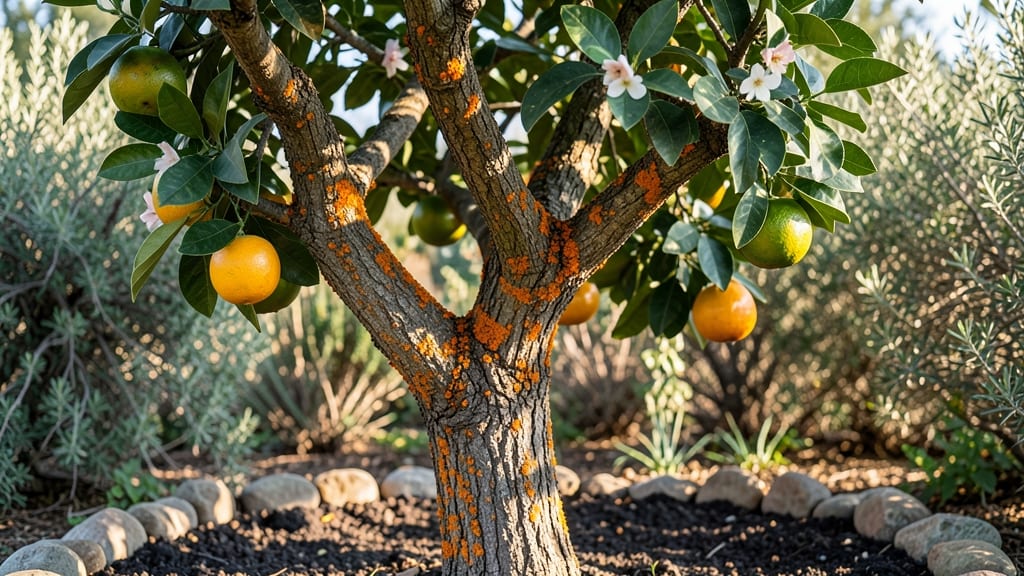
That bright orange gunk on your juniper bark isn't just unsightly—it's orange rust, a fungal infection that spreads fast if you ignore it. 🌿 I've seen it turn healthy trees into skeletal shadows within a season, but I've also cured it organically using just three simple steps that work without harsh chemicals.
The culprit? Tiny spores from Gymnosporangium fungi that hitch rides on wind and rain. They love junipers, apples, and hawthorns, and once they take hold, those telltale orange pustules appear by spring. The good news?
You can stop it before it spreads to your fruit trees with treatments that actually work. By the time you finish these three steps—cleaning, spraying, and monitoring—your tree will look like it did before the infection took hold.
The key is acting fast, before the spores mature and launch their next wave of attacks. This method works for backyard trees, orchards, and even those stubborn junipers lining your property. Let's get that bark back to its natural green and stop the rust in its tracks.
Understanding The Root Causes
Orange rust—technically a fungal disease—doesn’t just appear out of nowhere. It thrives due to a mix of environmental stress, poor tree health, and favorable conditions. Below, we break down the key triggers that turn your tree’s bark into a rust-colored battleground.
Orange rust (often caused by Gymnosporangium species) spreads via windborne spores. Here’s how it happens:
- Spores from Nearby Trees: Many rust fungi require two hosts—often juniper shrubs and fruit trees (like apple or hawthorn).
If infected junipers release spores in spring, they can travel miles and infect susceptible trees. - Warm, Moist Conditions: Spores germinate best in 60–75°F temperatures with high humidity (70%+).
Rain or morning dew creates the perfect moisture for spores to latch onto bark and leaves. - Seasonal Timing: Most infections peak in late spring to early summer, when new growth is tender and defenses are weak.
✨ Pro Tip: If you see rust pustules on junipers in your area, remove and destroy infected branches immediately to reduce spore spread.
A healthy tree can resist rust, but stress opens the door. Common weakening factors include:
- Nutrient Deficiencies: Low iron, zinc, or nitrogen reduces bark toughness, making it easier for spores to penetrate.
- Physical Damage: Sun scald, frost cracks, or pruning wounds create entry points for fungi.
- Overwatering or Drought: Both extremes stress trees. Overwatering keeps bark damp (inviting fungi), while drought weakens roots, reducing resistance.
- Poor Air Circulation: Dense foliage or crowded trees trap moisture, slowing evaporation and promoting fungal growth.
💡 Quick Fix: Test soil pH (ideal: 6.0–7.0) and fertilize with balanced, slow-release nutrients to boost immunity.
Rust fungi don’t just need spores—they need ideal weather to thrive. Key conditions:
| Factor | Why It Matters | How to Mitigate |
|---|---|---|
| Frequent Rain | Keeps bark wet for days, encouraging spore germination. | Improve drainage; avoid overhead watering. |
| High Humidity | Spores survive longer in moist air. | Prune for airflow; use fans in greenhouses. |
| Mild Winters | Fungi overwinter better in warm climates (e.g., Southern U.S.). | Remove infected debris before winter. |
| Sudden Temperature Shifts | Stress from cold snaps + warm spells weakens trees. | Mulch to regulate soil temps. |
🌡️ Warning Sign: If your area has back-to-back rainy weeks in spring, rust outbreaks are likely.
Sometimes, rust hitches a ride with other problems:
- Scale Insects or Aphids: These sap-suckers weaken trees, making them susceptible to fungal infections.
- Bark Beetles: Their tunnels create wounds where spores can enter.
- Birds or Animals: They may spread spores on their feathers or claws when moving between trees.
🔥 Action Step: Treat pest issues before rust appears—neem oil or horticultural oil can help deter insects.
Not all trees are equally at risk. Highly susceptible species include:
- Apple, pear, hawthorn, and crabapple (fruit trees)
- Juniper, cedar, and arborvitae (common alternate hosts)
- Young or newly planted trees (immature bark is thinner)
🎯 Prevention Tip: If you’re planting near junipers, choose rust-resistant varieties like ‘Skyrocket’ juniper or ‘Liberty’ apple trees.
Even gardeners can accidentally fuel rust outbreaks:
- Overhead Irrigation: Watering leaves/bark keeps them damp for days.
- Ignoring Pruning Cuts: Leaving jagged wounds invites infections.
- Planting Susceptible Trees Too Close: Poor spacing = more humidity = more rust.
⏰ Maintenance Checklist: ✅ Prune in dry weather (avoid spring). ✅ Space trees 6–10 feet apart for airflow. ✅ Water at the base, not the foliage.
How to Treat and Prevent Tree Bark Fungus
Once you’ve identified the orange rust (likely Gymnosporangium or Puccinia spores) on your tree bark, acting quickly can save your plant from further damage. Below are targeted solutions based on the most common causes—fungal infection, environmental stress, or poor tree health—and simple prevention tips to keep your trees thriving.
Before treating, prune out affected branches to stop the spread. Use clean, sharp pruners (disinfect with rubbing alcohol between cuts) and remove:
- 🍳 Branches with orange pustules (cut 2–3 inches below the last visible lesion).
- 👨🍳 Dead or weakened wood (fungus thrives in decaying tissue).
- ⏰ Do this in dry weather—wet conditions can spread spores.
Pro Tip: 💡 Bag and dispose of infected branches in the trash (not compost)—don’t let spores linger in your yard!
For a natural, chemical-free fix, use these DIY sprays every 7–10 days until symptoms fade:
| Cause | Solution | How to Apply |
|---|---|---|
| Fungal spores (orange rust) |
|
|
| Environmental stress (drought, poor drainage) |
|
|
| Weak tree health (nutrient deficiency) |
|
|
Stop rust from returning with these low-effort habits:
- 🌡️ Monitor humidity: Fungus loves dampness—improve airflow by pruning dense branches.
- 🎯 Clean tools: Sterilize pruners after each use to avoid cross-contamination.
- ✨ Plant resistant varieties: Some trees (e.g., Crataegus hawthorns) are less prone to rust.
- 💡 Inspect regularly: Check bark and leaves monthly during growing season.
Warning: 🚨 If rust spreads to multiple trees or fruit crops, consult a local arborist—some strains require professional treatment.
Frequently asked questions
What do orange pustules on tree bark actually look like?
The orange rust spores appear as tiny, powdery, bright orange-yellow pustules that erupt through the bark or leaves in spring. They often look like tiny blisters filled with dust when mature. In wet conditions, they may appear slimy or gelatinous before drying into the characteristic orange powder.
Can orange rust kill my tree?
While it rarely kills mature trees outright, severe infections can weaken them over time by reducing photosynthesis and nutrient flow. Young or stressed trees are most at risk. The real danger is the spread to nearby fruit trees (like apples or pears), which can suffer yield loss and fruit quality decline.
How often should I spray neem oil for orange rust?
Apply neem oil spray every 7-10 days during active growth (spring to early summer) until new growth appears healthy. Mix 1 tablespoon neem oil + 1 teaspoon mild soap per quart of water, and always spray undersides of leaves where spores hide. Stop treatments when temperatures exceed 90°F.
Will removing infected juniper bushes stop orange rust?
Partially—juniper bushes are common alternate hosts, so removing them reduces spore production. However, spores can travel miles on wind, so complete elimination isn't guaranteed. Focus instead on treating your primary trees with fungicides and improving airflow around them to break the infection cycle.
Is orange rust the same as cedar apple rust?
Yes! They're caused by the same Gymnosporangium fungi family. Cedar-apple rust affects apples, crabapples, and hawthorns, while juniper rust targets juniper, cedar, and arborvitae. The orange pustules look identical, but their host plants differ. The treatment methods are the same for both.